Lawn Care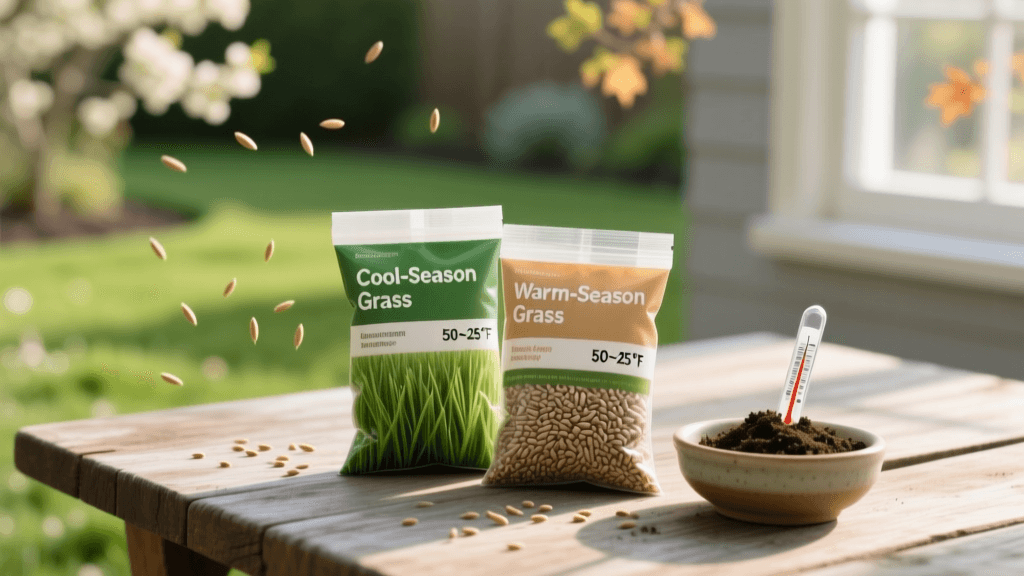
Overseeding Timing: When to Plant Cool and Warm-Season Grass
The Science of Seasonal Timing: Why It Matters
When it comes to lawn care, timing is not just a suggestion; it is the absolute foundation of successful seed germination and long-term turf health. Overseeding—the process of planting new grass seed directly into existing turf without tearing up the soil—is one of the most effective ways to fill in bare spots, improve lawn density, and introduce improved grass varieties. However, throwing seed onto your lawn at the wrong time of year is a quick way to waste money and effort. Grass seeds require specific soil temperatures, moisture levels, and daylight conditions to break dormancy and establish strong root systems before extreme weather sets in.
According to turfgrass researchers at the University of Minnesota Extension, the primary reason overseeding fails is improper seasonal timing. Homeowners often rely on air temperature rather than soil temperature, or they attempt to plant cool-season grasses during the heat of summer or warm-season grasses during the chill of early spring. To achieve a lush, thick lawn, you must align your planting schedule with the natural growth cycles of your specific grass type. This guide breaks down the exact seasonal timing, soil temperature thresholds, and actionable planting schedules for both cool-season and warm-season turfgrasses.
Cool-Season Grass Overseeding Schedule
Cool-season grasses—such as Tall Fescue, Kentucky Bluegrass, and Perennial Ryegrass—thrive in regions with freezing winters and moderate summers. These grasses experience their most vigorous growth spurts during the cool days of spring and fall. While spring might seem like a logical time to plant, the absolute best window for overseeding cool-season lawns is late summer to early fall.
The Fall Advantage
Why is fall superior to spring for cool-season grasses? First, the soil is still warm from the summer sun, which drastically speeds up seed germination. Second, the air temperatures are cooling down, reducing heat stress on tender new seedlings. Third, fall typically brings more consistent rainfall and fewer competitive weeds, giving your new grass a monopoly on water and nutrients. Finally, planting in the fall gives the grass two distinct growing seasons (fall and the following spring) to establish deep roots before facing the brutal stress of summer heat.
- Ideal Soil Temperature: 50°F to 65°F (measured at a 2-inch depth).
- Ideal Air Temperature: 60°F to 75°F during the day.
- Target Window: Late August through mid-October, depending on your hardiness zone.
- The Frost Rule: Aim to overseed at least 45 to 60 days before your region's average first hard frost date. This ensures the seedlings have enough time to mature and withstand freezing temperatures.
Warm-Season Grass Overseeding Schedule
Warm-season grasses—including Bermudagrass, Zoysia, Centipedegrass, and St. Augustine (usually planted via sod or plugs)—dominate the southern and transitional zones. These grasses love the heat, go dormant and turn brown in the winter, and experience peak growth during the hottest months of the year. Therefore, their overseeding schedule is the exact opposite of cool-season varieties.
Capitalizing on the Summer Heat
Warm-season grass seeds require significant thermal energy to germinate. If planted too early in the spring when the soil is still cold and damp, the seeds will likely rot in the ground or be eaten by birds before they ever sprout. You must wait until the threat of spring frost has completely passed and the soil has thoroughly warmed up. Texas A&M AgriLife Extension emphasizes that warm-season turf requires consistent warmth to trigger the enzymatic processes necessary for germination and early root development.
- Ideal Soil Temperature: 65°F to 70°F (measured at a 2-inch depth).
- Ideal Air Temperature: 80°F to 95°F during the day.
- Target Window: Late May through early July.
- The Frost Rule: Wait until at least 90 days have passed since your region's last spring frost, ensuring the grass has the entire summer to establish before winter dormancy.
Seasonal Overseeding Comparison Chart
Use the table below as a quick-reference guide to ensure you are applying the correct seed at the correct time, with the proper application rates.
| Grass Type | Classification | Ideal Soil Temp | Best Planting Window | Overseeding Rate (per 1,000 sq ft) |
|---|---|---|---|---|
| Tall Fescue | Cool-Season | 50°F - 65°F | Late Aug - Mid Oct | 8 - 10 lbs |
| Kentucky Bluegrass | Cool-Season | 50°F - 60°F | Late Aug - Mid Sept | 1 - 2 lbs |
| Perennial Ryegrass | Cool-Season | 50°F - 65°F | Late Aug - Mid Oct | 5 - 7 lbs |
| Bermudagrass | Warm-Season | 65°F - 70°F | Late May - Early July | 1 - 2 lbs (hulled) |
| Zoysiagrass | Warm-Season | 65°F - 70°F | Late May - June | 2 - 3 lbs |
The Exception: Winter Overseeding for Warm-Season Lawns
There is one major exception to the seasonal rules outlined above: winter overseeding. In the deep South and Southwest, homeowners with warm-season lawns (like Bermudagrass) often overseed with a cool-season grass, typically Perennial Ryegrass, in the early fall (October). The goal is not to permanently establish the ryegrass, but to provide a vibrant, green lawn during the winter months when the Bermudagrass goes dormant and turns brown. As the following summer approaches and temperatures rise, the ryegrass naturally dies out, allowing the Bermudagrass to green up and resume its growth cycle. If you are winter overseeding, treat your planting schedule exactly like a cool-season fall overseeding project.
Step-by-Step Seasonal Preparation and Planting
Knowing when to plant is only half the battle. Proper site preparation ensures the seed makes direct contact with the soil, which is non-negotiable for germination. Follow these actionable steps during your targeted seasonal window.
Step 1: Soil Testing and Amendment
Before buying seed, purchase a soil test kit (typically $15-$30 from a local university extension office). This will reveal your soil's pH and nutrient deficiencies. Grass seed struggles to germinate in highly acidic or alkaline soil. Aim for a pH between 6.0 and 7.0. Apply pelletized lime to raise pH or elemental sulfur to lower it at least a few weeks before overseeding.
Step 2: Mowing and Core Aeration
Mow your existing lawn slightly lower than your normal maintenance height (about 1.5 to 2 inches) and bag the clippings. This prevents the thatch layer from blocking the seed from reaching the soil. Next, rent a core aerator ($70-$100 for a half-day rental) to pull thousands of small soil plugs from the ground. Core aeration relieves soil compaction, improves water infiltration, and creates perfect micro-environment pockets for your new seeds to settle into. Penn State Extension strongly recommends combining core aeration with overseeding to dramatically increase seed-to-soil contact and overall turf density.
Step 3: Seeding and Starter Fertilizer
Use a broadcast spreader to apply your seed at the rates specified in the chart above. For best coverage, split your seed in half and apply it in two perpendicular passes (one north-south, one east-west). Immediately follow up with a high-phosphorus starter fertilizer (such as a 10-18-10 NPK ratio). Phosphorus is critical for early root development. Note: Some states restrict phosphorus use on established lawns, but exemptions are almost always made when actively planting new seed. Check your local regulations.
Step 4: The Critical Watering Schedule
Grass seed must remain consistently moist until it germinates. If the seed dries out even once during the first two weeks, the sprouting embryo will die. Set your irrigation system to water lightly 2 to 3 times a day for 5-10 minutes per zone. You are not trying to soak the soil deeply; you are simply keeping the top half-inch of soil damp. Once the seedlings reach 2 inches tall, gradually reduce the frequency of watering but increase the duration to encourage deep root growth.
Common Timing Mistakes to Avoid
Even experienced homeowners fall victim to seasonal timing traps. Avoid these common mistakes to protect your investment:
- Planting Cool-Season Grass in Late Spring: If you plant Tall Fescue in May, the seedlings will sprout beautifully but will lack the root depth to survive the July and August heat waves. They will almost certainly die, leaving you with bare patches and wasted money.
- Planting Warm-Season Grass Too Early: Seeding Bermudagrass in April when the soil is still in the 50s will result in seed rot. The seed will sit in cold, wet soil and decompose before it ever has the thermal energy to germinate.
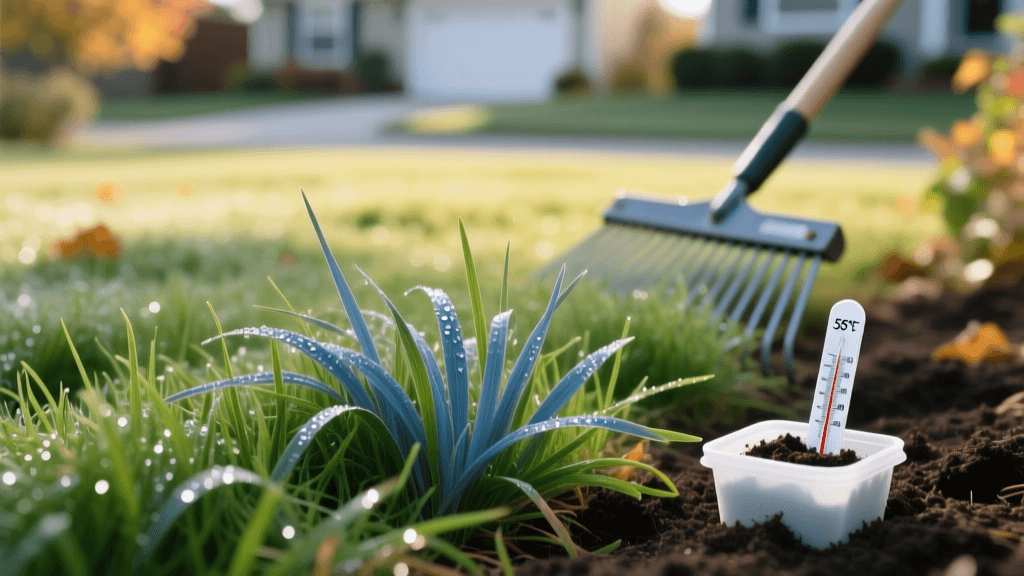
- Relying on Air Temperature: A sunny 75°F spring day does not mean the soil is warm. Soil retains winter cold much longer than the air retains heat. Always invest $15 in a basic soil probe thermometer and measure the temperature at a 2-inch depth before dropping any seed.
By respecting the biological clocks of cool-season and warm-season grasses, monitoring your soil temperatures, and executing a disciplined preparation routine, you can transform a thin, patchy lawn into a dense, resilient carpet of turf. Timing is your greatest ally in lawn care; use it to your advantage and let nature do the heavy lifting.