Gardening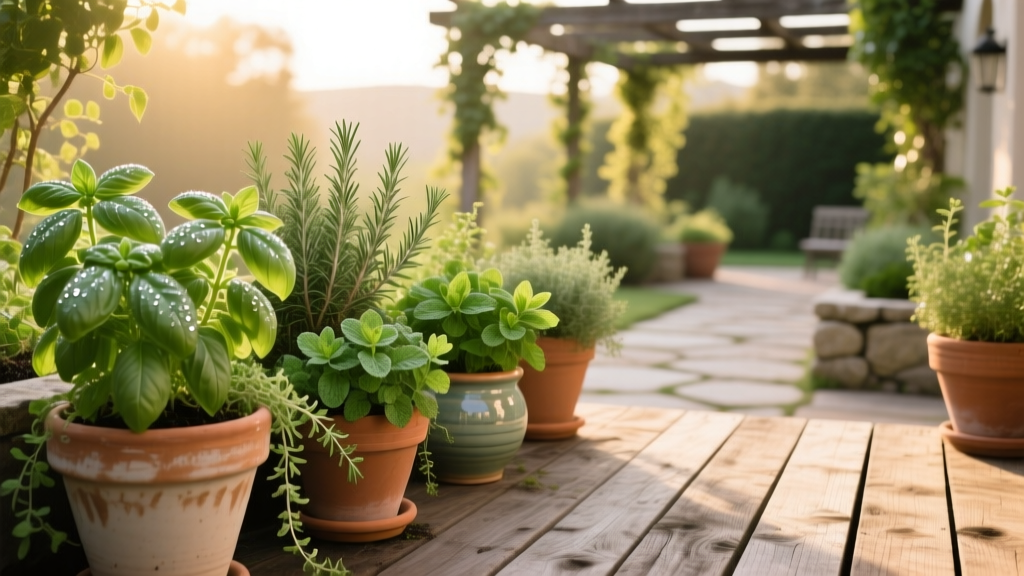
Design a Stunning Patio Herb Garden for Entertaining
Emily WatsonPublished
The Intersection of Curb Appeal and Culinary Function
When it comes to outdoor entertaining, the ambiance of your patio or deck is just as important as the menu you serve. While string lights and comfortable seating are essential, nothing elevates a gathering quite like a living, breathing garden space. By integrating a curated container herb garden into your outdoor entertaining areas, you achieve a dual purpose: boosting your home's curb appeal and providing fresh, aromatic garnishes for culinary creations and craft cocktails. This guide will walk you through designing, planting, and maintaining a patio herb garden that serves as both a stunning visual centerpiece and a functional tool for the ultimate host.
Curb appeal is often associated with front yard landscaping, but your backyard and patio spaces are the true extensions of your home's living area. According to the Royal Horticultural Society (RHS), integrating edible plants into ornamental spaces creates a dynamic, multi-sensory environment. When guests arrive, the sight of lush, vibrant greenery spilling over elegant planters immediately sets a welcoming tone. Furthermore, having fresh herbs within arm's reach of your outdoor kitchen or bar cart transforms the act of making a mojito or garnishing a grilled steak into an interactive, memorable experience for your guests.
Selecting the Right Containers for Your Space
The vessels you choose for your herbs dictate both the health of the plants and the aesthetic of your patio. For a modern curb appeal, consider large, geometric fiberglass planters in matte charcoal or navy. Fiberglass is lightweight, weather-resistant, and retains moisture well. If your home features a more rustic or Mediterranean architecture, opt for heavy glazed ceramic or traditional terracotta pots.
According to experts at the Old Farmer's Almanac, the most critical factor in container selection is drainage. Herbs despise 'wet feet,' and root rot will quickly ruin your party plans. Ensure every container has at least one large drainage hole. If you fall in love with a decorative pot that lacks drainage, use it as a 'cachepot' (an outer cover) and place a slightly smaller, functional plastic nursery pot inside. For deep-rooted woody herbs like rosemary and lavender, select containers that are at least 12 to 16 inches deep and equally as wide to accommodate their mature root systems.
The Entertainer’s Herb Roster
Not all herbs are created equal when it comes to hosting. You want a mix of robust culinary staples and delicate, aromatic garnishes. Below is a curated list of the best herbs for outdoor entertaining, complete with their specific needs and uses.
| Herb | Primary Entertaining Use | Sun Requirement | Watering Needs | Container Depth |
|---|---|---|---|---|
| Mint (Mentha spicata) | Mojitos, juleps, fruit salads | Partial to Full Sun | High (Keep moist) | 10-12 inches |
| Rosemary (Salvia rosmarinus) | Grilling skewers, smoking cocktails | Full Sun (6+ hrs) | Low (Dry between) | 14-16 inches |
| Basil (Ocimum basilicum) | Caprese salads, pesto, pizza | Full Sun (6+ hrs) | Moderate (Evenly moist) | 12 inches |
| Thyme (Thymus vulgaris) | Gin & tonics, roasted vegetables | Full Sun (6+ hrs) | Low (Dry between) | 8-10 inches |
| Lavender (Lavandula) | Lemonades, dessert garnishes | Full Sun (6+ hrs) | Low (Very well-drained) | 12-14 inches |
| Lemon Balm (Melissa officinalis) | Iced teas, sparkling water | Partial to Full Sun | Moderate | 10-12 inches |
A Note on Mint and Invasive Growers
As noted by the University of Minnesota Extension, mint is notoriously aggressive. Never plant mint in the ground or in a shared container with other herbs. It will quickly choke out its companions via underground runners. Always give mint its own dedicated pot to ensure it remains a manageable asset to your bar cart rather than a patio pest.
Soil Preparation: The Secret to Container Success
The soil you use in containers should never be scooped directly from your garden beds. Garden soil is too dense, compacts easily in pots, and restricts the oxygen flow that herb roots require. Instead, create a custom, high-draining potting mix. A reliable recipe for Mediterranean herbs (rosemary, thyme, lavender) is 60% high-quality commercial potting soil, 20% coarse perlite or pumice, and 20% compost. For moisture-loving herbs like mint and basil, increase the compost to 30% and reduce the perlite to 10%. This custom blend ensures that when you water your plants before a party, the excess drains away immediately, preventing fungal issues and preserving the structural integrity of the soil throughout the entertaining season.
Companion Planting for Pest Control and Aesthetics
When grouping containers, consider the natural pest-repellent properties of certain herbs. For example, planting lavender and rosemary near your outdoor dining perimeter can help deter mosquitoes and flies, making your evening gatherings much more comfortable. Additionally, interplanting trailing varieties like creeping thyme around the base of upright rosemary topiaries adds a lush, layered look that mimics high-end landscape design. This 'spiller and thriller' technique not only maximizes space but also shades the soil, reducing water evaporation during hot summer parties.
Designing for Visual Flow and Nighttime Entertaining
To maximize curb appeal, treat your herb containers as architectural elements. Flank your patio doors or the entrance to your outdoor dining area with symmetrical pairs of large, topiary-style rosemary or bay laurel trees in matching urns. This creates a formal, inviting threshold. For a more relaxed, bohemian vibe, group varying heights of terracotta pots in a clustered 'herb spiral' on a sunny corner of the deck.
Consider the transition from day to night. Outdoor entertaining often extends well into the evening. Place solar-powered, warm-white uplights at the base of your larger herb planters. The uplighting will cast dramatic, textured shadows of the herb foliage against your home's exterior or privacy fences, creating an intimate, high-end restaurant atmosphere right in your backyard.
Harvesting and Maintenance for the Perfect Party
A well-maintained herb garden looks lush and produces the best flavors. The Royal Horticultural Society (RHS) recommends regular 'pinching' of herbs like basil and mint. By pinching off the top growth just above a leaf node, you encourage the plant to branch out laterally, resulting in a bushier, more attractive plant and a higher yield of usable leaves. Never harvest more than one-third of the plant at a time, or you risk shocking it and leaving your garden looking bare just as guests arrive.
For the best flavor, harvest your herbs in the early morning after the dew has dried but before the heat of the day causes their essential oils to evaporate. Store them in a glass of water on the counter, or gently wrap them in a damp paper towel in the refrigerator until it is time to mix that first round of cocktails.
A garden is not just a place to grow food; it is a stage for life's most memorable gatherings. When your landscape serves your lifestyle, every meal becomes an event.
Conclusion
By thoughtfully selecting your containers, matching the right herbs to their preferred soil conditions, and designing your layout with both daytime aesthetics and nighttime ambiance in mind, you can create a patio herb garden that is the envy of every guest. It is an investment in your home's curb appeal and a commitment to elevating your outdoor entertaining to an art form. Start your container garden today, and prepare to impress at your next backyard gathering.
