Pest Control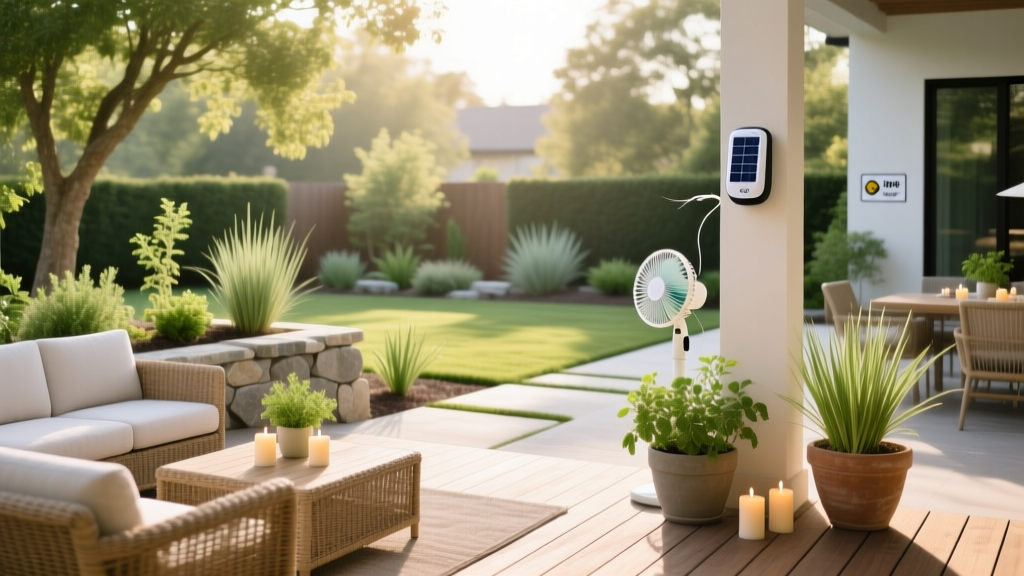
Patio Pest Control: Banish Mosquitoes For Entertaining
Mike RodriguezPublished
The Intersection of Curb Appeal and Pest Management
When homeowners invest in outdoor entertaining spaces, the focus is often on high-end patio furniture, gourmet grills, and lush landscaping. However, the most beautifully designed outdoor kitchen or fire pit lounge can quickly become unusable if the space is overrun by mosquitoes. True curb appeal extends beyond visual aesthetics; it encompasses the entire sensory experience of your outdoor environment. A yard that looks pristine but serves as a breeding ground for biting insects fails its primary purpose as an entertainment hub.
Mosquitoes are not just a nuisance; they are vectors for numerous diseases and can single-handedly ruin a summer barbecue or an elegant evening gathering. To maintain a premier outdoor entertaining space, homeowners must adopt an Integrated Pest Management (IPM) approach that seamlessly blends effective pest control with high-end landscaping principles. By addressing the root causes of mosquito proliferation and strategically deploying targeted treatments, you can protect your guests and preserve the visual integrity of your property.
Landscaping Modifications for a Mosquito-Free Zone
The foundation of any long-term mosquito control strategy is habitat modification. According to the Environmental Protection Agency (EPA), eliminating standing water and altering the landscape to reduce moisture retention are the most effective, environmentally sound methods for reducing mosquito populations. This aligns perfectly with high-end landscaping practices that prioritize proper drainage and plant health.
Grading and Drainage Solutions
Poor drainage is the enemy of both lawn health and pest control. Low-lying areas that collect water after a rainstorm become prime breeding grounds for mosquitoes. To correct this, ensure that your yard is graded at a minimum slope of 1/4 inch per foot away from your patio and home foundation. For areas where natural grading is insufficient, consider installing a French drain system. A professionally installed French drain typically costs between $20 and $30 per linear foot and involves a perforated pipe surrounded by gravel, hidden beneath a layer of topsoil and sod. This not only eliminates standing water but also prevents soil erosion, protecting your hardscaping investments.
Strategic Plant Selection and Maintenance
While many homeowners plant citronella, marigolds, or lavender hoping to repel mosquitoes, the reality is that these plants offer minimal protection unless their leaves are crushed and rubbed directly on the skin. Instead, focus on avoiding moisture-trapping plants. Bromeliads, for example, have central cups that hold water for weeks, creating perfect micro-breeding sites. If you love the tropical look of bromeliads, treat their water cups weekly with a biological larvicide. Additionally, keep shrubs and ornamental grasses pruned to allow sunlight and airflow to reach the soil surface, reducing the damp, shaded microclimates where adult mosquitoes rest during the heat of the day.
Comparing Mosquito Control Methods for Entertaining Spaces
When preparing your yard for guests, it is crucial to select the right control method based on efficacy, safety, and impact on your landscape. Below is a comparison of the most common mosquito control strategies utilized by landscaping and pest control professionals.
| Control Method | Active Ingredient | Estimated Cost | Duration of Effect | Best Use Case |
|---|---|---|---|---|
| Biological Larvicides | Bti (Bacillus thuringiensis israelensis) | $10 - $15 per 6-pack | 30 Days | Water features, birdbaths, French drain catch basins |
| Residual Barrier Sprays | Bifenthrin or Lambda-Cyhalothrin | $45 - $60 per 3/4 gallon | 21 - 30 Days | Perimeter shrubs, tall grasses, shaded resting areas |
| Botanical Sprays | Essential Oils (Garlic, Rosemary, Peppermint) | $30 - $50 per gallon | 7 - 14 Days | Organic gardens, areas with high pollinator traffic |
| Spatial Repellents | Allethrin or Metofluthrin | $80 device + $25 refills | 4 - 12 Hours per refill | Patio tables, seating areas, immediate guest zones |
For high-end entertaining spaces, a combination of Bti for water management and spatial repellents for the immediate patio area offers the best balance of safety, aesthetics, and efficacy without harming beneficial pollinators.
The Pre-Party Pest Control Timeline
Effective pest control requires foresight. You cannot simply spray a chemical an hour before guests arrive and expect a comfortable environment. Follow this actionable timeline to ensure your outdoor space is pristine and pest-free.
7 Days Before the Event: Habitat Assessment and Larvicide Application
Walk your entire property and inspect for standing water. Check clogged gutters, the saucers beneath potted plants, tarps, and children's toys. For water features that cannot be drained, such as koi ponds or decorative fountains, apply Bti dunks or bits. Products like Mosquito Dunks are highly specific to mosquito and black fly larvae and are completely safe for fish, birds, and pets. One standard dunk treats 100 square feet of surface water for a full 30 days. Break them into quarters for smaller water features like birdbaths.
3 Days Before the Event: Barrier Spray Application
If your property is heavily wooded or bordered by dense vegetation, adult mosquitoes will migrate into your yard at dusk. Three days prior to your event, apply a residual barrier spray to the foliage surrounding your entertaining area. A professional-grade concentrate containing Bifenthrin (such as Talstar P) can be mixed at a rate of 1 fluid ounce per gallon of water. Using a pump sprayer, treat the underside of leaves on shrubs, tall ornamental grasses, and the lower canopy of trees up to a height of 6 feet. This creates a lethal barrier for resting mosquitoes. Allow the spray to dry completely—usually about 2 hours—before allowing pets or children back into the treated zones.
The Day of the Party: Spatial Repellents and Airflow
On the day of your gathering, avoid spraying any aerosol insecticides, which can drift onto food and drinks. Instead, deploy spatial repellents. Devices like the Thermacell Radius or Patio Shield use heat to vaporize a repellent mat or liquid cartridge, creating a 15-foot zone of protection. Place one device on your dining table and another near your primary seating area. Turn them on 15 minutes before guests arrive to allow the vapor dome to establish.
Pro-Tip from the Pros: The Centers for Disease Control and Prevention (CDC) notes that mosquitoes are notoriously weak fliers. Strategically placing high-velocity outdoor ceiling fans or oscillating pedestal fans around your patio not only keeps guests cool but also creates a wind barrier that physically prevents mosquitoes from landing on your guests.
Hardscaping and Lighting Considerations
The materials and fixtures you choose for your outdoor space play a subtle but significant role in pest management. When designing or renovating a patio, opt for permeable pavers rather than solid concrete slabs. Permeable pavers allow rainwater to seep into the gravel base below, eliminating the surface puddles that form on uneven concrete. While the initial cost of permeable pavers is higher (averaging $10 to $15 per square foot installed compared to $8 for standard concrete), the long-term benefits for drainage and pest reduction are substantial.
Lighting is another critical factor. Traditional halogen and incandescent bulbs emit high levels of heat and ultraviolet light, which attract a wide variety of flying insects, including mosquitoes and the midges they feed on. Upgrade your outdoor entertaining lighting to warm-white LEDs with a color temperature of 2700K or lower. The American Mosquito Control Association and various entomological studies suggest that insects are far less attracted to the longer wavelengths of warm, yellow-hued light. Furthermore, LEDs emit virtually no heat, making your patio less of a thermal beacon to nocturnal pests.
Conclusion
Creating an elite outdoor entertaining space requires more than just comfortable furniture and a beautiful view; it demands a proactive, multi-layered approach to pest control. By integrating proper landscape grading, strategic plant selection, targeted biological larvicides, and modern spatial repellents, you can protect your guests from the discomfort and health risks associated with mosquitoes. Implementing these strategies not only ensures that your summer barbecues and evening gatherings are enjoyable but also enhances the overall curb appeal and functional value of your property. A truly beautiful yard is one that is meant to be lived in, comfortably and safely, from dawn until dusk.