
Landscaping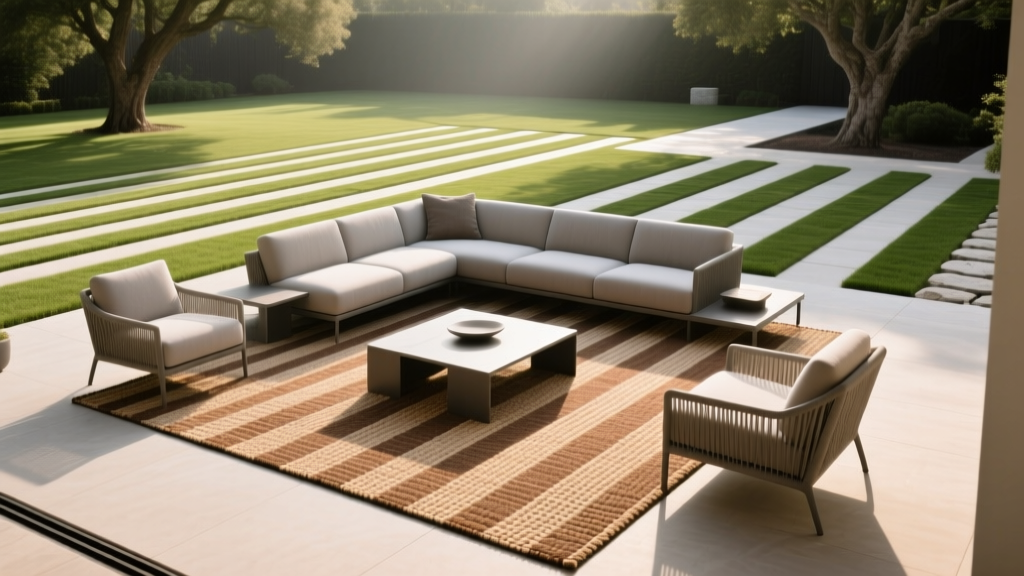
2026 Patio Makeover: Staging Rugs & Furniture With Lawn Stripes
David ParkPublished
The Intersection of Hardscape and Turf Art
As we navigate the 2026 outdoor living season, the boundary between the manicured lawn and the hardscaped patio is no longer just a physical edge; it is a canvas for deliberate visual design. Homeowners and landscape architects alike are moving away from treating the lawn and the patio as separate entities. Instead, the leading trend in high-end curb appeal involves using lawn striping and aesthetic mowing patterns to direct the eye seamlessly into the outdoor living space. When you are planning a patio makeover, the staging of your outdoor rug and furniture must be executed with the same geometric precision as your mower lines. A beautifully striped lawn can elevate a modest patio setup, while a poorly staged rug can completely disrupt the visual flow of your turf art.
The Visual Psychology of Stripes and Staging
Lawn striping is fundamentally an exercise in manipulating light and shadow. By bending the grass blades in alternating directions, you create contrasting bands that guide the viewer's gaze. According to turfgrass experts at the University of Nebraska-Lincoln Turfgrass Science program, the angle and depth of these stripes can alter the perceived dimensions of your entire yard. When staging a patio, you must decide whether your furniture and rug will act as a continuation of these lines or a deliberate contrast to them.
If your lawn features a classic checkerboard pattern, the high visual complexity of the turf demands a grounding element on the patio. In this scenario, your outdoor rug should serve as a visual 'rest stop' for the eyes. Conversely, if your lawn is striped in long, straight bands running perpendicular to the patio, these lines act as a runway, pulling the viewer directly toward your outdoor seating area. Your furniture arrangement must honor this vanishing point, ensuring that the primary seating faces the incoming stripes rather than blocking the pathway with the back of a sofa.
Choosing the Right 2026 Outdoor Rug to Complement Turf Lines
The outdoor rug is the critical transition zone between the softscape (grass) and the hardscape (patio). In 2026, the market is dominated by ultra-durable, sustainably sourced materials like recycled PET flatweaves and marine-grade polymer blends that resist mold and UV fading. However, the material is secondary to the pattern and scale when pairing it with lawn stripes.
Rule 1: Avoid Pattern Clashing
If you have invested the time to mow a complex diagonal or concentric circle pattern into your lawn, avoid outdoor rugs with bold geometric prints, chevrons, or heavy stripes. The competing lines will create a dizzying, chaotic effect. Instead, opt for solid-colored, textured rugs—such as a subtle herringbone weave or a tonal Moroccan trellis—that provide depth without introducing new, conflicting vectors.
Rule 2: The Border Alignment Technique
When placing the rug on the patio, consider the edge where the concrete or pavers meet the grass. The University of Minnesota Extension emphasizes the importance of clean edging for lawn health and aesthetics. To maintain this crisp line, your outdoor rug should either sit flush with the patio edge that borders the lawn, creating a seamless step-off from the grass, or be centered on the patio with an exact, mathematically equal border of exposed hardscape on all sides. Asymmetrical rug placement near a striped lawn will make the entire landscape look unbalanced.
Furniture Staging: Aligning with the Mower Lines
Once the rug is anchored, the placement of your 2026 modular outdoor sectionals, dining sets, and accent chairs must be finalized. The goal is to create a harmonious flow where the hardscape furniture respects the softscape geometry.
- Parallel Alignment: For lawns with horizontal striping (parallel to the house), arrange your primary sofa parallel to the stripes. This reinforces the sense of width and tranquility in the yard.
- Perpendicular Runways: If your stripes run from the house outward toward the patio, place two lounge chairs perpendicular to the stripes, acting as 'bookends' to the visual runway, with a central fire table anchoring the terminus of the lines.
- Elevated Sightlines: Choose low-profile aluminum or woven wicker furniture for 2026. High-backed patio chairs can sever the visual continuity of the lawn stripes when viewed from the second-story windows or the back porch. Keeping the furniture profile below the fence line and horizon ensures the striping remains the star of the show.
2026 Material & Pattern Pairing Matrix
To help you visualize the ideal combinations for your specific yard, refer to the staging matrix below. This guide pairs popular lawn striping techniques with the most complementary rug styles and furniture layouts.
| Lawn Stripe Pattern | Ideal Rug Style (2026 Trends) | Furniture Layout Strategy | Visual Effect |
|---|---|---|---|
| Classic Checkerboard | Solid Tonal Flatweave (e.g., Slate or Sand) | Centralized Conversation Pit | Grounds the complex turf; creates a calm, luxurious oasis. |
| Diagonal Diamonds | Subtle Organic Texture (e.g., Sisal-look PET) | Angled Seating (45-degree offset) | Dynamic and energetic; draws the eye toward the yard's corners. |
| Straight Bands (Outward) | Bordered Rug with Solid Center | Symmetrical Flanking Chairs | Formal and grand; creates a strong architectural focal point. |
| Concentric Circles | Round Outdoor Rug (Braided or Woven) | Circular Fire Pit Seating | Softens hardscape edges; promotes intimacy and gathering. |
Step-by-Step Execution for the Weekend Project
Achieving this cohesive look requires a methodical approach over a single weekend. Follow these steps to ensure your turf and patio staging are perfectly synchronized.
Step 1: Prep and Mow the Canvas
Begin by mowing the lawn at a slightly higher setting than usual (around 3 to 3.5 inches for cool-season grasses). Taller grass bends more easily, creating deeper, higher-contrast stripes. Use a dedicated lawn striper kit or a heavy roller attachment behind your mower. Map out your pattern using stakes and string before making the first pass, ensuring the primary lines point directly toward the center of your patio staging area.
Step 2: Anchor the Transition Rug
Sweep the patio thoroughly. Lay out your chosen outdoor rug, ensuring it is perfectly squared to the patio edges. If your patio is made of irregular flagstone, use a rug pad designed for outdoor hard surfaces to prevent slipping and to protect the stone. If the rug borders the grass line, ensure it does not overhang onto the turf, which can trap moisture and cause the grass edge to rot.
Step 3: Stage and Adjust the Furniture
Bring in your furniture pieces one by one. Start with the largest anchor piece (usually the sofa or dining table) and align it with your predetermined axis. Add accent chairs and side tables. Step back and view the arrangement from the primary vantage points: the back door, the second-floor window, and the far end of the yard. Adjust the pieces by inches until the edges of the furniture visually 'lock' into the lines of the lawn stripes.
Lighting and Shadows: Extending the Pattern into the Evening
The aesthetic relationship between your lawn stripes and patio furniture does not end at sunset. In 2026, smart-solar LED path lighting and low-voltage hardscape uplighting are essential tools for maintaining this visual flow. By placing low-glare pathway lights along the exact axis of your lawn stripes, you illuminate the alternating light and dark bands of the grass at night. Ensure that your patio furniture does not cast harsh, disruptive shadows across the lit stripes. Positioning floor lamps or integrating LED strip lighting under the lips of your patio steps will keep the transition zone brightly and evenly lit, preserving the geometric harmony of your landscape design well into the night.
Maintenance of the Transition Zone
Finally, maintaining the crisp edge where the striped lawn meets the patio rug is crucial. The National Association of Landscape Professionals frequently highlights that turf encroachment onto hardscapes ruins the clean lines necessary for aesthetic patterns. Use a half-moon edger or a motorized stick edger every two weeks to maintain a sharp, 2-inch trench between the grass and the patio. This trench not only stops grass rhizomes from invading your patio but also provides a perfect, straight guide for your mower wheels, ensuring your stripes remain perfectly aligned with your outdoor rug season after season.
By treating your lawn stripes and your patio staging as a single, unified design project, you elevate your outdoor space from a simple backyard to a masterclass in modern landscape architecture. The careful alignment of turf art, transitional textiles, and modular furniture ensures that your 2026 patio makeover will be the envy of the neighborhood.

