
Landscaping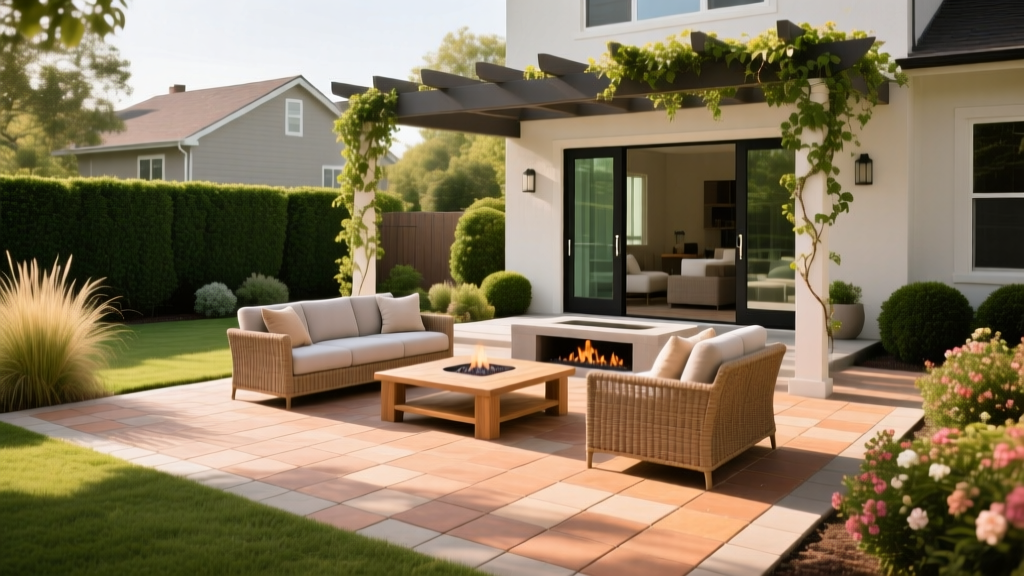
Designing a Paver Patio for Entertaining & Curb Appeal
James MillerPublished
The Intersection of Curb Appeal and Outdoor Entertaining
When homeowners think about boosting curb appeal, they typically focus on the front yard: a lush green lawn, freshly mulched garden beds, and a vibrant front door. However, the modern real estate market and contemporary lifestyle trends have shifted the spotlight to the backyard. Today, outdoor entertaining spaces are not just a luxury; they are a vital extension of your home's living area. Designing a paver patio that seamlessly blends stunning curb appeal with top-tier functionality for entertaining is one of the smartest investments you can make in your landscape.
According to the National Association of Realtors' Remodeling Impact Report, outdoor living spaces like patios and fire pits consistently rank among the top projects for homeowners' joy and cost recovery. A well-executed paver patio can yield a return on investment (ROI) of up to 100% or more, making it a financial no-brainer while providing years of weekend barbecues and evening gatherings.
Choosing the Right Paver Material
The foundation of any great patio is the material you choose. Pavers offer unparalleled versatility compared to poured concrete, allowing for intricate patterns, easy repairs, and superior drainage. Here is a comparison of the most popular paver materials for high-end entertaining spaces:
| Material | Average Cost (per sq. ft.) | Durability | Maintenance | Best For |
|---|---|---|---|---|
| Concrete Pavers | $3 - $8 | High | Low (Seal every 2-3 years) | Versatile designs, budget-conscious elegance |
| Clay Brick | $6 - $12 | Very High | Medium (May fade or moss) | Classic, traditional curb appeal |
| Natural Stone (Flagstone/Bluestone) | $15 - $30+ | Extremely High | Low | Luxury estates, organic high-end aesthetics |
| Porcelain Pavers | $10 - $20 | Extremely High | Very Low (Stain resistant) | Modern designs, high-traffic dining areas |
For the ultimate entertaining space, consider mixing materials. A popular design trend is using large-format porcelain pavers for the main dining area to ensure furniture sits flat, framed by a classic clay brick soldier course border to add texture and traditional curb appeal.
Sizing and Layout: Planning for the Perfect Gathering
A common mistake in landscape design is underestimating the footprint required for comfortable entertaining. A cramped patio kills the vibe of any outdoor party. To ensure your space is functional, follow these industry-standard measurements:
- The 25-Square-Foot Rule: Allocate at least 25 square feet per person for standing and mingling areas.
- Dining Zones: A standard 6-person patio dining set requires a minimum clear space of 10 feet by 12 feet. This allows enough room to pull out chairs without stepping off the edge of the patio.
- Fire Pit Lounging: If you are incorporating a gas or wood-burning fire pit, plan for a circular or square seating area with a minimum diameter of 12 feet. This ensures safe clearance from the flames while keeping the conversation intimate.
- Transition Pathways: Ensure pathways connecting the patio to the back door or garden are at least 4 feet wide, allowing two guests to walk side-by-side comfortably.
Site Preparation: The Secret to a Lasting Patio
The visible pavers are only 10% of the project; the base is the other 90%. A poorly prepared base will lead to settling, pooling water, and frost heave, completely ruining your curb appeal within a few seasons. Proper drainage is critical not just for the patio's lifespan, but for protecting your home's foundation.
According to experts at the University of Minnesota Extension, proper yard grading is essential to direct water away from structures. When installing your patio, you must maintain a minimum slope of 1/8 inch per foot away from your home's foundation.
The Ideal Base Profile
- Excavation: Dig down 7 to 9 inches below your desired finished height.
- Geotextile Fabric: Lay down a non-woven landscape fabric to prevent the base from mixing with the native soil.
- Aggregate Base: Add 4 to 6 inches of 3/4-inch crushed angular gravel (often called CR-6 or crushed stone). Compact this in 2-inch lifts using a mechanical plate compactor until it is rock solid.
- Bedding Sand: Spread exactly 1 inch of coarse, sharp concrete sand over the base. Do not use mason sand or play sand, as they retain too much moisture.
For an eco-friendly approach that drastically reduces runoff and prevents localized flooding, consider using permeable pavers. The Environmental Protection Agency (EPA) highlights permeable pavements as a premier green infrastructure technique that allows stormwater to infiltrate through the joints and filter naturally into the underlying soil, reducing the burden on municipal storm drains.
Hardscaping Details that Elevate Curb Appeal
To take your patio from a basic slab to a high-end outdoor living room, incorporate these premium hardscaping details:
- Edge Restraints and Borders: Never rely solely on hidden plastic edging. Create a visual border using a contrasting paver color or a natural stone coping. A soldier course (pavers laid end-to-end in a straight line) provides a crisp, military-precision edge that screams high-end craftsmanship.
- Jointing Sand: Sweep polymeric sand into the joints and mist it with water. Polymeric sand hardens like mortar, preventing weed growth and stopping ants from excavating your patio base, keeping the surface pristine for your guests.
- Low-Voltage Lighting: Curb appeal does not disappear when the sun goes down. Install brass or copper low-voltage LED hardscape lights under the lip of your seating walls or stair risers. Use warm-white bulbs (2700K to 3000K) to create an inviting, upscale ambiance for evening entertaining.
Softscaping the Perimeter: Blending Hardscape into Nature
A patio floating in the middle of a barren lawn looks disconnected and uninviting. To maximize curb appeal, you must soften the hardscape edges with strategic softscaping. Create curved planting beds that wrap around the perimeter of the patio, utilizing a mix of textures and heights.
Pro Tip: Use the 'Thriller, Filler, Spiller' concept in your perimeter beds. Plant a tall ornamental grass (Thriller) for privacy, mid-height hydrangeas or boxwoods (Filler) for structure, and creeping thyme or sweet alyssum (Spiller) to cascade softly over the paver edges, blurring the harsh line between stone and soil.
Additionally, incorporate large, weather-resistant ceramic or fiberglass planters directly on the patio corners. Filled with vibrant, seasonal annuals or dwarf evergreens, these planters act as architectural pillars that frame your entertaining space and draw the eye from the house out into the landscape.
Final Thoughts on Outdoor Entertaining Spaces
Designing a paver patio is an exercise in balancing form and function. By selecting premium materials, adhering to strict sizing and base-preparation guidelines, and framing the space with thoughtful lighting and softscaping, you create an outdoor oasis that wows guests and appraisers alike. Your backyard will transform from a simple patch of grass into the neighborhood's premier destination for outdoor entertaining, all while significantly boosting your property's overall curb appeal and market value.

