
Landscaping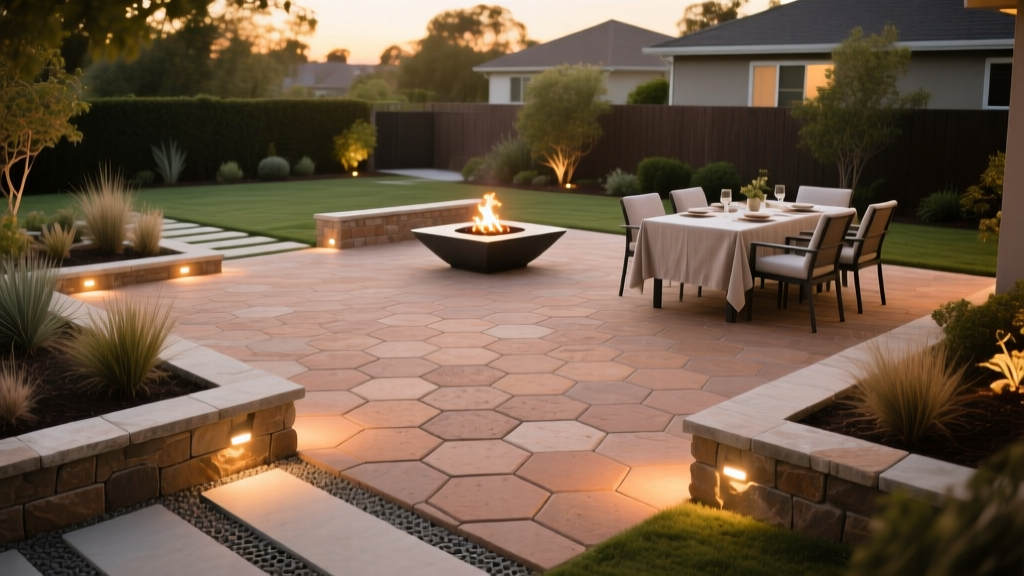
Designing a Paver Patio for Entertaining and Curb Appeal
Mike RodriguezPublished
Planning Your Patio Layout for Flow and Visual Appeal
When designing an outdoor living space, homeowners often focus strictly on functionality for backyard entertaining. However, a truly masterful landscape design bridges the gap between private enjoyment and public presentation. A well-designed paver patio not only serves as the ultimate hub for weekend barbecues and evening gatherings but also significantly elevates your property's curb appeal. Whether your patio is visible from the street or connected to a sprawling front-yard entertainment space, the layout dictates both flow and visual impact.
To properly size your patio for entertaining, landscape architects generally recommend allocating at least 25 square feet per person for comfortable mingling and dining. For a standard gathering of eight to ten guests, a minimum footprint of 200 to 250 square feet is ideal. If you plan to incorporate distinct zones—such as a dining area under a pergola and a separate fire pit lounge—you will need to expand the footprint to 400 square feet or more. Use the 'rule of thirds' to balance the hardscape with the surrounding softscape, ensuring the patio does not overwhelm the yard. From a curb appeal perspective, ensure the patio's geometric lines complement the architectural angles of your home. Curved, organic edges work beautifully for rustic or traditional homes, while crisp, linear patterns with large-format pavers suit modern and contemporary facades.
Choosing the Right Pavers for Durability and Style
The material you select will define the aesthetic of your outdoor space and dictate long-term maintenance requirements. According to the Interlocking Concrete Pavement Institute (ICPI), concrete pavers remain the industry standard due to their immense compressive strength, which typically exceeds 8,000 psi, making them far more durable than poured concrete. However, natural stone and permeable options are gaining traction among eco-conscious homeowners looking to maximize landscape sustainability and curb appeal.
| Material | Cost per Sq Ft (Installed) | Durability | Maintenance | Curb Appeal Factor |
|---|---|---|---|---|
| Concrete Pavers | $10 - $18 | High | Low | Versatile; available in countless colors and textures to match home exteriors. |
| Natural Flagstone | $20 - $35 | Very High | Medium | Premium, rustic elegance; unique pieces create a high-end custom look. |
| Permeable Pavers | $15 - $25 | High | Medium | Eco-friendly; reduces runoff and prevents puddling, keeping the surface pristine. |
For maximum curb appeal, consider a border or inlay using a contrasting color or texture. A dark charcoal border framing a light tan field paver creates a custom, tailored look that mimics the effect of an indoor area rug, instantly signaling high-end craftsmanship to visitors and potential buyers.
Integrating Low-Voltage Lighting for Evening Entertaining
A patio is only as inviting as its lighting allows it to be after sunset. Low-voltage LED landscape lighting is crucial for both safety during evening entertaining and dramatic curb appeal. When selecting fixtures, always opt for a warm color temperature between 2700K and 3000K. This range mimics the warm glow of traditional halogen or incandescent bulbs, creating an intimate atmosphere that harsh, cool-white LEDs (4000K+) simply cannot achieve.
Strategic placement is key to a professional lighting design:
- Hardscape Lighting: Install low-profile LED strip lights beneath the lip of built-in seating walls or retaining wall caps. This provides subtle, glare-free illumination that defines the patio's perimeter and prevents tripping hazards without blinding your guests.
- Path and Step Lights: Guide visitors from the driveway or front walkway to the backyard entertaining space using staggered path lights. This not only ensures safe footing but also creates a welcoming, luxurious approach that drastically boosts nighttime curb appeal.
- Uplighting for Focal Points: Place well lights at the base of mature specimen trees or architectural features bordering the patio. Aim the beam upward into the canopy to create dramatic shadows and depth, expanding the perceived boundaries of your outdoor room.
Always use a multi-tap transformer to account for voltage drop over long wire runs, ensuring that the fixture furthest from the power source receives at least 10.5 volts for optimal performance and longevity.
Framing the Space: Garden Borders that Elevate Curb Appeal
Hardscaping without softscaping feels sterile and unfinished. To soften the rigid edges of your paver patio and integrate it seamlessly into the surrounding landscape, you must install thoughtfully designed garden borders. These planting beds act as a transitional zone that boosts curb appeal by adding color, texture, and vertical interest.
When selecting plants for patio borders, prioritize species that offer multi-season interest and do not drop excessive debris onto your entertaining space. Here are three top-tier recommendations for framing your patio:
- 'Green Velvet' Boxwood (Buxus x 'Green Velvet'): This evergreen shrub provides year-round structure and a formal, manicured look. It can be sheared into tight hedges or left to grow in its natural, rounded form. It is highly tolerant of urban conditions and provides a lush, dark green backdrop that makes colorful patio furniture pop.
- 'Karl Foerster' Feather Reed Grass (Calamagrostis x acutiflora): Ornamental grasses introduce movement and sound to the landscape. As the evening breeze rolls through the patio, the feathery plumes of this grass sway gracefully, creating a relaxing ambiance. It is drought-tolerant, deer-resistant, and provides striking vertical architecture even in the dead of winter.
- Hydrangea paniculata 'Limelight': For a burst of late-summer color, this panicle hydrangea is unmatched. Its massive, lime-green flower heads age to a rich pink in the fall. Unlike mophead hydrangeas, the paniculata varieties thrive in full sun and are incredibly hardy, making them perfect for bordering a sun-drenched entertaining space.
To maintain a clean edge between the pavers and the garden bed, install heavy-duty aluminum or steel landscape edging. Avoid cheap plastic edging, which tends to warp and heave during freeze-thaw cycles, ultimately detracting from your home's curb appeal.
Sustainable Base Preparation and Drainage
The secret to a patio that survives decades of harsh weather and heavy entertaining foot traffic lies entirely beneath the surface. Proper base preparation and drainage are non-negotiable. A poorly constructed base will lead to settling, pooling water, and heaving pavers, which will rapidly destroy both the functionality of your entertaining space and the aesthetic curb appeal of your property.
For a standard pedestrian patio, you must excavate to a depth of 7 to 9 inches. The Environmental Protection Agency (EPA) highly recommends incorporating sustainable drainage solutions, such as permeable paver systems, to manage stormwater runoff and reduce the burden on municipal sewer systems. If you opt for a permeable system, your base will require deeper excavation to accommodate a reservoir of clean, open-graded crushed stone that allows water to infiltrate the soil below.
Follow these essential steps for a bulletproof patio base:
- Subgrade Compaction: After excavating, compact the native soil using a vibratory plate compactor. This prevents future settling.
- Geotextile Fabric: Lay down a layer of non-woven geotextile fabric over the subgrade. This crucial step separates the native clay or silt from your aggregate base, preventing the base material from sinking into the mud over time.
- Aggregate Base: Add a 4 to 6-inch layer of crushed angular stone (typically 3/4-inch minus gravel). Compact this layer in 2-inch lifts (layers) to achieve maximum density.
- Bedding Sand: Spread a uniform 1-inch layer of coarse, concrete sand over the compacted base. Use steel pipes as screed guides to ensure a perfectly level surface before laying the pavers.
- Edge Restraint and Joint Sand: Secure the perimeter with heavy-duty plastic or aluminum edge restraints, anchored with 10-inch steel spikes every 12 inches. Finally, sweep polymeric sand into the joints and activate it with a fine mist of water. Polymeric sand hardens like mortar, preventing weed growth and insect infiltration while locking the pavers tightly together.
By prioritizing sustainable drainage and rigorous base preparation, you ensure that your patio remains perfectly level and puddle-free. According to the EPA WaterSense program, integrating smart landscape design that manages water efficiently not only conserves vital resources but also protects your hardscape investment from water damage and erosion.
Conclusion
Designing a paver patio is a transformative landscaping project that pays dividends in both lifestyle enjoyment and property value. By carefully planning your layout, selecting high-quality materials, integrating warm low-voltage lighting, and framing the space with vibrant, structured garden borders, you create an outdoor entertaining oasis that is the envy of the neighborhood. When you couple this aesthetic vision with rigorous, sustainable base preparation, your patio will remain a stunning, functional focal point of your home's curb appeal for decades to come.

