Home & Garden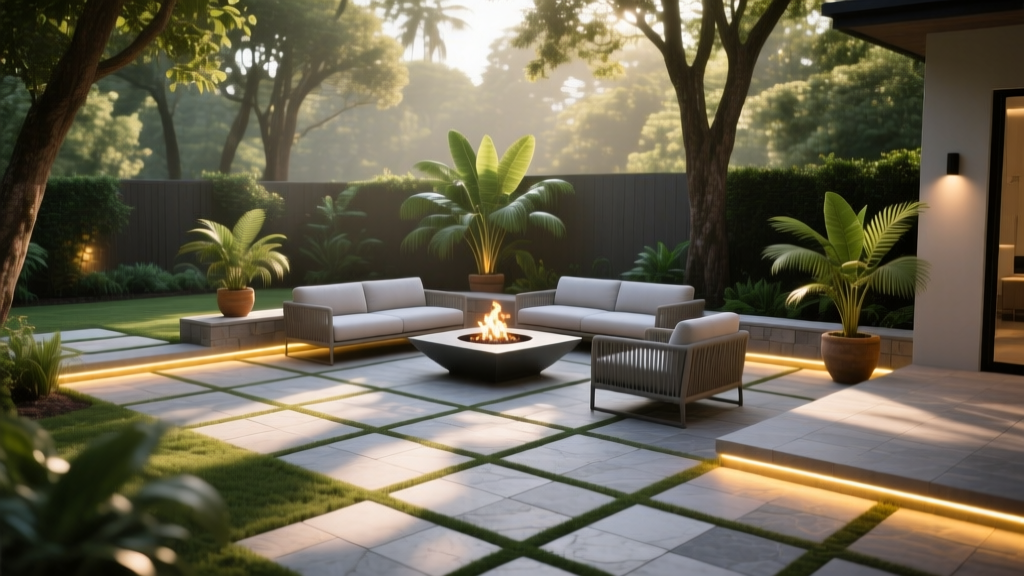
Designing a Paver Patio and Lighting for Outdoor Entertaining
James MillerPublished
The Intersection of Curb Appeal and Outdoor Entertaining
When homeowners think of curb appeal, they often picture lush front lawns, vibrant flower beds, and a freshly painted front door. However, modern landscape design has expanded the definition of curb appeal to include how a home functions for outdoor entertaining. Bridging the gap between indoor comfort and outdoor living requires a strategic approach to hardscaping and illumination. A beautifully designed paver patio, accented with professional-grade landscape lighting, not only provides a luxurious space for hosting guests but also significantly elevates the overall aesthetic and monetary value of your property.
Whether you are planning an intimate garden-to-table dinner party featuring fresh herbs from your backyard, or a large summer barbecue, your outdoor space must be both functional and visually striking. In this comprehensive guide, we will explore how to select the right materials, design an efficient layout, and integrate smart lighting to create an entertainer's paradise that boosts your home's curb appeal from day to night.
The Foundation: Base Preparation and Paver Selection
The longevity and visual appeal of your patio depend entirely on what lies beneath the surface. A common mistake in DIY patio installations is skimping on the base preparation. For a durable paver patio that can withstand the weight of heavy outdoor furniture, a built-in grill island, and dozens of guests, you must excavate the area to a depth of 8 to 10 inches.
The ideal base consists of 6 inches of 3/4-inch crushed angular gravel, compacted in 2-inch lifts using a mechanical plate compactor. This ensures proper drainage and prevents frost heave in colder climates. Above the gravel, a 1-inch layer of coarse, sharp concrete sand is screeded perfectly level to provide a bedding layer for the pavers.
Choosing the Right Paver Material
The material you choose will dictate the tone of your entertaining space and significantly impact your budget. Below is a comparison of the most popular paver materials used in high-end landscape design:
| Material | Cost per Sq. Ft. | Durability | Maintenance Level | Best Application |
|---|---|---|---|---|
| Concrete Pavers | $4 - $12 | High | Low | Versatile, modern, and classic designs |
| Clay Brick | $6 - $15 | Very High | Medium | Traditional, historic, or rustic homes |
| Natural Stone (Flagstone) | $10 - $25 | Extremely High | High | Organic, high-end luxury landscapes |
| Permeable Pavers | $8 - $18 | High | Medium | Eco-friendly builds, poor drainage areas |
For a contemporary entertaining space, large-format concrete pavers (such as 24x24 inch slabs) offer a sleek, seamless look that mimics indoor tile flooring. If your home features traditional architecture, tumbled clay brick provides a timeless elegance that ages beautifully and develops a rich patina over time.
Designing the Layout for Flow and Function
An entertainer's patio must accommodate distinct zones for cooking, dining, and lounging without feeling cluttered. When mapping out your space, adhere to these standard landscape architecture measurements:
- Dining Zone: Allocate a minimum of 12x16 feet for a standard dining table and chairs. This allows enough clearance for guests to pull out their chairs and walk behind seated diners without stepping off the patio edge.
- Cooking Zone: If you are installing an outdoor kitchen or a heavy ceramic grill (like a Big Green Egg), dedicate a 10x10 foot area with non-combustible porcelain pavers or natural stone to protect against grease stains and heat damage.
- Conversation Zone: A circular fire pit area requires a minimum diameter of 15 feet to comfortably fit Adirondack chairs and maintain a safe 3-foot clearance from the flames.
- Walkways: Connect these zones with primary pathways that are at least 48 inches wide, allowing two guests to walk side-by-side comfortably while carrying plates or drinks.
Consider the transition from your indoor kitchen to your outdoor dining area. Wide, multi-panel sliding glass doors or a seamless threshold will blur the lines between indoors and outdoors, making your home feel substantially larger when hosting large gatherings.
Landscape Lighting: Setting the Mood and Enhancing Safety
A patio is only as good as its ambiance, and lighting is the most critical element in setting the mood for evening entertaining. Relying solely on a single overhead floodlight creates harsh shadows and destroys the intimate atmosphere required for a great dinner party. Instead, employ a layered lighting design using a low-voltage (12V) LED system.
Lighting Zones and Fixture Types
- Path and Step Lights: Use these to guide guests safely from the driveway or side gate to the patio. Opt for fixtures with shielded caps that direct light downward to prevent glare.
- Hardscape Uplighting: Install linear LED strip lights beneath the lips of built-in seating walls or grill counters. This provides a sophisticated, modern glow that highlights the texture of your pavers and stone veneers.
- Tree Downlighting (Moonlighting): Mount fixtures high in the canopy of surrounding shade trees, pointing downward through the branches. This mimics the effect of natural moonlight, casting beautiful, dappled shadows across your dining table.
When selecting bulbs, stick to a warm color temperature between 2700K and 3000K. This range is universally flattering for skin tones and creates a cozy, inviting environment. The U.S. Department of Energy recommends utilizing LED fixtures with built-in dusk-to-dawn sensors or smart timers to minimize energy waste while maintaining security and ambiance. Furthermore, when purchasing fixtures, look for the ENERGY STAR certification, which ensures the fixtures meet strict efficiency guidelines and are properly rated for wet and damp outdoor locations.
Smart Home Integration for Seamless Entertaining
To truly bridge the gap between indoor convenience and outdoor living, integrate your landscape lighting and irrigation into your smart home ecosystem. Modern outdoor transformers, such as the Kichler Connect or FX Luminaire smart controllers, allow you to adjust lighting zones directly from your smartphone or via voice commands through Amazon Alexa and Google Home.
Imagine the convenience of hosting a garden-to-table dinner party: as the sun sets, your smart home automatically dims the patio perimeter lights to 60% brightness, turns on the warm uplighting in the surrounding garden beds, and ensures your smart irrigation system (like a Rachio controller) skips its scheduled evening watering cycle so your guests aren't sprayed by rogue sprinkler heads. This level of automated integration not only impresses guests but also protects your hardscape investment from unnecessary water exposure.
Budgeting, Timing, and ROI
Installing a premium paver patio with professional landscape lighting is a significant investment, but it is one that pays dividends in both lifestyle enjoyment and property value. On average, a professionally installed paver patio costs between $15 and $35 per square foot, depending on material choice, site accessibility, and the complexity of the base preparation. A 400-square-foot patio will typically range from $6,000 to $14,000, while a comprehensive low-voltage lighting package for the surrounding landscape will add an additional $2,500 to $5,000.
The timeline for a project of this scale is generally 1 to 2 weeks for a professional crew, accounting for excavation, base compaction, paver laying, polymeric sand jointing, and lighting installation. If you choose the DIY route, expect to dedicate at least three full weekends to the project, assuming you have access to a mechanical plate compactor and the physical stamina to move tons of gravel and sand.
From a financial perspective, the return on investment is highly favorable. According to the National Association of Realtors (NAR), upgrading your outdoor living space with a patio or hardscaping can recover a significant portion of its cost at resale, while consistently ranking high in homeowner joy scores. Furthermore, exceptional curb appeal and functional outdoor living spaces are consistently cited by real estate professionals as top-tier selling points that reduce time on the market.
Final Thoughts
Transforming your backyard into an elegant entertaining courtyard requires careful planning, quality materials, and an eye for design. By investing in a properly engineered paver base, selecting materials that complement your home's architecture, and layering your landscape lighting for both safety and ambiance, you create an outdoor room that extends your living space and dramatically boosts your property's curb appeal. Whether you are sipping morning coffee in the quiet garden or hosting a lively evening soiree under the moonlights, a well-designed patio ensures your home is always ready to welcome guests.
