
Landscaping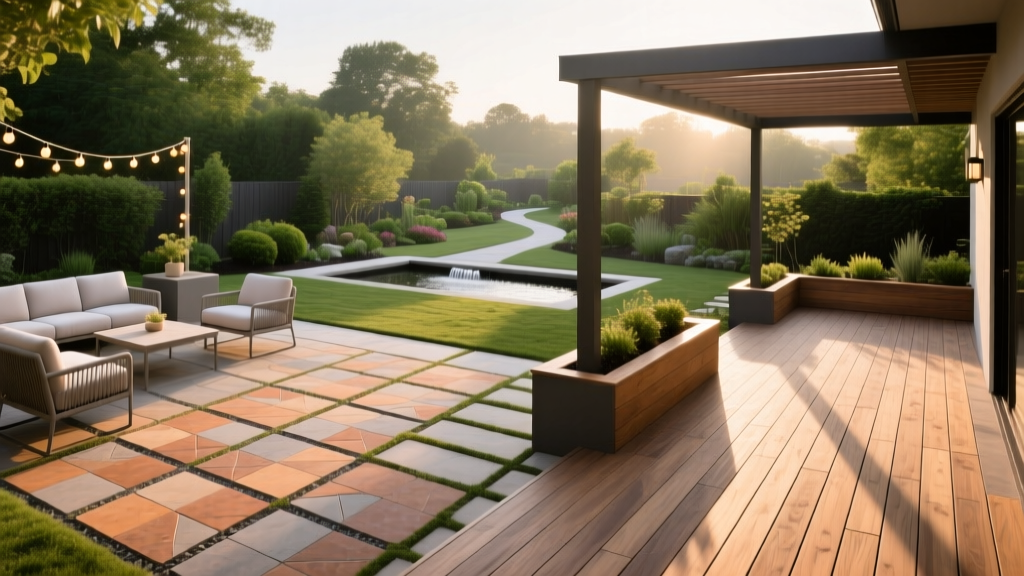
Paver Patio vs Composite Deck: Costs, ROI, and Design
James MillerPublished
The Foundation of Outdoor Entertaining and Curb Appeal
Transforming your backyard into an outdoor entertaining oasis is one of the most rewarding landscaping projects you can undertake. Not only does it expand your living space for hosting friends and family, but it also significantly boosts your property value and curb appeal. When planning your outdoor living space, the two most popular hardscaping choices are paver patios and composite decks. Both offer unique advantages, but they differ vastly in installation, maintenance, cost, and aesthetic integration with your landscape. Choosing the right foundation for your outdoor kitchen, fire pit, or lounge area requires a careful evaluation of your terrain, budget, and long-term landscaping goals. In this comprehensive guide, we will break down the costs, design principles, and curb appeal factors of paver patios versus composite decks to help you make the best decision for your home.
Paver Patios: Ground-Level Elegance and Permeability
Paver patios provide a seamless, ground-level transition from your home's interior to the garden. They are constructed using interlocking concrete, brick, or natural stone pavers laid over a compacted base of gravel and sand. From a curb appeal perspective, pavers offer endless design possibilities. You can match the color and texture of your home's brick facade or create striking geometric patterns that draw the eye across the lawn.
One of the most significant advantages of paver patios in modern landscaping is the ability to use permeable pavers. According to the EPA's research on cool and permeable pavements, permeable paving systems allow rainwater to filter through the joints and into the soil below. This reduces stormwater runoff, prevents erosion in your garden beds, and mitigates the urban heat island effect by retaining less heat than solid concrete slabs. For homeowners focused on sustainable landscaping and protecting their foundation from water damage, permeable pavers like Belgard's Eco Dublin or Unilock's Eco-Optiloc are exceptional choices.
However, paver patios require a perfectly graded, excavated base. If your backyard has a steep slope, the cost of retaining walls and extensive excavation can make a ground-level patio prohibitively expensive compared to an elevated structure.
Composite Decks: Elevated Entertaining and Durability
If your property features a sloped lot, a walkout basement, or you simply want an elevated vantage point of your landscape, a composite deck is the ideal solution. Modern composite decking is manufactured from a blend of recycled wood fibers and high-density polyethylene (HDPE) plastics, capped with a protective polymer shell. Brands like Trex Transcend, TimberTech Advanced PVC, and Fiberon offer scratch-resistant, fade-resistant surfaces that mimic the look of natural hardwood without the annual burden of sanding, staining, or sealing.
For outdoor entertaining, composite decks offer a splinter-free, easy-to-clean surface. Spilled wine, barbecue grease, or melted marshmallows from the fire pit can be wiped away with soap and water. Composite decking also allows for creative multi-level designs, built-in bench seating, and integrated planter boxes that soften the hardscape and improve the visual flow from the house to the yard.
The primary drawback of composite decking is the initial material cost and the requirement for a structural substructure (joists, beams, and footings). Additionally, while composite materials are highly durable, they can retain more heat under direct summer sunlight compared to lighter-colored stone pavers, which is a crucial consideration if you plan to entertain barefoot during midday garden parties.
Cost, ROI, and Lifespan Comparison
Understanding the financial commitment and return on investment is critical for any major landscaping project. Below is a structured comparison of paver patios and composite decks based on national averages for materials and professional installation.
| Feature | Paver Patio (Concrete/Stone) | Composite Deck (Capped Polymer) |
|---|---|---|
| Average Cost per Sq. Ft. | $20 - $40 | $35 - $60 |
| Expected Lifespan | 25 - 50+ years | 25 - 30 years |
| Maintenance Requirements | Low (weed control, occasional re-sanding) | Very Low (seasonal soap and water wash) |
| Installation Time | 1 - 2 weeks (includes excavation) | 1 - 3 weeks (includes footings/framing) |
| Best Terrain Type | Flat or gently sloping yards | Steep slopes, uneven terrain, elevated exits |
Budgeting for Hidden Costs and Site Preparation
When budgeting for your outdoor entertaining space, homeowners often overlook site preparation costs. For a paver patio, excavation and grading are mandatory. If your soil is heavy clay, you may need to remove 8 to 12 inches of earth and replace it with a compacted crushed stone base to prevent frost heave and settling. Furthermore, if your patio design includes a fire pit or an outdoor kitchen, you will need to budget for running gas lines or electrical conduits beneath the base layer before the pavers are laid.
For composite decks, hidden costs often come in the form of structural requirements. Building codes dictate that deck footings must be poured below the local frost line, which can be 36 to 48 inches deep in northern climates. If your deck is elevated more than 30 inches off the ground, you will also need to budget for code-compliant railings and stairs, which can add $2,000 to $5,000 to the final project cost. Always factor in local permit fees, which typically range from $150 to $500 depending on your municipality.
Designing for Entertaining: Zoning and Measurements
Whether you choose pavers or composite decking, the key to a successful entertaining space is strategic zoning. A common mistake is building a single, massive open area that feels empty when not fully occupied. Instead, divide your hardscape into distinct functional zones.
- The Dining Zone: To comfortably accommodate a standard 6-person dining table and chairs, with enough room for guests to push back their chairs and walk behind them, you need a minimum clear space of 12 feet by 14 feet (168 square feet).
- The Lounge and Fire Pit Zone: If you are integrating a gas or wood-burning fire pit, allocate a circular area with a 10-foot diameter. This allows for a 4-foot clearance around the fire pit for Adirondack chairs, ensuring safety and comfort.
- The Outdoor Kitchen Zone: For a built-in grill, prep counter, and beverage station, plan for a linear footprint of at least 10 feet long by 3 feet deep. Ensure you use non-combustible materials like stone veneer or stainless steel for the cabinetry, especially if building on a composite deck.
Lighting the Landscape for Evening Ambiance
Lighting is what transforms a basic patio or deck into a magical evening retreat. Avoid harsh, glaring floodlights. Instead, opt for a layered, low-voltage LED lighting system. For paver patios, install cast-bronze LED path lights along the walkways and hardscape lights beneath the lips of retaining walls to provide a soft, downward glow. For composite decks, integrate LED riser lights into the stair treads and post-cap lights on the railings. Brands like Kichler and Cast Lighting offer transformer kits that can be set on a photocell timer, ensuring your entertaining space is always perfectly illuminated as the sun sets, while also enhancing security and curb appeal from the street.
Curb Appeal and Softscape Integration
A hardscape without a softscape looks barren and disconnected from the natural environment. To maximize curb appeal, you must integrate your patio or deck with lush, well-planned garden beds. According to the EPA WaterSense landscaping guidelines, utilizing hydrozoning—grouping plants with similar water needs together—and choosing native, drought-tolerant species can drastically reduce outdoor water use while keeping your landscape vibrant.
For a paver patio, soften the rigid edges by planting ornamental grasses like Karl Foerster Feather Reed Grass or low-growing groundcovers like creeping thyme between the border pavers. For composite decks, utilize the space underneath and around the structure. Plant shade-tolerant shrubs like hydrangeas or ferns beneath elevated decks to hide the substructure and create a finished look. To create privacy for your entertaining area without building a solid fence, plant a living screen of fast-growing evergreens, such as Green Giant Arborvitae, spaced 5 to 6 feet apart along the property line.
Conclusion: Choosing Your Perfect Outdoor Canvas
Both paver patios and composite decks offer incredible value, durability, and aesthetic appeal for outdoor entertaining. If you have a flat yard, prioritize sustainable drainage, and want a seamless connection to your garden beds, a permeable paver patio is an unbeatable choice. If you are dealing with a sloped lot, desire an elevated view of your landscape, and want a virtually maintenance-free surface for hosting large gatherings, a composite deck is the way to go. By carefully planning your functional zones, investing in low-voltage lighting, and surrounding your hardscape with water-smart landscaping, you will create an outdoor oasis that delights your guests and elevates your home's curb appeal for decades to come.

