
Landscaping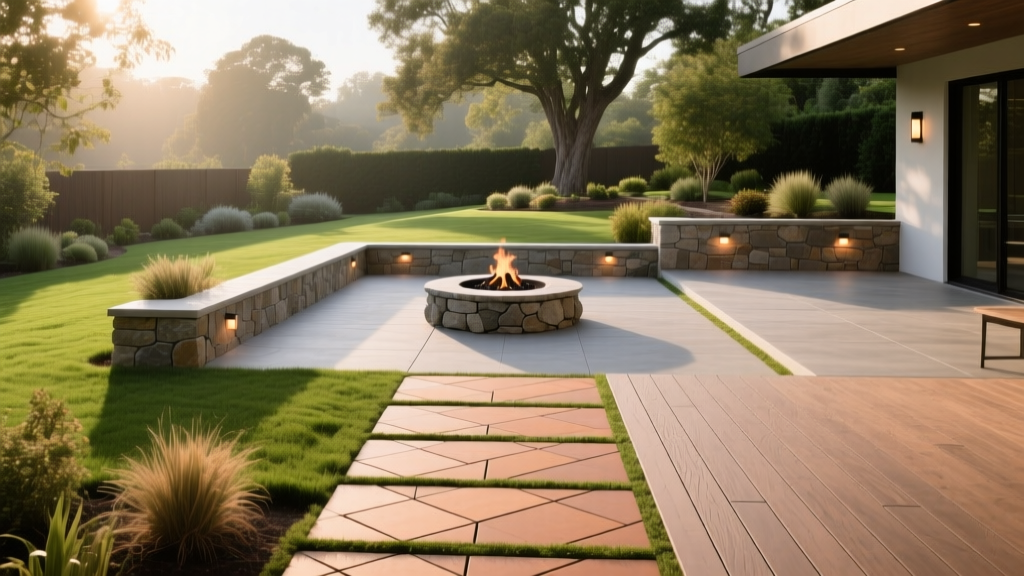
Paver Patios and Walkways: Boost Curb Appeal and Entertaining
James MillerPublished
The Intersection of Curb Appeal and Outdoor Entertaining
When homeowners think about landscaping, they often picture lush green lawns, vibrant garden beds, and carefully pruned shrubs. However, the true backbone of any exceptional landscape design is hardscaping. Hardscaping encompasses the non-living elements of your outdoor space, such as paver patios, stone walkways, retaining walls, and built-in fire pits. By strategically designing these features, you can simultaneously elevate your home's front-yard curb appeal and create a backyard oasis primed for outdoor entertaining.
The journey of a guest experience begins at the curb and ends around a warm fire pit in your backyard. Connecting these two spaces through cohesive hardscape design ensures a seamless flow that impresses visitors and adds significant property value. In this comprehensive guide, we will explore how to select the right materials, design functional entertaining zones, and incorporate sustainable drainage solutions into your landscape.
Choosing the Right Pavers for Your Landscape
The foundation of any successful patio or walkway project lies in material selection. Pavers come in a variety of materials, each offering distinct aesthetic qualities, durability levels, and price points. The most common choices for residential landscaping include concrete pavers, clay brick, and natural stone.
Concrete pavers are incredibly versatile, available in countless colors, shapes, and textures that mimic natural stone or aged brick. They are manufactured to withstand harsh freeze-thaw cycles, making them a top choice for northern climates. Clay brick pavers offer a timeless, classic aesthetic that never fades, as the color is baked into the clay itself. Natural stone, such as flagstone or bluestone, provides an organic, high-end look but requires more meticulous installation and often comes with a premium price tag.
| Paver Material | Average Installed Cost (per sq. ft.) | Durability and Lifespan | Maintenance Level | Best Application |
|---|---|---|---|---|
| Concrete Pavers | $10 - $20 | High (25-50 years) | Low | Patios, Driveways, Walkways |
| Clay Brick Pavers | $12 - $25 | Very High (50+ years) | Moderate | Formal Walkways, Classic Patios |
| Natural Stone (Flagstone) | $20 - $40+ | Exceptional (Lifetime) | Low to Moderate | Organic Patios, Pool Decks |
| Permeable Pavers | $15 - $30 | High (25-50 years) | Moderate (Vacuuming joints) | Driveways, Eco-Friendly Patios |
Designing the Front Yard Walkway for Maximum Curb Appeal
Your front yard walkway is the first architectural element guests interact with. To maximize curb appeal, the walkway must be both functional and visually striking. A common mistake in residential landscaping is installing walkways that are too narrow. For a comfortable experience where two people can walk side-by-side, your primary walkway should be at least 4 to 5 feet wide.
Consider the architectural style of your home when choosing a laying pattern. A running bond or herringbone pattern works beautifully with modern and traditional homes alike. To add depth and frame the walkway, install a contrasting border using a different paver color or texture. For example, a tumbled concrete paver in a warm earth tone can be bordered by a smooth, dark charcoal concrete coping.
Lighting is another critical component of curb appeal and safety. Integrate low-voltage LED path lights every 6 to 8 feet along the walkway. Choose fixtures with a warm color temperature (around 2700K to 3000K) to create a welcoming glow that highlights the surrounding garden beds without causing light pollution.
Creating the Ultimate Backyard Entertaining Patio
While the front yard is about making a great first impression, the backyard is where the actual entertaining happens. Designing a patio for outdoor entertaining requires careful consideration of space, flow, and zoning. A general rule of thumb for patio sizing is to allocate at least 25 square feet per person you plan to host regularly. If you frequently entertain 20 guests, you will need a minimum of 500 square feet of usable patio space, not including garden beds or structural elements.
Zoning Your Patio Space
To create a dynamic entertaining environment, divide your patio into distinct functional zones. This prevents the space from feeling like one massive, empty concrete slab and encourages natural mingling among guests.
- The Dining Zone: This area should be located closest to the back door or outdoor kitchen for easy transport of food and dishes. Ensure there is at least 3 feet of clearance around the dining table for chairs to be pulled out comfortably.
- The Lounging Zone: Position this area slightly further from the house, perhaps under a pergola or shade sail. Use built-in seating walls made from matching paver retaining wall blocks to define the space and provide extra seating without cluttering the patio with furniture.
- The Fire Pit Zone: The focal point of any evening gathering. This zone should be situated at the furthest edge of the patio to draw people through the entire space and provide a cozy, intimate atmosphere away from the main dining traffic.
Installing a Built-In Fire Pit: Safety and Design
A built-in fire pit elevates a standard patio into a true outdoor living room. When designing a fire pit, you must choose between wood-burning and gas-powered models. Wood-burning pits offer the traditional crackling sound and aroma of burning wood, but they require more cleanup and produce smoke. Gas fire pits, fueled by propane or natural gas, offer instant ignition, smokeless operation, and precise temperature control, making them highly preferred for high-end entertaining spaces.
Safety is paramount when integrating fire features into your hardscape. According to the National Fire Protection Association (NFPA), outdoor fires and fire pits require strict safety clearances to prevent accidental structure fires. Always maintain a minimum clearance of 10 to 20 feet from your home, deck, and overhanging tree branches. Furthermore, the Consumer Product Safety Commission (CPSC) advises using a heavy-duty metal screen over wood-burning fire pits to contain flying embers and sparks, ensuring your guests remain safe while enjoying the ambiance.
Pro Tip: If building a wood-burning fire pit, incorporate a steel fire ring liner inside the masonry structure. This protects the pavers and retaining wall blocks from the intense, degrading heat of direct flames, preventing them from cracking or discoloring over time.
Sustainable Hardscaping: Permeable Pavers and Drainage
As hardscape footprints expand, managing stormwater runoff becomes a critical environmental and structural concern. Traditional impermeable patios and walkways force rainwater to sheet off into storm drains, carrying pollutants into local waterways and overwhelming municipal sewer systems. To combat this, sustainable landscaping increasingly relies on permeable paver systems.
The Environmental Protection Agency (EPA) highly recommends permeable pavement systems as a core green infrastructure technique. These systems allow stormwater to infiltrate through wider joints filled with small aggregate and into a deep, crushed stone base. This process significantly reduces runoff, mitigates localized flooding, and naturally filters pollutants before they reach the groundwater table.
Installing permeable pavers requires specialized base preparation. Unlike standard patios that use a shallow bed of sand over compacted gravel, permeable systems require a deep reservoir base of open-graded crushed stone (typically 6 to 12 inches deep) and a layer of geotextile fabric to prevent soil migration. While the upfront installation cost is slightly higher, the long-term benefits for landscape drainage and environmental stewardship are immense.
Budgeting and ROI for Hardscaping Projects
Hardscaping is a significant financial investment, but it consistently yields one of the highest returns on investment (ROI) in residential landscaping. A well-designed paver patio and walkway system not only expands your usable living space but also creates an emotional connection with potential buyers. Real estate industry data frequently shows that comprehensive outdoor living spaces, complete with patios, lighting, and fire features, can recoup a substantial portion of their cost upon the sale of the home.
When budgeting for your project, remember to account for site preparation, which can represent up to 30 percent of the total cost. Excavation, grading, and hauling away soil are labor-intensive but absolutely vital for a long-lasting installation. A poorly prepared base will lead to settling, pooling water, and heaving pavers within just a few seasons. By investing in high-quality materials, proper base preparation, and sustainable drainage techniques, you will create a stunning landscape that seamlessly blends front-yard curb appeal with backyard entertaining perfection for decades to come.

