Home & Garden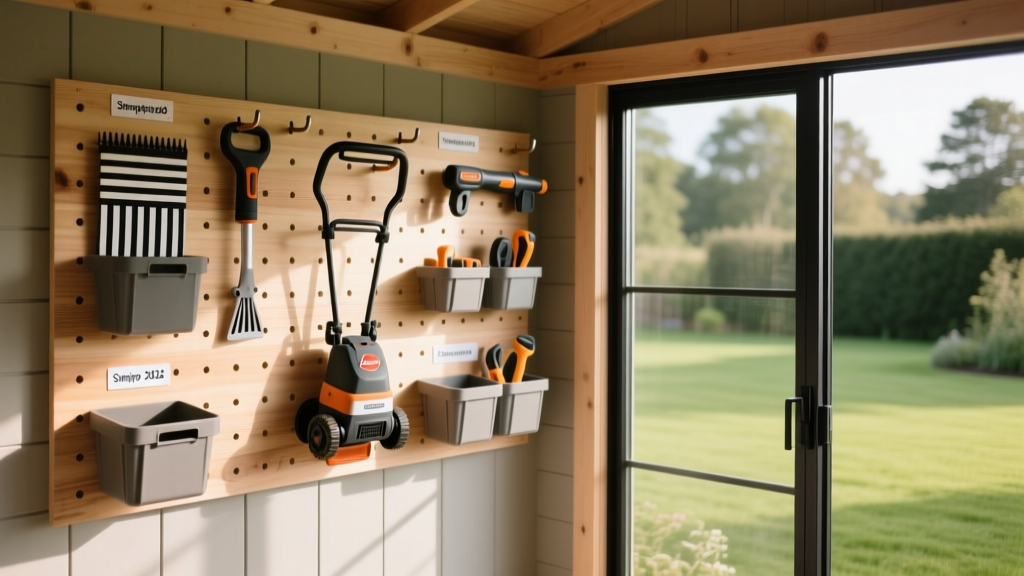
2026 Pegboard Shed Organization for Mowing Patterns
Mike RodriguezPublished
The Intersection of Shed Organization and Lawn Striping
Achieving the perfect diamond, checkerboard, or wave mowing pattern in 2026 requires much more than just a high-quality zero-turn mower and a healthy stand of turfgrass. It demands precision, preparation, and immediate access to specialized landscaping tools. For lawn care enthusiasts and professionals alike, the transition from the garden shed to the lawn is a critical window of time. If your striping kits, aerosol marking paints, measuring wheels, and edging tools are buried in disorganized plastic totes, you lose valuable momentum. Furthermore, as the sun shifts and the grass blades dry throughout the morning, the visual contrast required for crisp mowing patterns can diminish before you even pull the starter cord.
Bridging the gap between indoor storage and outdoor execution starts with a highly customized garden shed organization system. By integrating a heavy-duty pegboard wall with industrial steel shelving, you can create a dedicated 'Pattern Preparation Zone.' This setup ensures that every tool required to lay out, execute, and clean up after a complex mowing pattern is visible, accessible, and properly maintained. In this guide, we will explore how to design a 2026-ready shed layout that specifically caters to the rigorous demands of advanced mowing techniques and lawn striping.
Designing the Ultimate Pegboard Wall for Pattern Gear
Standard 1/4-inch hardboard pegboards are insufficient for the weight of modern lawn striping attachments and steel measuring equipment. For a 2026 shed upgrade, opt for a metal pegboard system, such as the Gladiator GearWall or a comparable heavy-gauge steel panel. Metal pegboards offer superior weight distribution and prevent the tearing that often occurs when hanging heavy, awkwardly shaped mowing attachments.
Mount the metal pegboard directly into the wall studs using 2.5-inch structural screws, ensuring the bottom edge is at least 40 inches from the floor to allow clearance for shelving units and mower handles below. Once the board is secured, divide the wall into three distinct functional zones tailored to mowing patterns.
Zone 1: The Striping and Roller Toolkit
The core of any mowing pattern is the striping kit. Whether you are using a Toro Stripe Kit, a John Deere rear roller, or an aftermarket weighted drag mat, these attachments are bulky and heavy. Utilize 8-inch heavy-duty cradle hooks with a rubberized coating to hold the cylindrical rollers without scratching their surfaces. Position these hooks at eye level so you can easily inspect the roller bearings and attachment brackets before heading out to the lawn. Beside the rollers, use 4-inch single hooks to hang bungee cords and quick-release pins, which are essential for rapidly swapping between bagging and striping configurations mid-mow.
Zone 2: Layout and Measurement Instruments
Complex patterns like the checkerboard or multi-directional diamond require precise layout before the mower is even started. This zone is dedicated to the geometry of lawn care. Install specialized aerosol can holders with retaining lips to store inverted marking paint (such as Krylon or Rust-Oleum landscaping paint). Below the paint, mount a horizontal rack to hold your measuring wheel and fiberglass string lines. Keeping your layout tools on the pegboard rather than in a drawer ensures that you can quickly grab your gear, mark your 90-degree pivot points, and establish your guide strings while the morning dew is still on the grass.
Zone 3: Edging and Trimming Arsenal
Crisp mowing patterns are defined by their borders. A wavy or overgrown edge will ruin the optical illusion of a perfectly striped lawn. Dedicate the lower section of the pegboard to your stick edgers, string trimmers, and replacement spools. Use multi-tool racks that hold the shafts of the trimmers vertically, keeping the cutting heads off the ground to prevent dulling the blades or tangling the line. Store spare trimmer line and replacement edger blades in small, clear acrylic bins mounted directly to the pegboard using specialized bin brackets.
Heavy-Duty Shelving for Mowers and Attachments
While the pegboard handles the intricate tools of the trade, heavy-duty steel shelving is required for the mowers themselves and their larger accessories. In 2026, the standard for residential and prosumer sheds is the 5-tier industrial steel rack, capable of holding up to 800 pounds per shelf. Place these units adjacent to the pegboard to create a continuous workflow station.
The bottom shelf should be reserved for the mower deck cleaning tools, fuel cans, and oil reserves. According to the OSHA Material Storage Guidelines, heavy items and hazardous materials like gasoline must be stored on lower shelves to maintain a low center of gravity, prevent tipping, and ensure ergonomic lifting. The middle shelves are ideal for storing bulky pattern-altering attachments, such as aerators, dethatchers, and heavy grass baggers. The top shelf should hold lightweight, seasonal items like replacement air filters, spare drive belts, and protective mower covers.
2026 Gear Allocation: Pegboard vs. Shelving
To maintain a seamless workflow, it is crucial to know exactly where each piece of mowing and pattern gear belongs. The following table outlines the optimal storage allocation for a pattern-focused shed setup.
| Tool / Attachment | Storage Location | Purpose in Patterning |
|---|---|---|
| Weighted Striping Roller | Pegboard (Cradle Hooks) | Bends grass for light/dark reflection |
| Inverted Marking Paint | Pegboard (Aerosol Bins) | Marks pivot points and boundary lines |
| Measuring Wheel & String | Pegboard (Horizontal Rack) | Ensures equal spacing for checkerboards |
| Stick Edger & Trimmer | Pegboard (Vertical Shafts) | Creates crisp borders to frame patterns |
| Zero-Turn / Push Mower | Floor / Ramp Access | Primary cutting and striping vehicle |
| Grass Bagger Attachment | Shelving (Middle Tier) | Removes clippings that obscure patterns |
| Fuel & Deck Cleaner | Shelving (Bottom Tier) | Maintenance for consistent blade speed |
Post-Mow Maintenance for Crisp Pattern Lines
The secret to high-contrast lawn stripes is not just the weight of the roller, but the cleanliness of the mower deck and the health of the turf. Grass clippings that build up under the mower deck disrupt airflow, leading to an uneven cut and clumping that destroys the visual continuity of your pattern. After every mowing session, utilize your shed's organization system to perform a rapid cleanup.
Keep a dedicated deck scraper, a stiff-bristle brush, and a hose nozzle on a lower pegboard hook near the shed door. The University of Minnesota Extension emphasizes that regular removal of caked-on grass and debris from the mower deck is essential for maintaining optimal cutting efficiency and preventing the spread of turf diseases. A clean deck ensures that the grass blades are sliced cleanly rather than torn, allowing them to bend uniformly under the striping roller for maximum light reflection.
Furthermore, store your blade sharpening kit or replacement mulching blades on the middle shelving tier. According to research from the University of Minnesota Turfgrass Science program, a dull mower blade shreds the grass tip, causing it to turn brown and frayed. This browning effect severely dulls the vibrant green contrast required for professional-looking mowing patterns. By keeping your sharpening stones and socket wrenches visibly mounted in the shed, you are more likely to adhere to a strict bi-weekly blade maintenance schedule.
Optimizing the Shed Workflow for 2026
Ultimately, a garden shed organized with a pegboard and heavy-duty shelving is not just about tidiness; it is a strategic command center for outdoor landscaping. By treating your mowing pattern gear with the same level of respect as a carpenter treats their woodworking tools, you eliminate the friction between planning and execution. When your measuring wheels, marking paints, and striping kits are displayed on a well-lit metal pegboard, you spend less time searching and more time crafting the perfect diamond or wave pattern across your lawn. Invest in the right hooks, mount your shelves securely, and let your shed become the foundation of your 2026 lawn care masterpiece.
