Home & Garden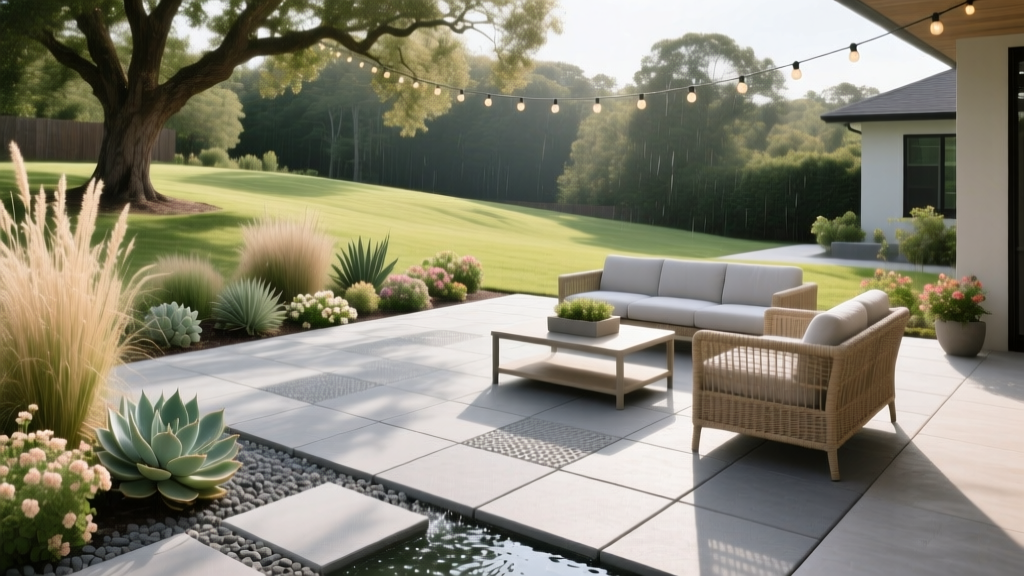
Design a Permeable Paver Patio for Eco-Friendly Entertaining
Robert HayesPublished
The Evolution of Outdoor Entertaining and Curb Appeal
Outdoor entertaining has evolved far beyond a simple charcoal grill and a few folding chairs on a concrete slab. Today, homeowners are seeking to bridge the gap between indoor comfort and outdoor beauty, creating multi-functional living spaces that serve as the centerpiece of their property. When designing an outdoor entertaining area, balancing aesthetic curb appeal with environmental responsibility is no longer just a trend; it is a standard for modern landscape architecture. One of the most effective ways to achieve this balance is by installing a permeable paver patio. This eco-friendly hardscaping solution not only provides a stunning, customizable foundation for your outdoor furniture and kitchen islands but also actively manages stormwater runoff, protecting your local watershed and preventing soil erosion.
Why Choose Permeable Pavers for Your Entertaining Space?
Traditional concrete and asphalt surfaces are impervious, meaning they force rainwater to run off into storm drains, picking up pollutants, fertilizers, and debris along the way. This runoff can overwhelm municipal sewer systems and degrade local water quality. Permeable pavers, on the other hand, are designed with wider joints filled with small, crushed aggregate. This allows rainwater to seep through the surface and filter naturally back into the underlying soil. According to the U.S. Environmental Protection Agency (EPA), green infrastructure techniques like permeable pavements are highly effective at reducing stormwater volume, filtering out pollutants, and mitigating the urban heat island effect. For the eco-conscious homeowner, this means your summer barbecues and evening dinner parties are hosted on a surface that actively benefits the local environment.
Anatomy of a Permeable Paver System
To ensure your patio can handle the foot traffic of a large gathering while maintaining its drainage capabilities, the base preparation is critical. A permeable system is not just about the pavers themselves; it is an engineered, multi-layered reservoir.
- Subgrade: The native soil, compacted to provide a stable foundation.
- Base Reservoir Layer: Typically 6 to 12 inches of clean-washed, crushed stone (ASTM No. 57). This layer acts as a temporary reservoir, holding water before it slowly infiltrates the soil.
- Bedding Layer: A 1 to 2-inch layer of smaller, clean crushed stone (ASTM No. 8) that provides a level surface for the pavers.
- The Pavers: Specially manufactured concrete or brick pavers with spacer bars on the sides to ensure uniform joint widths.
- Jointing Aggregate: Clean, crushed stone (ASTM No. 8 or 9) swept into the joints. Unlike polymeric sand used in traditional patios, this stone remains porous, allowing water to pass through.
Zoning Your Patio for Maximum Functionality
When planning your outdoor entertaining space, think of your patio as a series of interconnected outdoor rooms. Proper zoning ensures that your guests can mingle, dine, and relax without feeling cramped.
The Dining Zone
For a standard six-to-eight-person dining table, you need a minimum clear space of 10 feet by 10 feet. This allows enough room for chairs to be pulled out and for guests to walk behind seated diners without stepping off the patio edge. Position this zone closest to your back door or outdoor kitchen to minimize the distance you have to carry heavy platters and glassware.
The Lounging and Fire Pit Zone
Create a secondary zone dedicated to relaxation, anchored by a gas or smokeless fire pit. Maintain a minimum clearance of 36 inches around the fire pit for seating and safe traffic flow. To enhance curb appeal and provide privacy, border this zone with built-in permeable planter walls filled with native, drought-resistant ornamental grasses.
Base Preparation and Installation Guidelines
The depth of your base reservoir layer depends heavily on your native soil type and the expected load. While a standard patio might only require a 4-inch base, a permeable system requires a deeper excavation to accommodate water storage. Below is a general guideline for base depth based on soil percolation rates.
| Native Soil Type | Percolation Rate | Recommended Base Depth (ASTM No. 57) | Notes for Entertaining Areas |
|---|---|---|---|
| Sandy Loam | High (Fast Drainage) | 4 to 6 inches | Ideal for heavy foot traffic and quick drying after rain. |
| Loam / Mixed | Moderate | 6 to 8 inches | Standard residential recommendation for dining zones. |
| Heavy Clay | Low (Slow Drainage) | 10 to 12+ inches | Requires a larger reservoir; consider adding an underdrain pipe. |
Pro Tip: If your soil is heavy clay, water will infiltrate very slowly. To prevent your patio base from turning into an underground swimming pool during heavy storms, install a perforated PVC underdrain pipe at the bottom of the base layer, sloped gently to daylight or a dry well.
Integrating Smart Lighting for Evening Ambiance
Outdoor entertaining frequently extends well into the evening, making landscape lighting essential for both safety and ambiance. Integrating smart, low-voltage LED lighting into your permeable patio design elevates the space from a simple backyard to a high-end resort experience. The U.S. Department of Energy notes that switching to LED outdoor lighting can reduce energy consumption for landscape illumination by up to 75% compared to traditional halogen bulbs, while lasting significantly longer.
Install smart LED path lights along the borders of your patio to define the edges and guide guests safely. Use adjustable hardscape lights under built-in seating walls to create a soft, glowing wash over the pavers. By connecting your low-voltage transformer to a smart home hub (like Wi-Fi or Bluetooth-enabled transformers), you can adjust the color temperature and brightness directly from your smartphone, dimming the lights as the evening progresses to create an intimate dining atmosphere.
Landscaping for Privacy and Curb Appeal
A patio is only as inviting as its surroundings. To frame your entertaining space and boost your home's curb appeal, incorporate strategic plantings that offer privacy without blocking the breeze. Avoid water-thirsty tropical plants that require constant irrigation. Instead, opt for native shrubs and perennials that are adapted to your local climate. According to EPA WaterSense, landscaping with water-efficient, native plants can reduce outdoor water use by 20 to 50 percent, saving you money and conserving vital resources.
Consider planting evergreen screens like Arborvitae or native Junipers on the property lines to block neighboring views. Closer to the patio, use raised permeable planter beds filled with sensory plants like Lavender, Russian Sage, and Ornamental Alliums. These plants not only look beautiful when uplighted by your smart LEDs but also attract beneficial pollinators and release pleasant fragrances when brushed against by passing guests.
Maintenance and Long-Term ROI
One common misconception is that permeable pavers require excessive maintenance. In reality, routine care is straightforward. The primary goal is to prevent the joints from clogging with organic debris, dirt, or leaves, which can reduce permeability. Sweep the patio regularly and use a leaf blower to remove organic matter. Once or twice a year, use a specialized vacuum sweeper or a pressure washer with a vacuum attachment to extract deep-seated sediment from the joints, topping them off with fresh ASTM No. 8 aggregate as needed.
While the initial investment is higher than poured concrete, the return on investment (ROI) is substantial. You eliminate the need for costly drainage systems, reduce potential stormwater utility fees, and significantly increase your property's resale value through enhanced curb appeal.
| Material Type | Average Installed Cost (per sq. ft.) | Expected Lifespan | Environmental Impact |
|---|---|---|---|
| Poured Concrete | $8 - $15 | 20 - 30 years | High runoff, heat island effect |
| Standard Pavers | $12 - $20 | 30 - 50 years | Moderate runoff (if sand joints) |
| Permeable Pavers | $15 - $25 | 40 - 60+ years | Zero runoff, filters pollutants |
Conclusion
Designing an outdoor entertaining space is an opportunity to extend your home's living area while making a positive environmental impact. By choosing a permeable paver patio, integrating smart LED lighting, and surrounding the space with water-efficient landscaping, you create a stunning, functional oasis. Your guests will enjoy a beautiful, well-lit evening of dining and conversation, while you enjoy the peace of mind that comes with a sustainable, low-maintenance landscape that enhances your home's curb appeal for decades to come.
