Home & Garden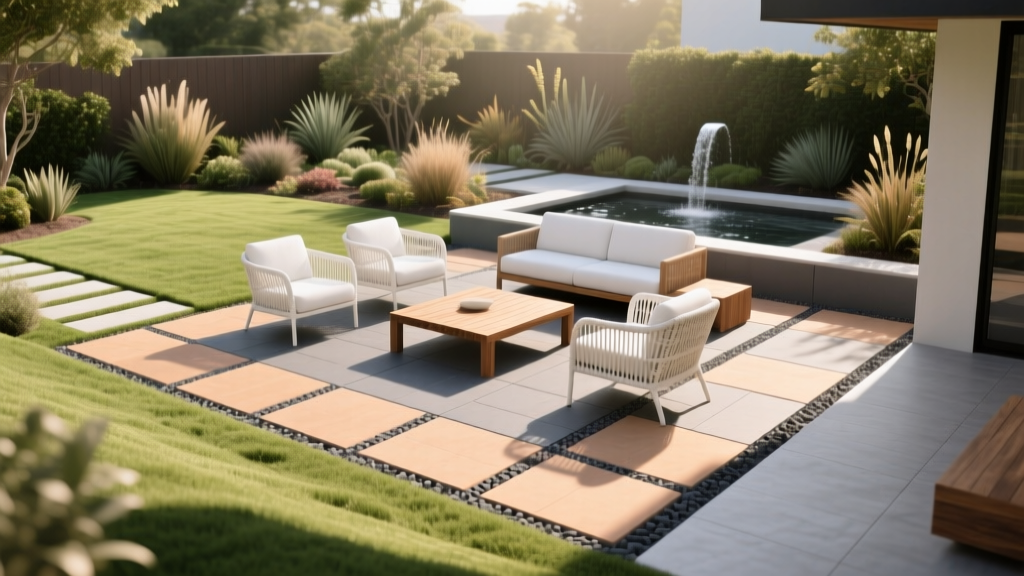
Eco-Friendly Patios: Permeable Pavers for Curb Appeal & Hosting
David ParkPublished
The Intersection of Curb Appeal and Sustainable Entertaining
When homeowners think of upgrading their outdoor spaces, they often face a dilemma: how to create a stunning, functional area for entertaining without sacrificing environmental responsibility or front-yard curb appeal. The modern home and garden landscape is no longer just about manicured grass; it is about bridging indoor and outdoor living through smart, sustainable hardscaping. Enter permeable interlocking concrete pavers (PICP). These innovative paving systems offer a sophisticated aesthetic that instantly elevates your property's curb appeal while providing an eco-friendly foundation for your backyard entertaining zones. By allowing rainwater to percolate through the surface and into the ground, permeable pavers reduce stormwater runoff, minimize local flooding, and recharge groundwater aquifers. Whether you are designing a grand front courtyard to wow guests as they arrive or a sprawling backyard patio for garden-to-table dinner parties, permeable pavers deliver unmatched versatility, durability, and environmental stewardship.
Understanding Permeable Paver Technology
Unlike traditional concrete slabs or asphalt that force water to sheet off into storm drains, permeable pavers are designed with built-in void spaces. The pavers themselves are solid concrete, but they are spaced apart using specialized spacer bars during installation. These joints are then filled with small, clean, crushed aggregate rather than traditional sand or mortar. Beneath the surface lies a carefully engineered, multi-layered open-graded stone base that acts as a subterranean reservoir, temporarily storing water before it slowly infiltrates the native soil. According to the Environmental Protection Agency (EPA), permeable pavements are a cornerstone of green infrastructure, significantly reducing the volume of stormwater runoff and filtering out pollutants like heavy metals, oils, and sediments before they can reach local waterways. This makes them an ideal choice for eco-conscious homeowners looking to minimize their environmental footprint while maximizing their outdoor living space.
Elevating Curb Appeal with Hardscape Design
Curb appeal is all about the first impression, and hardscaping plays a pivotal role in defining the architectural character of your home. Replacing a cracked, oil-stained concrete driveway or a mundane walkway with permeable pavers instantly modernizes your property's exterior. Because these pavers come in a vast array of colors, textures, and shapes, you can seamlessly match your home's existing facade. For driveways, a classic herringbone pattern is highly recommended; not only does it provide a timeless, high-end visual appeal, but the interlocking geometry also offers superior structural stability to handle the weight and turning radius of vehicles. For front walkways, a running bond or ashlar pattern can guide guests toward your front door while allowing border plantings of native, drought-tolerant perennials to soften the edges. The result is a cohesive, welcoming entrance that signals a well-maintained, thoughtfully designed property.
Designing the Ultimate Outdoor Entertaining Zone
Transitioning to the backyard, permeable pavers serve as the perfect canvas for a multi-functional outdoor entertaining hub. When designing your patio, think in terms of distinct zones: a dining area adjacent to the back door for easy access to the indoor kitchen, a lounging zone centered around a gas fire pit, and an outdoor cooking station. Because permeable systems handle water so effectively, you do not have to worry about puddles forming near your outdoor furniture or grill after a heavy summer downpour. To truly bridge the gap between garden and table, integrate raised cedar or corten steel planter beds directly into the perimeter of your paver design. Fill these beds with culinary herbs like rosemary, thyme, and basil, alongside compact heirloom tomato varieties. Your guests can enjoy a cocktail on the patio while you harvest fresh ingredients steps away from the dining table. Furthermore, the open-graded base of the paver system ensures that the adjacent garden beds receive excellent subsurface drainage, preventing root rot and promoting healthier plant growth.
Cost and Material Comparison Chart
When planning your hardscape project, it is essential to weigh the initial investment against long-term value, maintenance requirements, and environmental benefits. Below is a comparison of popular patio and driveway materials to help you make an informed decision.
| Material Type | Estimated Installed Cost (per sq. ft.) | Permeability | Lifespan | Curb Appeal & Customization |
|---|---|---|---|---|
| Permeable Concrete Pavers (PICP) | $15 - $25 | High (Excellent stormwater management) | 25 - 40+ Years | Exceptional (Highly customizable patterns/colors) |
| Traditional Poured Concrete | $8 - $15 | None (Requires grading and drains) | 20 - 30 Years | Moderate (Prone to cracking over time) |
| Stamped/Colored Concrete | $12 - $20 | None (Requires grading and drains) | 15 - 25 Years | High (Mimics stone but fades and cracks) |
| Natural Flagstone (Set in Mortar) | $20 - $35 | None (Unless dry-set with gravel joints) | 30+ Years | High (Rustic, organic aesthetic) |
| Permeable Asphalt | $7 - $12 | High | 15 - 20 Years | Low (Strictly utilitarian, limited colors) |
Step-by-Step Installation and Base Preparation
The success and longevity of a permeable paver system rely entirely on proper base preparation. Unlike traditional patios that use a compacted layer of crushed gravel and sand, permeable systems require an open-graded, washed stone base to maintain void spaces for water storage. According to guidelines published by Penn State Extension, a standard installation requires a subbase of ASTM No. 2 crushed stone (typically 6 to 12 inches deep, depending on local soil percolation rates and expected traffic loads), followed by a base layer of ASTM No. 57 stone (2 to 4 inches deep). The pavers are then laid on a thin bedding layer of ASTM No. 8 stone. It is critical that all stone used is washed and free of fine dust or 'fines,' which can clog the system and render it impermeable. The joints between the pavers are also filled with ASTM No. 8 or No. 9 aggregate, creating a surface that can infiltrate several inches of rain per hour—far exceeding the intensity of most severe storms.
Pro Tip: Never use polymeric sand or traditional masonry sand in permeable paver joints. Polymeric sand contains binding agents that seal the surface when wet, completely defeating the purpose of a permeable system. Always use clean, washed, angular aggregate to maintain structural lock and water flow.
Maintenance Routines for Long-Term Permeability
While permeable pavers are incredibly durable, they do require specific maintenance to ensure the joints do not become clogged with organic debris, sediment, or dirt over time. To keep your entertaining space pristine and functioning correctly, implement a bi-annual maintenance routine. In the spring and late fall, use a stiff-bristled push broom to sweep away surface debris. For deeper cleaning, a specialized vacuum sweeper or a standard wet/dry shop vac can be used to pull out the top half-inch of jointing stone, which can then be replaced with fresh, clean ASTM No. 8 aggregate. Avoid using high-pressure power washers directly on the joints, as this can wash the bedding stone out from beneath the pavers, causing them to settle unevenly. Additionally, never apply acrylic sealers to the surface of permeable pavers, as these will block the pores and voids. If you desire a 'wet look' to enhance the paver colors for an evening party, use a breathable, penetrating enhancer specifically formulated for permeable hardscapes.
Integrating Smart Lighting for Evening Hosting
To truly maximize your outdoor entertaining space, smart landscape lighting is essential. Hardscape lighting not only extends the usable hours of your patio but also dramatically enhances nighttime curb appeal and safety. Low-voltage LED hardscape lights can be seamlessly integrated directly beneath the coping stones of built-in seating walls or along the perimeter steps of the patio. By connecting your low-voltage transformer to a smart home hub via Wi-Fi, you can program lighting scenes tailored to your events. Set a 'Dinner Party' scene that dims the pathway lights to 30% brightness while illuminating the dining table and adjacent garden-to-table beds with warm, 2700K uplighting. You can also integrate moonlighting—mounting fixtures high in the canopy of nearby shade trees to cast a soft, natural-looking glow over the permeable paver surface, highlighting the intricate patterns and textures of the stone while providing ample ambient light for your guests to navigate safely.
Conclusion
Upgrading your home with permeable pavers is a masterclass in modern landscape design. It proves that you do not have to compromise between high-end curb appeal, luxurious outdoor entertaining, and environmental responsibility. By investing in proper installation, smart lighting, and sustainable garden integration, you create a dynamic, multi-season outdoor living space that wows guests, protects local watersheds, and adds lasting value to your property.
