Pest Control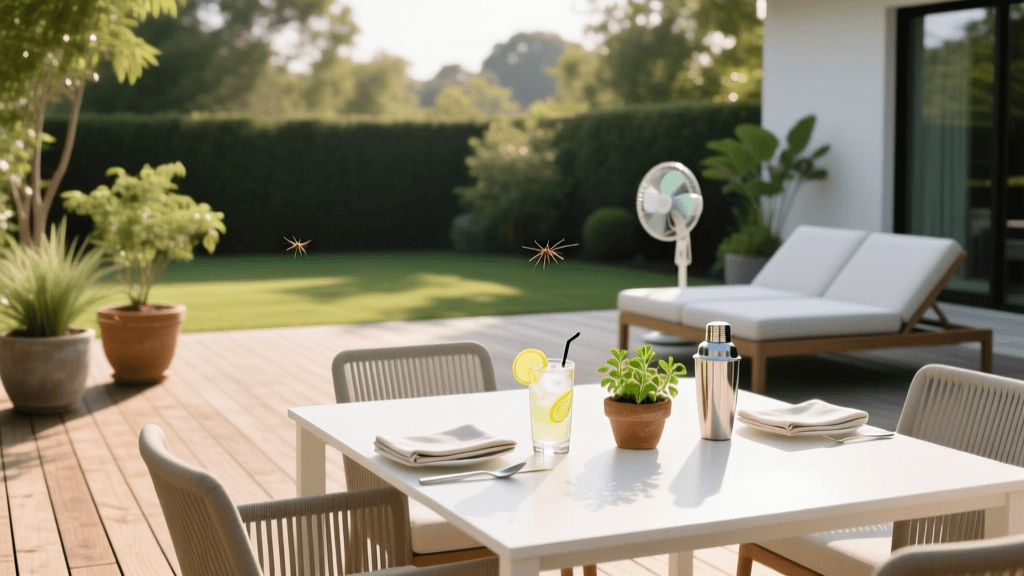
Pest-Free Patios: Mosquito and Ant Control for Entertaining
The Impact of Pests on Outdoor Entertaining and Curb Appeal
When you invest in luxury patio furniture, high-end outdoor kitchens, and manicured landscape beds, your goal is to create an inviting outdoor oasis. However, nothing ruins a sophisticated evening gathering or a weekend barbecue faster than a swarm of biting mosquitoes or a trail of ants invading your charcuterie board. True curb appeal and outdoor hospitality extend beyond visual aesthetics; they encompass the entire sensory experience of your landscape. If your guests are constantly swatting insects or avoiding the edges of your patio due to pest activity, the functional value of your outdoor investment is severely compromised.
Integrated Pest Management (IPM) for outdoor entertaining spaces requires a strategic approach that balances immediate relief with long-term prevention. Because patios and outdoor kitchens are high-traffic areas for both humans and pets, the pest control methods you choose must be highly effective yet safe for use around food preparation zones and gathering spaces. This guide breaks down actionable, professional-grade strategies to reclaim your patio airspace and protect your hardscaping from the two most notorious party crashers: mosquitoes and ants.
Mosquito Management: Reclaiming Your Patio Airspace
Mosquitoes are drawn to the carbon dioxide we exhale, the warmth of our bodies, and the shaded, humid microclimates often found around lush landscape beds and patio pergolas. To protect your entertaining areas, you must attack the mosquito life cycle at both the larval and adult stages.
Eliminating Breeding Grounds in Decorative Features
Decorative water features, birdbaths, rain chains, and even the saucers beneath your potted citrus trees are prime real estate for mosquito breeding. A female mosquito needs only a bottle cap full of stagnant water to lay hundreds of eggs. While dumping standing water is the best prevention, it is not always practical for permanent decorative features like koi ponds or built-in waterfalls.
For these permanent fixtures, Environmental Protection Agency (EPA) guidelines recommend the use of BTI (Bacillus thuringiensis israelensis). BTI is a naturally occurring soil bacterium that produces proteins toxic only to mosquito, black fly, and fungus gnat larvae. It is completely harmless to humans, pets, birds, and fish. By dropping a quarter of a BTI dunk (costing roughly $2 to $3 per treatment) into a birdbath or small water feature, you can prevent larvae from maturing for up to 30 days. For larger ponds, BTI bits can be broadcast across the water surface, ensuring your landscape's water features remain beautiful without becoming pest nurseries.
Spatial Repellents vs. Barrier Sprays
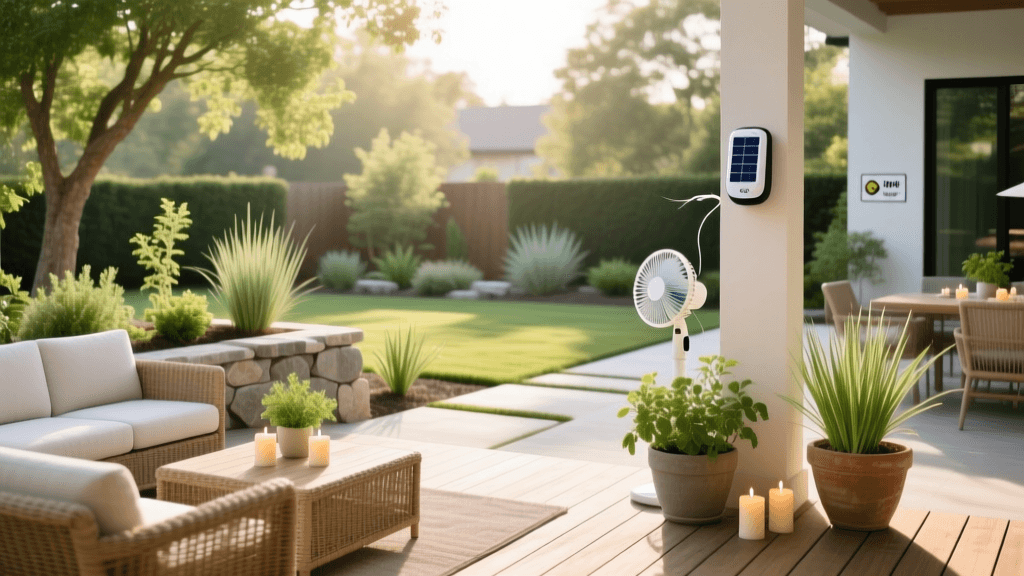
For adult mosquitoes, homeowners often rely on citronella candles, which are largely ineffective beyond a one-foot radius. Instead, invest in spatial repellents that utilize metofluthrin or allethrin. Devices like the Thermacell E55 (approx. $30) heat a repellent mat or liquid cartridge, creating an invisible 15-to-20-foot dome of protection. This is ideal for placing on the center of your outdoor dining table or near your lounge seating.
If you are hosting a large, catered event, consider a professional botanical barrier spray applied to the foliage surrounding your patio. Sprays containing micro-encapsulated garlic oil or rosemary oil (such as Garlic Shield) can deter mosquitoes for 10 to 14 days without leaving harsh chemical residues on your patio furniture. Apply these sprays to the underside of leaves in your perimeter shrubs, where mosquitoes rest during the heat of the day.
Ant Control: Protecting Outdoor Kitchens and Paver Joints
While mosquitoes attack from above, ants invade from below. Outdoor kitchens, built-in grills, and paver patios provide the perfect combination of food sources, moisture, and shelter for ant colonies. Pavement ants and carpenter ants are particularly notorious for undermining the structural integrity of paver joints and foraging aggressively around dropped food debris.
According to the University of Florida IFAS Extension, pavement ants thrive in the warm, protected microclimates found beneath concrete slabs, stone pavers, and retaining walls. When you host a party, the vibrations of foot traffic and the abundance of spilled sugary drinks can trigger massive foraging swarms that quickly overrun your patio.
Baiting vs. Perimeter Treatments
Avoid using aerosol contact sprays (like standard RAID) on your patio when you see ants. These sprays only kill the visible foragers and cause the colony to panic and splinter, creating multiple new colonies in a process known as budding. Instead, use slow-acting liquid baits containing Borax or Indoxacarb (such as Terro Liquid Ant Baits or Advion Ant Gel). Place these bait stations discreetly behind your outdoor kitchen appliances or along the base of your retaining walls. The worker ants will carry the toxic bait back to the queen, eliminating the colony at its source within 48 to 72 hours.
For long-term prevention, apply a non-repellent liquid insecticide containing Fipronil (such as Taurus SC) to the soil perimeter surrounding your patio and outdoor kitchen foundation. Mix 0.8 fluid ounces of Fipronil per gallon of water and apply it as a trench treatment. Because it is non-repellent, ants cannot detect it; they will walk through the treated soil and transfer it to the rest of the colony. A single application costs about $40 to $60 for a concentrate that treats thousands of square feet and provides residual control for up to 90 days.
Managing Paver Joint Ants
If ants are pushing up sand and soil through the joints of your beautiful stone pavers, you need a localized, physical deterrent. Food-grade Diatomaceous Earth (DE) is an excellent, low-cost solution (approx. $15 for a 4lb bag). DE is composed of fossilized algae with microscopic, razor-sharp edges that lacerate the exoskeletons of crawling insects, causing them to dehydrate. Sweep a generous amount of DE into the dry paver joints around your dining area. Note that DE loses its efficacy when wet, so it must be reapplied after heavy rains or if you use a sprinkler system near the patio.
Curb Appeal Landscaping for Natural Pest Deterrence
Your landscape design plays a crucial role in pest management. Overgrown shrubs and dense groundcovers trap humidity and block the wind, creating ideal resting zones for mosquitoes and hidden highways for ants. To improve both curb appeal and pest resistance, practice strategic pruning. Thin out the interior branches of shrubs located within 10 feet of your patio to promote airflow and allow sunlight to penetrate the soil, naturally drying out damp areas where pests breed.
Additionally, incorporate pest-repellent plants into your patio container gardens and border beds. While no plant will entirely eliminate pests on its own, the essential oils released by Lavender (Lavandula angustifolia), Marigolds (Tagetes), and Citronella Grass (Cymbopogon nardus) can help mask the human scents that attract mosquitoes. Plant these in high-traffic areas near your seating arrangements, and gently bruise the leaves before guests arrive to release their aromatic oils into the evening air.
Comparison Chart: Patio Pest Control Methods
| Method | Target Pest | Est. Cost | Pet/Kid Safety | Duration |
|---|---|---|---|---|
| BTI Dunks/Bits | Mosquito Larvae | $10-$15 | Extremely High | 30 Days |
| Spatial Repellent Device | Adult Mosquitoes | $30-$50 | High | 6-12 Hours |
| Fipronil Drench | Ant Colonies | $40-$60 | Moderate (Safe when dry) | 60-90 Days |
| Diatomaceous Earth | Crawling Insects | $15-$20 | High (Use Food Grade) | Until wet |
| Botanical Barrier Spray | Adult Mosquitoes | $25-$45 | High | 10-14 Days |
Pre-Party Pest Control Timeline
To ensure your outdoor space is flawless for your next major event, follow this actionable timeline:
- 4 Weeks Out: Inspect your patio perimeter and outdoor kitchen foundation. Apply a Fipronil soil drench to eliminate hidden ant colonies before they establish foraging trails.
- 2 Weeks Out: Clean out all decorative water features, birdbaths, and plant saucers. Apply fresh BTI dunks to any standing water that cannot be drained. Prune back dense foliage bordering the patio to increase airflow.
- 1 Week Out: Place slow-acting ant bait stations behind outdoor appliances and grills. Sweep Food Grade Diatomaceous Earth into dry paver joints and along the edges of your retaining walls.
- Day Of the Event: Turn on your spatial repellent devices (like Thermacell) 30 minutes before guests arrive. Bruise the leaves of your potted lavender and marigolds to release their natural oils. Ensure all food is covered until serving to prevent immediate ant attraction.
By combining proactive landscape maintenance with targeted, science-backed treatments, you can ensure your patio remains a pristine, luxurious extension of your home. For further reading on safe pest management around the home and garden, the National Pesticide Information Center (NPIC) provides excellent, unbiased fact sheets on the environmental impact and safe usage of biological controls like BTI. Protecting your outdoor oasis is an ongoing process, but with the right IPM strategies, your curb appeal will be matched only by the comfort of your outdoor entertaining experience.