Pest Control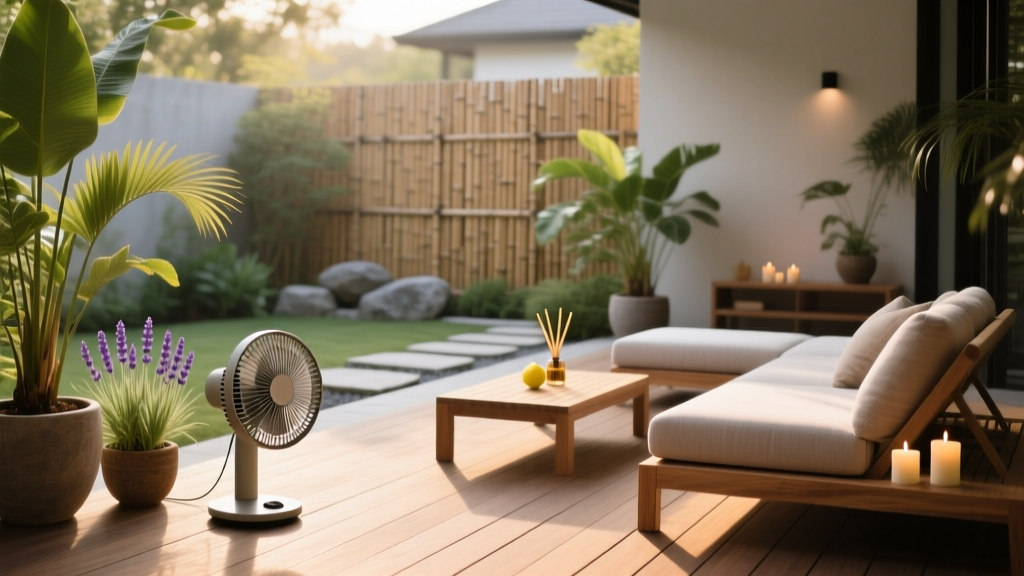
Pest-Free Patios: Mosquito & Tick Control for Outdoor Entertaining
James MillerPublished
The Intersection of Curb Appeal and Pest Control
There is nothing quite like hosting a summer barbecue or an elegant evening dinner party on a beautifully landscaped patio. However, the ambiance of your outdoor entertaining space can be instantly ruined by the high-pitched whine of mosquitoes or the hidden threat of ticks lurking in the perimeter garden beds. When designing and maintaining your outdoor living areas, balancing pristine curb appeal with effective pest management is essential. You want your guests to be comfortable, but you also want to avoid cluttering your beautiful deck with unsightly bug zappers, sticky traps, or harsh-smelling chemical sprays that ruin the culinary experience.
Integrated Pest Management (IPM) offers a sophisticated approach to this dilemma. By combining strategic landscaping, discreet technology, and targeted biological controls, you can create a pest-free entertainment zone that looks as good as it functions. In this guide, we will explore how to protect your patio, deck, and outdoor kitchen from biting insects without compromising the aesthetic integrity of your home's exterior.
Designing a Pest-Resistant Entertainment Zone
The foundation of any successful outdoor pest control strategy begins with the landscape design itself. Mosquitoes and ticks thrive in specific microclimates that are often inadvertently created during the landscaping process. By modifying the environment immediately surrounding your patio, you can naturally deter these pests.
Water Management and Drainage
Mosquitoes require only half an inch of standing water to breed. While obvious sources like birdbaths and kiddie pools are easy to manage, hidden water traps are the real culprits. Ensure that your patio grading slopes away from the entertainment area and the home's foundation. Incorporate aesthetic drainage solutions, such as dry creek beds filled with river rock or decorative French drains, to eliminate puddling in low-lying garden beds. According to the Environmental Protection Agency (EPA), eliminating standing water is the single most effective step homeowners can take to reduce local mosquito populations without relying on chemical interventions.
Creating a Tick-Safe Perimeter
Ticks do not fly or jump; they wait on the tips of tall grasses and shrubs to attach to passing hosts. The transition zone between your manicured lawn and wooded or overgrown areas—known as the ecotone—is where ticks are most prevalent. To protect your patio, create a 3-foot-wide barrier of dry wood chips, gravel, or mulch between your entertainment lawn and any dense bordering vegetation. This dry, sun-baked barrier is highly unappealing to ticks and creates a visually striking landscape border that enhances your yard's curb appeal while keeping guests safe from Lyme disease-carrying pests. For more detailed guidance on habitat modification, the Penn State Extension provides excellent resources on creating tick-safe zones in residential landscapes.
Discreet Technology and Airflow Solutions
When you are actively entertaining, you need immediate, on-demand pest control that does not produce smoke, loud noises, or offensive odors. Modern outdoor technology provides elegant solutions that blend seamlessly into your patio decor.
The Power of Strategic Airflow
Mosquitoes are notoriously weak fliers, typically navigating the air at speeds of only 1 to 1.5 miles per hour. They cannot navigate wind currents exceeding 10 miles per hour. By strategically placing large, aesthetically pleasing oscillating fans or overhead ceiling fans around your seating and dining areas, you create an invisible shield that grounds mosquitoes and disperses the carbon dioxide and lactic acid plumes that attract them. A high-velocity outdoor fan not only keeps guests cool but serves as one of the most effective, chemical-free mosquito deterrents available.
Spatial Repellents and Metofluthrin Devices
Traditional citronella candles offer a warm, romantic glow but have a very limited effective radius and can be easily blown out by the wind. For superior protection, consider modern spatial repellents that use metofluthrin or allethrin. Devices like the Thermacell E55 or the Liv smart repellent system heat a small mat or liquid cartridge to create a 15-to-20-foot dome of protection. These devices are compact, odorless, and smokeless, ensuring that the aroma of your grilled food and the scent of your garden flowers remain the focal points of your evening.
Targeted Biological and Chemical Controls
For long-term protection of the entertainment perimeter, targeted treatments are necessary to keep pest populations from rebounding between gatherings.
Biological Controls: BTI for Water Features
If your patio design includes a decorative water feature, pond, or rain barrel, you must treat the water to prevent it from becoming a mosquito nursery. Bacillus thuringiensis israelensis (BTI) is a naturally occurring bacterium that is highly toxic to mosquito and black fly larvae but completely harmless to humans, pets, birds, and beneficial insects. BTI is commonly sold in the form of 'Mosquito Dunks' or 'Bits'. Simply dropping a dunk into your water feature provides up to 30 days of biological control, keeping the water crystal clear and pest-free.
Tick Tubes for the Garden Perimeter
Tick tubes are a brilliant, low-impact solution for controlling ticks in the garden beds surrounding your patio. These biodegradable cardboard tubes are filled with cotton treated with permethrin. Field mice, which are the primary carriers of tick-borne diseases, gather this cotton to build their nests. The permethrin transfers to the mice's fur, killing the ticks that feed on them before they can mature and drop into your yard. Placing these tubes discreetly under shrubs and along stone walls every 10 feet in the spring and fall drastically reduces the local tick population without requiring broadcast chemical spraying.
Patio Pest Control Method Comparison
Choosing the right combination of tools depends on your specific patio layout, budget, and aesthetic preferences. Below is a comparison of the most popular entertainment-area pest control methods.
| Method | Aesthetic Impact | Effectiveness | Estimated Cost | Best Application |
|---|---|---|---|---|
| Oscillating Fans | High (Adds to comfort and decor) | Very High (Grounds mosquitoes) | $50 - $250 | Dining tables, seating areas |
| Spatial Repellents (e.g., Thermacell) | High (Discreet, odorless) | High (15-20 ft radius) | $25 - $300 (plus refills) | Patios, decks, outdoor kitchens |
| BTI Dunks/Bits | Neutral (Hidden in water) | Very High (Larvicidal) | $10 - $20 | Ponds, birdbaths, rain barrels |
| Permethrin Tick Tubes | High (Hidden in foliage) | High (Targets tick hosts) | $20 - $50 per box | Shrub borders, stone walls |
| Synthetic Barrier Sprays | Neutral (Invisible, but risky to blooms) | High (Lasts 3-4 weeks) | $150 - $300 (Professional) | Perimeter foliage, away from patio |
Chemical Barrier Sprays: Pros, Cons, and Curb Appeal
Professional barrier sprays, typically utilizing synthetic pyrethroids like bifenthrin or lambda-cyhalothrin, are highly effective at eliminating adult mosquitoes and ticks from the foliage surrounding your entertainment area. These treatments are applied to the underside of leaves and dense shrubs where pests rest during the heat of the day. A single application can provide three to four weeks of relief, making it a popular choice for homeowners preparing for a major outdoor event like a wedding or a graduation party.
However, barrier sprays must be applied with extreme care to protect your garden's curb appeal and ecological balance. Pyrethroids are broad-spectrum insecticides and are highly toxic to bees and other beneficial pollinators. To protect your blooming flower beds and maintain the health of your garden, instruct your pest control technician to avoid spraying any flowering plants, herb gardens, or areas immediately adjacent to water features. The American Mosquito Control Association strongly advocates for targeted applications rather than broadcast spraying to preserve beneficial insect populations.
Lighting and Ambiance: What Attracts Bugs?
The lighting you choose for your patio plays a massive role in pest attraction. Traditional incandescent bulbs and cool-white LEDs emit high levels of ultraviolet (UV) and blue light, which act as a beacon for moths, beetles, and the midges that attract larger predators. To maintain a sophisticated ambiance while reducing insect activity, switch your outdoor fixtures to warm-white LEDs (2700K or lower). While 'yellow bug lights' do not repel insects, they simply emit a wavelength that insects cannot see well, making your patio far less of a target. Combine warm LED string lights with strategic uplighting in trees to create a dramatic, high-end resort feel that naturally minimizes airborne insect swarms.
Preparing the Patio for an Event: A Timeline
To ensure a flawless, pest-free experience for your guests, follow this preparation timeline leading up to your outdoor event:
- 3 to 4 Weeks Before: Schedule a professional barrier spray treatment for the perimeter foliage (avoiding blooming flowers). Inspect the yard for any drainage issues and install dry creek beds or French drains if necessary.
- 1 Week Before: Deploy permethrin tick tubes along the garden borders. Clean out gutters and empty any saucers beneath potted plants on the deck to eliminate hidden mosquito breeding sites.
- 2 Days Before: Trim back any overhanging branches or dense shrubs that encroach on the patio space to increase sunlight and airflow, making the area less hospitable to resting pests.
- Day of the Event: Set up oscillating fans to cross-breeze the dining area. Activate spatial repellents 30 minutes before guests arrive. Light citronella or lemongrass candles purely for their aesthetic glow and subtle fragrance, relying on the fans and repellents for the heavy lifting.
Conclusion
Achieving a pest-free patio does not require sacrificing the beauty and elegance of your outdoor living space. By integrating smart landscaping techniques, leveraging discreet airflow and spatial repellent technologies, and utilizing targeted biological controls like BTI and tick tubes, you can host memorable outdoor gatherings in total comfort. Prioritizing these integrated pest management strategies ensures that your curb appeal remains immaculate, your garden ecosystem stays balanced, and your guests can focus on enjoying the evening rather than swatting away the bugs.