Pest Control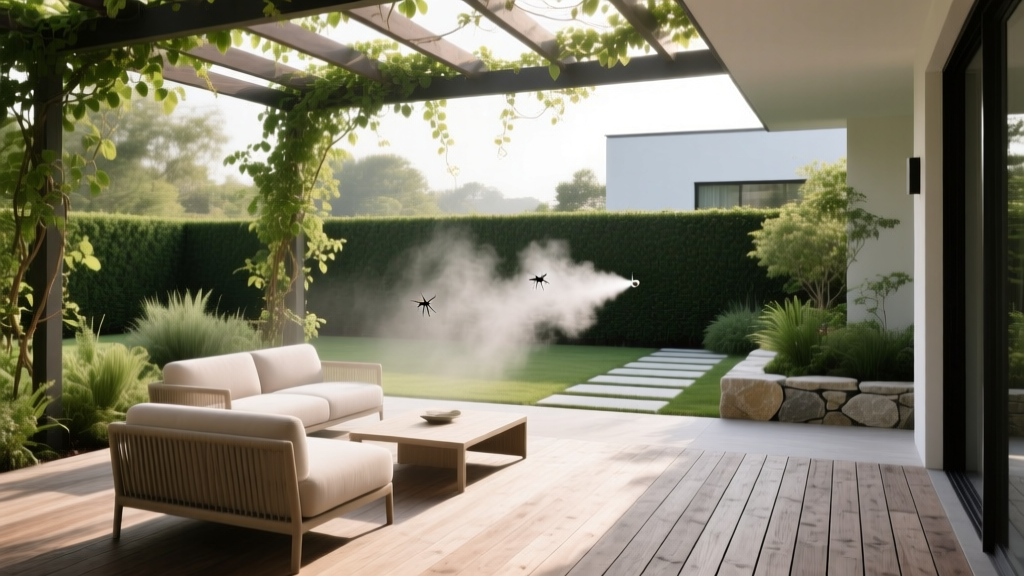
Pest-Free Patios: Mosquito & Tick Control for Entertaining
Mike RodriguezPublished
The Intersection of Curb Appeal and Pest Management
Designing a stunning outdoor living space is a major investment in your home's curb appeal and your personal lifestyle. Whether you are installing a new paver patio, building a custom pergola, or cultivating lush perimeter garden beds, the ultimate goal is to create an inviting oasis for family and friends. However, nothing ruins an elegant summer barbecue or a quiet evening on the deck faster than a swarm of biting mosquitoes or the hidden threat of disease-carrying ticks. For homeowners who prioritize high-end landscaping and outdoor entertaining, traditional pest control methods often present a dilemma. Bulky citronella buckets, harsh-smelling chemical foggers, and unsightly trap boxes can easily detract from a meticulously designed landscape. Fortunately, modern Integrated Pest Management (IPM) offers sophisticated, highly effective solutions that protect your guests without compromising your property's aesthetic integrity. By combining strategic landscaping, targeted organic treatments, and discreet spatial repellents, you can maintain a flawless, pest-free entertaining environment all season long.
Aesthetic Mosquito Control for Patios and Decks
Mosquitoes are the ultimate party crashers, drawn to the carbon dioxide and body heat generated by your gathering guests. To keep them at bay without resorting to toxic, foul-smelling aerosol sprays, you must address the environmental conditions that allow them to thrive near your entertaining spaces. The Environmental Protection Agency (EPA) emphasizes that source reduction and targeted biological controls are the most effective long-term strategies for mosquito management in residential areas.
Managing Water Features Without Chemicals
Many high-end landscapes incorporate water features such as koi ponds, cascading fountains, or architectural birdbaths to enhance curb appeal. While moving water generally deters mosquito breeding, stagnant edges or decorative plant saucers can become prime nurseries for larvae. Instead of draining these features or treating them with harsh chemicals, utilize Bacillus thuringiensis israelensis (Bti). Commonly sold as Mosquito Dunks or Bits, Bti is a naturally occurring bacterium that specifically targets mosquito and black fly larvae while remaining completely harmless to fish, birds, pets, and beneficial pollinators. A standard six-pack of dunks costs around $10 and can protect water features for up to 30 days. Simply anchor a dunk in the center of your pond or fountain, or break the bits into smaller pieces to scatter across shallow bog gardens and hidden saucers beneath your patio potted plants.
Landscaping for Airflow and Sunlight
Mosquitoes are notoriously weak fliers and seek out damp, shaded, and windless areas to rest during the heat of the day. You can dramatically reduce mosquito populations near your patio by modifying your landscaping to increase sunlight penetration and cross-breeze airflow. Trim back dense, broadleaf shrubs like rhododendrons and hostas that border your deck, ensuring foliage is pruned at least 18 inches above the soil line. This simple technique eliminates the cool, humid microclimates where adult mosquitoes hide. Additionally, keep ornamental grasses neatly trimmed and ensure that ivy or creeping groundcovers do not encroach upon your hardscaping. By opening up the canopy around your entertaining zone, you create a natural, breezy environment that is inherently hostile to resting mosquitoes.
Tick-Safe Zones: Landscaping for Perimeter Defense
While mosquitoes ruin the immediate patio experience, ticks pose a severe health risk to guests wandering through your lawn or playing near the property's edge. Ticks thrive in the transitional zones between manicured turf and wilder, wooded areas. According to the EPA Tick Control Guidelines, creating a physical and chemical barrier between your recreational lawn and dense vegetation is a cornerstone of residential tick management.
The 3-Foot Hardscaping Rule
One of the most effective and aesthetically pleasing ways to deter ticks is by installing a transitional border around the perimeter of your lawn or patio area. Ticks require high humidity to survive and rarely cross dry, hot, or exposed surfaces. By installing a 3-foot-wide border of dry wood chips, crushed gravel, or decorative river rock between your lawn and any adjacent brush or stone walls, you create a desiccating barrier that ticks cannot easily cross. From a curb appeal perspective, this 3-foot border can be designed as a deliberate, elegant landscaping choice—such as a dry creek bed or a meticulously edged mulch bed that highlights your perimeter trees—while simultaneously functioning as a highly effective tick-safe zone.
Targeted Perimeter Treatments
For the shrubs, retaining walls, and perimeter plantings that border your entertaining spaces, targeted barrier sprays are essential. If you prefer organic methods to protect local pollinators, cedarwood oil-based products like Cedarcide Yard Spray are excellent choices. A 32-ounce hose-end sprayer costs approximately $35 and covers up to 4,000 square feet. Cedar oil acts as a powerful repellent and contact insecticide, suffocating soft-bodied insects and masking the scent of human hosts. For a more robust, long-lasting chemical barrier, professional-grade Bifenthrin (such as Talstar P) is the industry standard. A 3/4-quart bottle costs around $25 and, when mixed at a rate of 1 ounce per gallon of water, provides up to 30 days of residual control. Apply these treatments to the lower 3 feet of perimeter shrubs, stone walls, and shaded leaf litter, avoiding direct application to flowering plants where bees forage.
Comparison Chart: Patio Pest Control Methods
Choosing the right combination of treatments depends on your budget, the severity of the infestation, and your landscaping goals. The following table compares the most effective pest control methods for outdoor entertaining spaces:
| Method | Target Pests | Est. Cost | Aesthetic Impact | Duration |
|---|---|---|---|---|
| Bti Dunks / Bits | Mosquito Larvae | $10 - $15 | Invisible / Hidden in water | 30 Days |
| Cedar Oil Spray | Adult Mosquitoes, Ticks | $35 (32 oz) | Pleasant woodsy scent | 7 - 14 Days |
| Bifenthrin Spray | Ticks, Mosquitoes, Fleas | $25 (3/4 qt) | Odorless, invisible residue | 21 - 30 Days |
| Spatial Repellents (e.g., Thermacell) | Mosquitoes, Biting Flies | $30 - $50 | Modern, discreet device | 4 - 12 Hours |
| 3-Foot Gravel / Mulch Border | Ticks | $150 - $400 | Enhances landscape design | Permanent (Seasonal refresh) |
Timing and Application for Maximum Efficacy
To ensure your patio is completely protected for a major outdoor event, timing your treatments is critical. If you are using a synthetic barrier spray like Bifenthrin, apply the treatment 24 to 48 hours before your gathering. This allows the chemical to dry completely and bind to the foliage, ensuring it will not wash away if you need to water your garden beds or if a light summer shower passes through. For organic cedar oil sprays, apply the product in the early morning or late evening when pollinators are less active, and reapply every 7 to 14 days, or immediately after a heavy rainfall. Always use a pump sprayer with an adjustable nozzle to reach the undersides of leaves and deep into the thatch layer of your lawn, where pests seek refuge from the sun.
Integrated Pest Management (IPM) for Entertaining Spaces
True outdoor comfort relies on a holistic approach to pest management. Beyond chemical and organic sprays, consider integrating biological controls and structural enhancements into your landscape design. For instance, installing a beautifully crafted bat house on a tall pole or the side of a garden shed provides an elegant architectural focal point while inviting natural predators that can consume thousands of mosquitoes per night. Similarly, deploying discreet spatial repellents, such as the Thermacell E55, directly on your outdoor dining table or patio coffee table creates a 20-foot invisible shield of protection without the smoke, flames, or overpowering odors associated with traditional citronella candles. By combining smart hardscaping, targeted biological agents, and strategic perimeter treatments, you can elevate your curb appeal and guarantee that your outdoor entertaining spaces remain beautiful, welcoming, and entirely pest-free. For more localized advice on biological controls and mosquito habitats, consult resources like Penn State Extension to tailor your IPM strategy to your specific regional climate.