Pest Control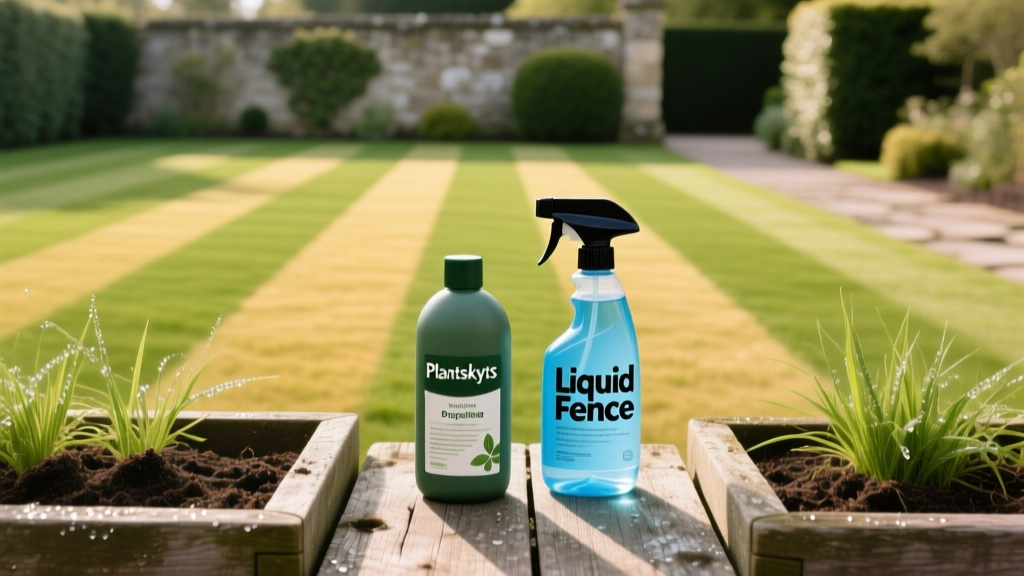
Plantskydd vs Liquid Fence 2026: Protect Striped Lawn Borders
Robert HayesPublished
The Intersection of Lawn Striping and Perimeter Pest Control
For dedicated lawn care enthusiasts in 2026, achieving the perfect checkerboard, diamond, or wave pattern on a turfgrass canvas is only half the battle. The true hallmark of a professionally striped lawn lies in its framing. The crisp, clean edges and the lush ornamental borders that surround your turf provide the necessary visual contrast that makes geometric mowing patterns pop. However, local deer populations view these meticulously maintained perimeter plantings—such as hostas, daylilies, and tender ornamental grasses—as an all-you-can-eat buffet.
When deer browse on your border plants, they do not just eat the foliage; they trample the turf edges, compact the soil, and destroy the sharp, defined boundaries required for high-end lawn striping. A ruined border instantly degrades the optical illusion of a striped lawn, turning a masterpiece of landscape geometry into a chaotic, patchy mess. To maintain the aesthetic integrity of your striped yard, implementing a robust Integrated Pest Management (IPM) strategy focused on deer deterrence is non-negotiable. In 2026, the two undisputed heavyweights in the organic deer repellent market are Plantskydd and Liquid Fence. But which one is better suited for the meticulous lawn striping enthusiast?
The Aesthetic Threat: Deer Damage on Striped Lawns
Before diving into the chemical and organic profiles of these repellents, it is crucial to understand how deer interact with a striped landscape. Deer are creatures of habit and edge-preference. They prefer to feed on the periphery of open spaces where they can quickly retreat to wooded cover. This means your lawn's carefully striped edges and the ornamental beds that frame them are ground zero for deer damage.
According to wildlife management experts at the Rutgers New Jersey Agricultural Experiment Station, deer browsing not only removes plant tissue but also causes severe mechanical damage to surrounding turf through hoof traffic. For a lawn striper, this hoof traffic creates depressed, matted pathways that disrupt the light-reflecting angles of your grass blades, effectively erasing your striping patterns in those zones. Therefore, the ideal deer repellent must not only protect the border plants but also do so without leaving unsightly residues or phytotoxic burns on the adjacent turf.
Plantskydd: The Predator-Based Protector
Plantskydd operates on a fundamentally different psychological level than most repellents. Instead of relying on bad tastes or foul odors to deter deer after they have already taken a bite, Plantskydd utilizes a fear-based response. The active ingredient is emulsified dried blood (blood meal). To a deer, this scent signals the presence of a predator, triggering an instinctual flight response before they even approach your pristine lawn borders.
Aesthetic and Turf Benefits
For lawn striping aficionados, Plantskydd offers a massive aesthetic advantage: it is virtually undetectable once dry. It sprays on with a reddish-brown tint but dries completely clear within a few hours. More importantly, because it is OMRI-listed and organic, overspray onto your freshly striped Kentucky Bluegrass or Bermuda turf will not burn the grass blades. In fact, the trace nitrogen in the blood meal can act as a mild, localized foliar fertilizer. The primary drawback is the initial odor during application, which smells strongly of a slaughterhouse, though this becomes entirely undetectable to the human nose once the product dries.
Liquid Fence: The Scent-Barrier Standard
Liquid Fence has been a staple in garden centers for years and remains a top contender in 2026. Its primary active ingredients are putrescent egg solids (4.64%) and garlic oil, supplemented by capsaicin. Rather than triggering a predator fear response, Liquid Fence relies on olfactory and gustatory aversion. It smells and tastes terrible to foraging herbivores, convincing them that the plants in your border beds are rotting or unpalatable.
Aesthetic and Turf Considerations
While highly effective, Liquid Fence presents a few challenges for the aesthetic perfectionist. The putrescent egg and garlic odor is incredibly pungent and can linger in the air around your patio and striped lawn for several days after application, especially in humid 2026 summer conditions. Furthermore, if applied too heavily or in direct, hot sunlight, the egg solids can leave a faint, chalky film on the waxy leaves of ornamental border plants like hostas. This residue disrupts the natural gloss of the leaves, slightly diminishing the visual crispness of your landscape framing. According to guidelines from Penn State Extension, proper dilution and application timing are critical to prevent plant stress and foliar residue when using egg-based repellents.
Head-to-Head Comparison: 2026 Formulations
To help you decide which product aligns best with your lawn striping and maintenance schedule, review the comparison table below detailing the core metrics of both repellents.
| Feature | Plantskydd (Animal Repellent) | Liquid Fence (Deer & Rabbit) |
|---|---|---|
| Active Mechanism | Fear response (Predator scent) | Aversion (Rotting egg/garlic scent) |
| Primary Active Ingredient | Dried Blood (Emulsified) | Putrescent Egg Solids (4.64%) |
| Human Odor Profile | Strong when wet; odorless when dry | Pungent garlic/egg; lingers for days |
| Visual Residue on Plants | Dries completely clear | Can leave chalky film if over-applied |
| Rain Resistance | Excellent (binds to plant tissue) | Moderate (requires reapplication after heavy rain) |
| Reapplication Frequency | Every 3-4 months (growing season) | Every 3-4 weeks (growing season) |
| Approx. 2026 Cost (32oz RTU) | $18.00 - $22.00 | $14.00 - $17.00 |
Application Strategies for Lawn Striping Enthusiasts
Integrating deer repellent application into a strict lawn striping routine requires careful timing. You do not want to spray liquid repellents and then immediately run a heavy zero-turn mower over the area, as the exhaust and tire tracks can compromise the product before it sets. Follow this optimized 2026 workflow to protect your borders without disrupting your turf patterns:
Step 1: Mow and Stripe First
Always complete your mowing, edging, and striping routine before applying any liquid repellents. Pushing a mower or dragging a striping kit through wet, freshly sprayed border plants will wipe the repellent off the foliage and deposit it onto your turf, potentially creating uneven odors or minor organic staining on light-colored grass varieties.
Step 2: Edge and Blow
After striping, use your string trimmer to edge the borders, creating that razor-sharp line between the turf and the ornamental beds. Follow up with a backpack blower to remove all clippings from the border plants. Applying repellent to dusty or debris-covered leaves reduces adhesion and efficacy.
Step 3: Targeted Repellent Application
Apply your chosen repellent (Plantskydd or Liquid Fence) directly to the ornamental border plants, focusing on the new growth and the outer edges of the bed facing the wooded areas. If using Liquid Fence, apply a light, even mist to avoid the chalky residue that ruins the aesthetic of glossy leaves. If using Plantskydd, ensure you coat the stems as well as the leaves, as the predator scent needs to create a 3D olfactory barrier around the perimeter of your striped canvas.
Step 4: The Drying Window
Allow the product to dry completely. Plantskydd typically requires 2 to 4 hours of dry time to become rain-fast and odorless to humans. Liquid Fence may take slightly longer to cure and will retain its odor. Plan your outdoor leisure activities accordingly, ensuring you do not host a backyard gathering immediately after spraying Liquid Fence.
Expert Insights on Long-Term IPM
While repellents are highly effective, the United States Environmental Protection Agency (EPA) reminds consumers that all pest control products, including organic repellents, should be used as part of a broader Integrated Pest Management strategy. For lawn stripers, this means combining chemical deterrents with physical and biological strategies.
Consider incorporating deer-resistant ornamental grasses like Miscanthus or tough perennials like Russian Sage into your border designs. These plants naturally deter browsing while providing the verticality and texture needed to frame a striped lawn beautifully. Furthermore, rotating your repellents every few seasons can prevent local deer herds from habituating to a single scent profile, ensuring your pristine lawn borders remain untouched year after year.
The Final Verdict for 2026
When it comes to protecting the aesthetic perfection of a striped lawn, Plantskydd emerges as the superior choice for the meticulous homeowner. Its fear-based mechanism stops deer before they even step onto your carefully manicured turf edges, and its clear-drying, rain-resistant formula ensures that your ornamental borders remain glossy, vibrant, and perfectly framed. While Liquid Fence is a highly effective and slightly more budget-friendly option, its lingering odor and potential for foliar residue make it less ideal for those who treat their lawn and landscape as a unified, visual masterpiece. By choosing the right repellent and integrating it seamlessly into your mowing schedule, you can ensure your 2026 lawn stripes remain sharp, clean, and entirely deer-free.