
Landscaping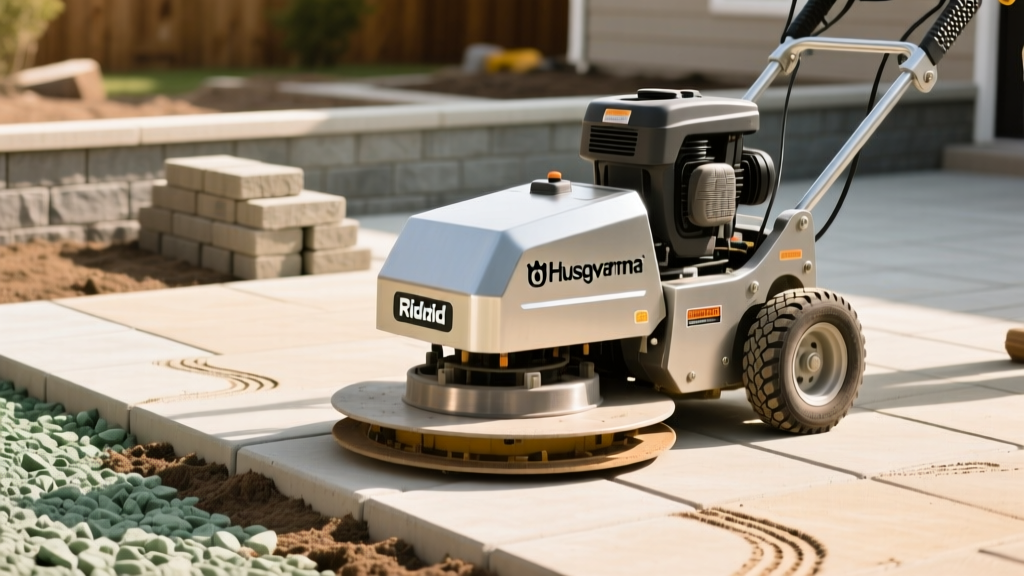
Best Plate Compactors for Paver Patios and Hardscaping
Lisa ThompsonPublished
The Critical Role of Compaction in Hardscaping
When designing and installing outdoor living spaces, the visual appeal of natural stone or concrete pavers often steals the spotlight. However, any seasoned landscape contractor knows that the true longevity of a hardscaping project lies entirely out of sight: in the compacted base. According to the Interlocking Concrete Pavement Institute (ICPI), improper base compaction is the leading cause of paver settling, frost heave, and structural failure in residential and commercial landscapes. A beautifully laid patio will quickly degrade into a tripping hazard if the underlying soil and aggregate base are not properly densified.
For DIY landscapers and professional hardscapers alike, selecting the right plate compactor is not just a matter of convenience; it is a structural necessity. This comprehensive guide will walk you through the essential specifications, types, and best practices for using motorized earth compactors in your landscaping projects.
Forward vs. Reversible Plate Compactors
Before diving into specific engine sizes and force metrics, it is crucial to understand the two primary categories of plate compactors available on the market.
Forward Plate Compactors
Forward plates are designed to move in only one direction. They are typically lighter, more maneuverable, and less expensive than their reversible counterparts. In landscaping, forward plates are the go-to tool for compacting granular soils, crushed stone bases, and bedding sand. They are also the standard choice for the final compaction of the pavers themselves, as their smooth, unidirectional glide minimizes the risk of scuffing the paver surface.
Reversible Plate Compactors
Reversible plates can move both forward and backward, making them ideal for working in tight spaces like narrow trenches or against retaining walls where turning the machine around is impossible. They are significantly heavier and generate much higher compaction forces. Landscapers use reversible plates for deep base compaction, cohesive soils (like clay), and heavy-duty commercial driveway preparation. However, they are generally not recommended for the final compaction of the pavers due to their aggressive vibration and weight, which can crack or chip delicate stone edges.
Key Specifications to Evaluate
When browsing equipment rental yards or dealer showrooms, you will encounter a variety of technical specifications. Here is how to decode the numbers to find the right tool for your garden bed borders, walkways, or expansive patios.
Centrifugal Force (Compaction Force)
Measured in pounds or kilonewtons (kN), centrifugal force is the most critical metric for determining how deeply the machine can compact the soil. A higher centrifugal force allows you to compact thicker layers of aggregate in a single pass, known as a lift. For standard residential paver patios requiring a 4 to 6 inch base of crushed gravel, a compactor generating 3,000 to 5,000 pounds of force is usually sufficient.
Frequency (Vibrations Per Minute)
Frequency, measured in VPM, dictates how fast the plate vibrates. Higher VPM (typically between 4,000 and 6,000) is excellent for compacting thin layers of bedding sand and interlocking the pavers at the surface. Lower VPM combined with high centrifugal force is better suited for deep, heavy aggregate bases.
Plate Area and Weight
The physical size of the base plate determines your coverage area. A wider plate covers more ground quickly, but it requires a more powerful engine to maintain the necessary pounds-per-square-inch (PSI) compaction rate. Ensure the machine weight is appropriately distributed across the plate area to prevent shallow, ineffective compaction.
Compaction Force Guide for Hardscaping Projects
To help you match the equipment to your specific landscaping needs, refer to the data table below. This chart aligns centrifugal force with ideal base lift thickness and project types.
| Centrifugal Force (lbs) | Ideal Base Depth (Per Lift) | Best Project Application |
|---|---|---|
| 2,000 - 3,500 | 1 - 3 inches | Bedding sand, artificial turf bases, small garden walkways |
| 3,500 - 6,000 | 4 - 6 inches | Standard residential patios, fire pit pads, driveway pavers |
| 6,000 - 9,000 | 6 - 8 inches | Heavy-duty retaining wall bases, commercial walkways |
| 9,000+ (Reversible) | 8 - 12+ inches | Deep trench backfill, structural foundations, cohesive clay soils |
Must-Have Features for Paver Installation
Beyond raw power, the best plate compactors for hardscaping include specific features designed to protect your materials and improve job site efficiency. According to Belgard's hardscaping installation resources, protecting the surface of your pavers during the final vibration phase is paramount to maintaining the aesthetic integrity of the project.
- Polyurethane Pad (Buggy Pad): Never run a bare steel plate directly over concrete or natural stone pavers. A bolt-on polyurethane mat cushions the vibration, preventing scratches, scuffs, and micro-fractures on the paver surface.
- Integrated Water Tank: When compacting bedding sand or polymeric sand joints, the sand tends to stick to the steel plate, creating drag and uneven compaction. An integrated water tank with a sprinkler valve keeps the plate lubricated and washes away debris.
- Foldable Handle and Lift Points: Hardscaping often requires moving the machine in and out of excavated areas or loading it onto trucks. Foldable handles save space, while integrated central lift points allow for safe hoisting via excavator or crane.
- Edge Protection Guards: Some premium models feature angled side guards that prevent the plate from catching on the edges of retaining walls or adjacent garden beds.
Step-by-Step Compaction Best Practices
Owning the right equipment is only half the battle; proper technique ensures your landscape survives decades of freeze-thaw cycles and heavy foot traffic.
1. Prepare the Subgrade
Excavate the area to the required depth, accounting for the base material, bedding sand, and paver thickness. Compact the native subgrade soil first. If the native soil is highly organic or soft clay, consider using a geotextile fabric to separate it from your aggregate base.
2. Compact in Lifts
Never dump 10 inches of crushed gravel and attempt to compact it all at once. The Interlocking Concrete Pavement Institute (ICPI) strictly recommends spreading and compacting aggregate base materials in layers, or lifts, no thicker than 4 to 6 inches. Run the plate compactor over each lift at least two to three times in overlapping passes.
3. Moisture Content Matters
Granular base materials compact best when they have a slight moisture content. If the crushed stone is bone dry, lightly mist it with a garden hose before running the compactor. The water acts as a lubricant, allowing the aggregate particles to slide into a dense, interlocking configuration.
4. Final Paver Compaction
After laying the pavers and sweeping jointing sand into the cracks, attach the polyurethane pad to your forward plate compactor. Turn off the water tank to avoid washing the sand out of the joints. Run the compactor over the entire patio in multiple directions to vibrate the sand deep into the joints and lock the pavers into the bedding layer.
Renting vs. Buying: Cost Analysis
For homeowners tackling a single weekend patio project, renting is almost always the most economical choice. Equipment rental yards typically charge between $80 and $130 per day for a standard forward plate compactor. This provides access to commercial-grade, well-maintained machinery without the burden of long-term storage or engine maintenance.
However, for landscape professionals or serial DIYers who frequently install garden paths, retaining walls, and outdoor kitchens, purchasing a machine makes financial sense. A high-quality, commercial-grade forward plate compactor from reputable brands like Wacker Neuson, Bartell, or Multiquip will cost between $1,200 and $2,500. Given that a three-day rental can easily exceed $350, the machine pays for itself after just a few large projects.
Safety and Equipment Maintenance
Plate compactors generate intense, full-body vibration and loud noise. The National Association of Landscape Professionals (NALP) emphasizes the importance of strict adherence to personal protective equipment (PPE) protocols on the job site. Always wear heavy-duty work gloves to prevent hand-arm vibration syndrome, steel-toed boots to protect your feet from the heavy steel plate, and high-decibel ear protection.
Maintenance is equally vital. Before every use, check the engine oil and the hydraulic fluid (if applicable to reversible models). After the job is complete, use a pressure washer to thoroughly clean the underside of the plate and the exciter shaft housing. Dried concrete dust and wet sand can quickly seize moving parts and ruin the machine's internal bearings. By investing in the right plate compactor and maintaining it properly, you ensure that every landscaping and hardscaping project you undertake is built on a foundation designed to last a lifetime.

