Lawn Care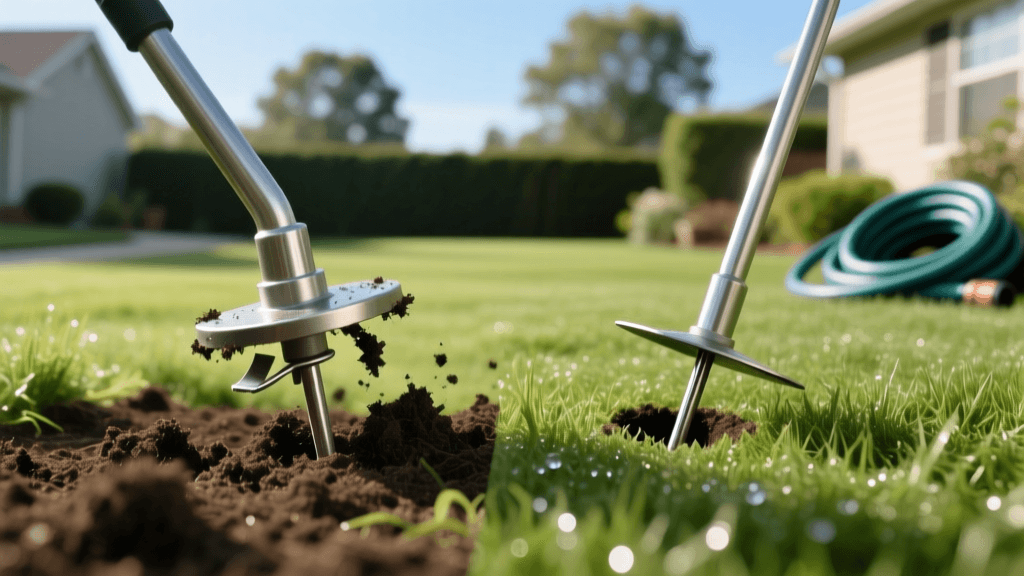
Plug vs Spike Aerators: The Ultimate Lawn Care Guide
The Silent Lawn Killer: Understanding Soil Compaction
Every homeowner dreams of a lush, vibrant lawn, but beneath the surface, a silent killer may be stifling your grass's potential: soil compaction. Over time, foot traffic, heavy mowing equipment, children playing, and relentless rainfall compress the soil particles. This compression squeezes out the vital oxygen, water, and nutrients your turf's root system needs to thrive. When soil becomes compacted, roots suffocate, water pools on the surface or runs off entirely, and thatch builds up rapidly because soil microbes lack the oxygen required to break it down.
The proven solution to this problem is aeration. However, when you browse the aisles of your local garden center or equipment rental shop, you are immediately faced with a critical decision: should you use a spike aerator or a plug (core) aerator? Choosing the right tool is not just a matter of budget or convenience; it is a matter of soil science. Using the wrong equipment can actually worsen your compaction problems. In this comprehensive tools and equipment guide, we will break down the mechanics, pros, cons, and ideal use cases for both spike and plug aerators, ensuring you make the best investment for your specific lawn.
Spike Aerators: How They Work and When to Use Them
Spike aerators are exactly what they sound like: tools equipped with solid metal tines or spikes that pierce the ground, poking holes into the soil as you push or drag them across your lawn. These tools range from inexpensive manual pitchfork-style attachments and strap-on lawn aerator sandals to motorized push-models and tow-behind roller spikes.
The Pros of Spike Aerators
- Cost-Effective: Manual spike aerators and sandals are incredibly cheap, often costing between $15 and $40.
- Zero Mess: Because they only poke holes and do not extract soil, spike aerators leave no dirt plugs on the surface of your lawn. You can mow immediately after use without worrying about dulling your mower blades on dried clay cores.
- Lightweight and Easy to Store: Manual spike tools take up very little space in the garage and require no engine maintenance.
The Cons of Spike Aerators
The major flaw of the spike aerator lies in physics. When a solid spike is driven into the ground, it does not remove any soil mass. Instead, it pushes the surrounding soil outward and downward to make room for the spike. According to the University of Minnesota Extension, this lateral pressure can actually increase soil compaction along the sides and bottom of the hole, creating a hardened barrier that roots struggle to penetrate.
Best Use Case
Spike aerators are only recommended for lawns with sandy or loamy soils that do not suffer from severe compaction, or for sandy soils prone to drought where you simply want to create temporary channels for water to reach the root zone without pulling up the turf.
Plug (Core) Aerators: The Gold Standard for Compacted Soil
Plug aerators, also known as core aerators, feature hollow metal tines (coring tubes). As the machine moves across the lawn, these hollow tines penetrate the soil and extract cylindrical cores, or 'plugs,' of earth and thatch. These plugs are typically 2 to 3 inches deep and 0.5 to 0.75 inches in diameter, and they are ejected onto the surface of the lawn.
The Pros of Plug Aerators
- True Compaction Relief: By physically removing cores of soil, plug aerators eliminate the lateral pressure issue. They create permanent voids in the soil profile, giving roots the physical space to expand and access oxygen.
- Thatch Reduction: The soil plugs left on the surface contain beneficial microorganisms. As these plugs break down over a few weeks, the microbes help digest the thatch layer sitting at the base of your grass.
- Enhanced Overseeding: The deep holes created by core aerators are the perfect seedbeds for overseeding. Grass seed falls into these holes, gaining direct soil contact and protection from birds and wind.
The Cons of Plug Aerators
- Surface Mess: Your lawn will look like it has been dotted with thousands of small dirt droppings. While they break down naturally, they can be unsightly for a week or two.
- Equipment Weight and Cost: To penetrate compacted clay, hollow tines require significant downward force. Manual step-aerators require intense physical labor, while motorized walk-behind aerators are heavy, expensive to buy, and usually require a truck to transport from a rental center.
Best Use Case
Plug aeration is the undisputed champion for heavy clay soils, highly compacted lawns, and high-traffic areas. It is the industry standard recommended by turfgrass professionals for annual or bi-annual lawn renovation.
Head-to-Head: Spike vs. Plug Aerator Comparison Chart
| Feature | Spike Aerator | Plug (Core) Aerator |
|---|---|---|
| Mechanism | Solid tines poke holes | Hollow tines extract soil cores |
| Compaction Relief | Poor (can worsen compaction) | Excellent (physically removes soil) |
| Best Soil Type | Sandy or Loamy | Clay or heavily compacted soils |
| Thatch Reduction | None | High (microbes in plugs break down thatch) |
| Overseeding Synergy | Low | High (provides deep seedbeds) |
| Surface Mess | Clean (no debris left behind) | Messy (leaves soil plugs on turf) |
| Equipment Cost | $15 - $150 | $50 (manual) to $3,000+ (motorized) |
Equipment Guide: Choosing the Right Machine for Your Yard Size
If you have decided that core aeration is the right path for your lawn, the next step is selecting the right equipment format based on your budget, physical capability, and lawn size.
1. Manual Step Aerators (Best for Small Yards & Spot Treatment)
Tools like the Yard Butler Lawn Coring Aerator feature a long handle with a foot bar and two hollow coring tubes. You step on the bar to drive the tines into the earth, then push the handle forward to eject the plugs. Cost: $40 - $60. Verdict: Excellent for aerating high-traffic zones, dog runs, or small urban lawns under 1,000 square feet. For an entire half-acre lawn, a manual tool will result in severe fatigue and hours of backbreaking labor.
2. Tow-Behind Plug Aerators (Best for Medium to Large Lawns)
If you own a riding lawn mower or an ATV, a tow-behind aerator like the Agri-Fab 40-Inch Tow Plug Aerator is a highly efficient choice. These units feature a weight tray and a gang of hollow tines on a rotating axle. Cost: $120 - $200. Pro Tip: Tow-behind aerators are notoriously lightweight when empty. To achieve the 2-to-3-inch penetration depth required for effective core aeration, you must load the weight tray with cinder blocks or bags of gravel, aiming for 150 to 200 pounds of downward pressure.
3. Walk-Behind Core Aerators (Best for Heavy Clay & Professional Results)
For the ultimate results, especially in stubborn clay soils, renting a gas-powered walk-behind aerator (such as a Billy Goat Outback or Classen model) from a local equipment rental yard is the best route. These machines are heavy, self-propelled, and use a cam-action to drive the tines deep into the earth while pulling them out cleanly without tearing the turf. Cost: $70 - $110 per day rental. Verdict: The gold standard for suburban lawns. Coordinate with neighbors to rent the machine for a weekend and split the cost and transport logistics.
Step-by-Step Aeration Best Practices
Owning or renting the right tool is only half the battle. Proper preparation is vital to ensure the tines can penetrate the soil effectively.
- Call Before You Dig: Always call your local utility marking service (like 811 in the US) a few days before aerating to ensure you do not strike shallow buried cables or irrigation lines.
- Moisture is Key: The University of Minnesota Turfgrass Science department emphasizes that soil moisture is critical for core extraction. If the soil is too dry, the tines will bounce off the surface or the cores will get stuck inside the hollow tubes. Water your lawn deeply (about 1 inch) 24 to 48 hours before aerating. The soil should be moist, but not muddy or waterlogged.
- Mark Your Obstacles: Use bright landscaping flags to mark sprinkler heads, shallow valve boxes, and invisible dog fence lines to prevent costly damage.
- The Double-Pass Method: For severe compaction, make one pass over the lawn in a North-South direction, and a second pass in an East-West direction. This criss-cross pattern ensures maximum hole density and uniform soil relief.
Post-Aeration Care and Overseeding Synergy
Once the aeration is complete, your lawn is in a prime state for renovation. Do not rake up or remove the soil plugs left on the surface; allow them to dry and break down naturally over the next two to three weeks. Your next mowing will help shatter them, returning valuable topsoil and microbes back into the turf canopy.
Immediately following aeration is the absolute best time to overseed and fertilize. Apply a high-quality starter fertilizer and broadcast your grass seed. The seed will fall directly into the aeration holes, providing perfect seed-to-soil contact, retaining moisture, and protecting the germinating seed from being eaten by birds. Keep the lawn consistently moist for the next 14 to 21 days to ensure the new grass establishes deep into the newly opened soil channels.
By understanding the science of soil compaction and selecting the correct plug aerator for your specific lawn size and soil type, you transform a struggling, compacted yard into a deeply rooted, drought-resistant, and vibrant landscape.