Home & Garden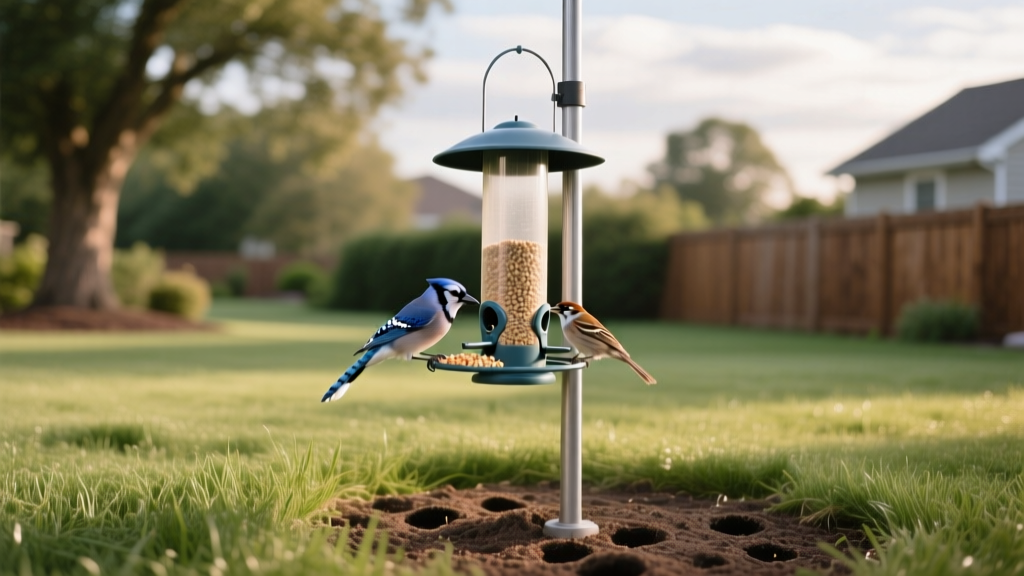
Protect Seeded Lawns: 2026 Pole-Mount Bird Feeder & Baffle Guide
Emily WatsonPublished
The Hidden Conflict: Bird Feeding vs. Lawn Aeration and Seeding
When homeowners invest in core aeration and overseeding, the primary goal is to cultivate a thick, resilient, and weed-free turf. Core aeration alleviates soil compaction, allowing oxygen, water, and nutrients to reach the root zone. When paired with overseeding, the aeration holes provide the perfect micro-environment for grass seed to establish vital seed-to-soil contact. However, there is a hidden adversary that frequently undermines this painstaking lawn care process: the backyard bird feeder station.
While feeding local avian wildlife is a beloved hobby, the ground-level fallout from traditional feeders and the foraging habits of local wildlife can wreak havoc on a freshly seeded lawn. In 2026, as extreme weather fluctuations make the germination window more critical than ever, protecting your vulnerable turf from animal disruption and seed-blocking debris is paramount. The most effective solution is transitioning to a dedicated pole-mount bird feeder station equipped with a high-performance squirrel baffle, strategically placed to keep your lawn intact.
How Squirrels and Spilled Seed Destroy Germination
To understand why a pole-mount system is necessary, we must first examine the biological and mechanical conflicts between bird feeding and lawn seeding. According to the University of Minnesota Extension Lawn Care program, core aeration and overseeding require uninterrupted seed-to-soil contact for 14 to 21 days to ensure successful germination. Any disruption during this window can lead to patchy, thin turf.
The Squirrel Digging Dilemma
Squirrels are opportunistic foragers and natural hoarders. When you core aerate, you pull small plugs of soil, leaving behind soft, easily penetrable holes. Squirrels quickly realize that freshly aerated soil requires minimal effort to dig. They will routinely tear through newly seeded lawns to bury nuts or search for spilled birdseed. This digging activity kicks the delicate grass seed out of the aeration holes, exposing the seed embryos to the sun and wind, which rapidly dehydrates and kills them before they can sprout.
Allelopathy and the Sunflower Hull Barrier
The most popular birdseed in North America is black oil sunflower seed. While excellent for attracting cardinals, chickadees, and finches, it is notoriously messy. Birds hull the seeds at the feeder, dropping thousands of shells onto the ground below. These hulls create a physical, impenetrable mat over the soil, blocking sunlight and moisture from reaching your newly sown grass seed. Furthermore, sunflower hulls contain allelopathic chemicals—natural toxins that inhibit the germination and growth of competing plants, including turfgrass. If heavy sunflower hull fallout lands on your seeded aeration holes, the grass seed will likely fail to germinate.
The 2026 Solution: Pole-Mount Stations with Squirrel Baffles
To eliminate the threat to your lawn, you must remove the feeder from overhanging tree branches and hanging hooks, which drop debris directly onto the turf and provide squirrels with an aerial highway. A freestanding pole-mount bird feeder station is the ultimate defense. By utilizing a specialized pole system combined with a squirrel baffle, you can dictate exactly where the seed fallout occurs and physically prevent squirrels from accessing the feeder and dropping to the lawn below.
Modern 2026 baffle designs utilize advanced UV-resistant polycarbonate and aerodynamic torpedo shapes that make it physically impossible for squirrels to grip or climb over them. When mounted correctly on a smooth steel or powder-coated pole, these systems protect both your birdseed investment and your lawn care investment.
Top Pole-Mount and Baffle Setups for 2026
Selecting the right hardware is crucial for long-term lawn protection. Below is a comparison of the top-rated pole-mount and baffle configurations available this year, tailored for homeowners managing active lawn seeding zones.
| System Model | Baffle Type | Best For | 2026 Est. Price |
|---|---|---|---|
| Nature's Way Cedar Pole System | Torpedo Baffle (Smooth Steel) | Multi-feeder stations over mulch beds | $140 - $165 |
| Woodlink Absolute II on Steel Pole | Integrated Weight-Sensitive Cage | Heavy squirrel pressure & large yards | $110 - $130 |
| Droll Yankees Yankee Flipper | Motorized Spinning Perch | Tech-savvy birders & active lawns | $180 - $210 |
| Heritage Farms Absolute II Squirrel Resistant | Dome Baffle (Polycarbonate) | Windy climates & wide seed dispersal | $125 - $150 |
Strategic Placement to Protect Vulnerable Turf
Even the best pole-mount system will fail to protect your lawn if placed incorrectly. The Cornell Lab of Ornithology's Project FeederWatch emphasizes that baffle placement and feeder positioning are just as important as the hardware itself. When setting up your station during the aeration and seeding season, follow these strict placement rules:
- The 10-Foot Clearance Rule: Squirrels can jump up to 10 feet horizontally and 5 feet vertically. Your pole-mount station must be placed at least 10 feet away from any tree trunks, fences, or deck railings. If a squirrel can leap from a structure onto the feeder, the baffle is useless.
- Minimum Baffle Height: The bottom of the squirrel baffle must be mounted at least 5 feet off the ground. Squirrels are incredible jumpers, and a low-mounted baffle will simply be bypassed.
- Relocate to Hardscape or Mulch: Never place a bird feeder directly over newly seeded turf. Position the pole mount in a garden bed covered in wood mulch, over a gravel patio, or on a concrete pad. This ensures that any inevitable seed fallout and hulls land on a surface where they cannot interfere with grass germination or introduce allelopathic chemicals to the soil.
Managing Seed Types During the Germination Window
While a pole-mount system and baffle stop squirrels from digging up your aeration holes, you must also manage the type of birdseed you offer during the 3-to-4-week lawn germination window. To guarantee zero interference with your grass seed, switch to 100% no-mess, no-waste birdseed blends.
Hulled Sunflower Hearts: By purchasing sunflower seeds that have already been mechanically hulled, you eliminate the toxic shells entirely. Every piece of seed dropped is consumed by ground-foraging birds like doves and juncos, leaving no physical barrier over your grass seed.
Suet Cakes: Suet is a high-energy fat block that contains zero loose seeds. Mounting a suet cage on your pole system provides excellent nutrition for woodpeckers and nuthatches without any risk of ground fallout.
Nyjer (Thistle) Seed: If you wish to attract finches, Nyjer seed is an excellent choice. The seeds are tiny, and if they do fall to the ground, they are typically sterilized by heat during the import process, meaning they will not sprout into weeds in your freshly aerated lawn.
Conclusion
Core aeration and overseeding are significant investments of time, money, and physical labor. Allowing squirrels to dig up your aeration holes or letting sunflower hulls smother your new grass seed is a preventable tragedy. By upgrading to a dedicated pole-mount bird feeder station with a premium squirrel baffle in 2026, you establish a clear boundary between your wildlife sanctuary and your turfgrass nursery. Relocating the feeder to a mulched or hardscaped area, utilizing no-mess seed blends during the germination window, and enforcing the 10-foot clearance rule will ensure your lawn emerges thick, green, and undisturbed, while your backyard birds remain well-fed and safe.
