Home & Garden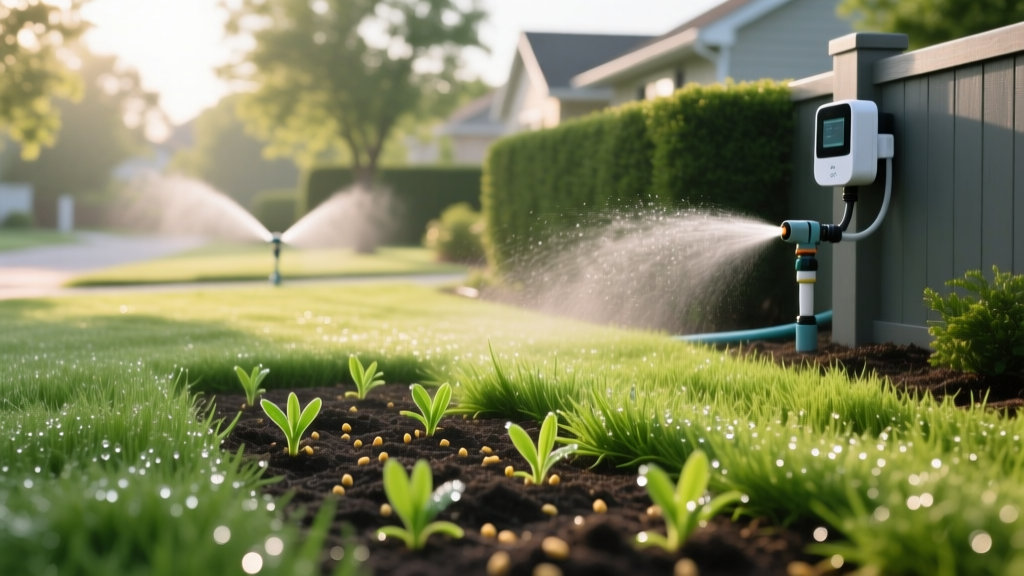
Post-Summer Lawn Recovery: Smart Irrigation and Aeration
Anna KowalskiPublished
As the scorching heat of summer finally breaks, many homeowners step onto their patios only to be greeted by a disappointing sight: a patchy, brown, and thinning lawn. Summer takes a massive toll on turfgrass. Between intense UV exposure, heavy foot traffic from outdoor entertaining, and strict municipal water restrictions, your yard has likely endured significant stress. However, the transition into early autumn presents the perfect biological window for lawn renovation and recovery. At LawnsGuide, we believe that modern lawn care shouldn't just rely on old-school elbow grease. By bridging traditional DIY garden projects with smart home integration, you can resurrect your outdoor space efficiently and sustainably. This comprehensive guide will walk you through assessing turf damage, executing core aeration, selecting the right seed, and upgrading to a smart irrigation system that guarantees long-term resilience.
Assessing the Damage: Is Your Lawn Dormant or Dead?
Before you invest time and money into renovation, you must determine the actual state of your turf. Cool-season grasses like Kentucky Bluegrass and Tall Fescue often go dormant during extreme heat and drought to protect their crowns. To the untrained eye, dormant grass looks completely dead.
Perform the 'tug test.' Grab a handful of brown grass and pull gently. If it pulls up effortlessly with no root resistance, the grass is likely dead and the area will require complete renovation. If it resists and stays anchored, the crown is likely still alive, and the lawn is merely dormant.
For a closer look, dig up a small plug of turf and inspect the crown (the base of the plant where the roots meet the shoots). According to the University of Minnesota Extension's lawn care resources, a healthy, dormant crown will appear white or pale green and feel firm. If the crown is brown, mushy, or completely desiccated, that section of the lawn is dead and must be aggressively overseeded or sodded.
The Physical Reset: Core Aeration and Dethatching
Summer foot traffic, combined with dry, hard soil, leads to severe soil compaction. Compacted soil prevents water, oxygen, and vital nutrients from reaching the root zone, effectively suffocating your grassroots.
Why Core Aeration is Non-Negotiable
Core aeration involves using a machine to pull small plugs of soil (typically 2 to 3 inches deep) out of the ground. This process alleviates compaction, reduces thatch buildup, and creates direct channels for new seed and water to penetrate the soil profile.
- Timing: Aerate cool-season lawns in early fall (late August to late September) when the grass is actively growing and can quickly recover from the physical stress.
- Execution: Rent a heavy-duty core aerator from a local hardware store (expect to pay around $80 to $110 for a half-day rental). Make two passes over your lawn: one in a north-south direction, and a second in an east-west direction to ensure maximum coverage.
- Post-Aeration: Do not rake up the soil plugs! Allow them to dry and break down naturally over the next few weeks, returning valuable microorganisms and topsoil back into the thatch layer.
Preparing the Seedbed for Maximum Germination
Once aeration is complete, the seedbed must be properly prepared. Simply broadcasting seed over existing thatch and dead grass is a recipe for failure. Use a heavy-duty leaf rake or a mechanical dethatcher to aggressively scratch the soil surface. This process, known as raking or verticutting, removes dead organic matter and exposes the bare soil.
When overseeding, use a broadcast spreader for even application. For a 5,000-square-foot lawn, you will typically need between 15 and 25 pounds of seed, depending on the variety and the thickness of the existing turf. Premium seed blends like Jonathan Green Black Beauty or Scotts Turf Builder offer excellent disease resistance and drought tolerance. After spreading the seed, lightly drag a piece of chain-link fence or a specialized lawn leveling rake over the area. This ensures seed-to-soil contact, which is the single most important factor in germination. Seeds left sitting on top of dry thatch will dry out and die within hours of sprouting.
Soil Testing and Selecting the Right Seed
Guesswork is the enemy of a successful lawn renovation. Before purchasing seed, conduct a soil test to determine your pH and nutrient deficiencies. The University of Minnesota Turfgrass Science program highly recommends maintaining a soil pH between 6.0 and 7.0 for optimal nutrient uptake. If your soil is too acidic, apply pelletized lime; if it is too alkaline, use elemental sulfur.
When selecting seed, always choose a high-quality, weed-free mix suited to your specific microclimate.
- Full Sun: Look for a blend of Tall Fescue and Kentucky Bluegrass. Tall Fescue provides deep drought tolerance, while Bluegrass offers a lush, carpet-like density.
- Heavy Shade: Opt for Fine Fescues (Creeping Red, Chewings, or Hard Fescue), which require less sunlight and thrive in the shadow of mature trees or your home's eaves.
Apply a high-phosphorus starter fertilizer immediately after seeding to promote rapid root development.
Integrating Smart Irrigation for Precision Recovery
The most critical factor in seed germination and turf recovery is consistent, precise moisture. Traditional timer-based sprinkler systems are notoriously inefficient, often watering during rainstorms or applying too much water at once, leading to runoff and fungal diseases. This is where smart home integration transforms your landscape.
Upgrading to a Wi-Fi-enabled smart irrigation controller, such as the Rachio 3 or Orbit B-hyve, is one of the most impactful energy-efficient landscaping and home maintenance upgrades you can make. According to the EPA's WaterSense program, smart irrigation controllers can save the average home nearly 7,600 gallons of water annually by adjusting watering schedules based on real-time local weather data.
Key Features of Smart Controllers for Lawn Recovery
- Weather-Based Adjustments: Smart controllers connect to local weather stations via Wi-Fi. They automatically skip watering if rain is in the forecast and increase run times during unseasonal heat waves.
- Soil Moisture Sensor Integration: For the ultimate precision, pair your smart controller with wireless soil moisture sensors placed in both sunny and shaded zones. This ensures the system only waters when the soil actually drops below the optimal moisture threshold for seed germination.
- Cycle and Soak Settings: Sloped yards or heavy clay soils struggle to absorb water quickly. Smart controllers allow you to program 'cycle and soak' routines, breaking a 20-minute watering session into three shorter bursts with time in between for the water to penetrate deeply without pooling or running off into the street.
- App-Based Monitoring: Manage your entire irrigation schedule from your smartphone, allowing you to monitor water usage and zone health whether you are inside your home or away on vacation.
Your 6-Week Lawn Recovery Timeline and Cost Breakdown
To help you budget and plan your DIY garden project, here is a structured timeline for a standard 5,000-square-foot lawn.
| Week | Action Item | Smart Tech Integration | Estimated Cost (5k sq ft) |
|---|---|---|---|
| Week 1 | Core Aeration and Dethatching | Map yard zones in smart app | $120 - $150 (Rental and Fuel) |
| Week 1 | Soil Testing and Amendment | Log soil data in digital garden journal | $30 - $50 (Test kit and Lime) |
| Week 2 | Overseeding and Starter Fertilizer | Install wireless soil moisture sensors | $150 - $200 (Seed and Fertilizer) |
| Week 2-4 | Germination and Hydration | Activate 'New Seed' smart schedule | $0 (Water costs vary) |
| Week 5 | First Mowing (High Blade) | Sync smart lighting to dusk settings | $0 (Using existing equipment) |
| Week 6 | Transition to Deep Watering | Switch to weather-based deep soak | $0 |
Bridging Indoor and Outdoor Living Post-Recovery
A beautifully recovered lawn is more than just turf; it is an extension of your indoor living space. Once your new grass has established and you have mowed it at least three times, it is time to enhance the perimeter.
Consider integrating smart landscape lighting that syncs with your new smart irrigation hub. Platforms like Ring, Philips Hue, or Lutron allow you to set outdoor lighting scenes that activate precisely at dusk, highlighting your newly renovated garden beds and patio furniture while providing security.
Furthermore, use the edges of your recovered lawn to establish raised garden-to-table beds. The improved soil health and optimized irrigation from your smart system will make it easier to route secondary drip-lines to your vegetable gardens, ensuring your autumn crops like kale, spinach, and radishes thrive alongside your turf.
Pro-Tip: Never mow a newly renovated lawn until the new grass reaches at least 3.5 to 4 inches in height. When you do make the first cut, ensure your mower blades are freshly sharpened to prevent tearing the delicate young leaf blades, which can invite disease and undo your hard work.
By combining the physical labor of aeration and overseeding with the precision of modern smart home technology, you are not just fixing a summer-damaged yard. You are investing in a resilient, water-efficient, and stunning outdoor oasis that bridges the gap between nature and modern home comfort.
