Lawn Care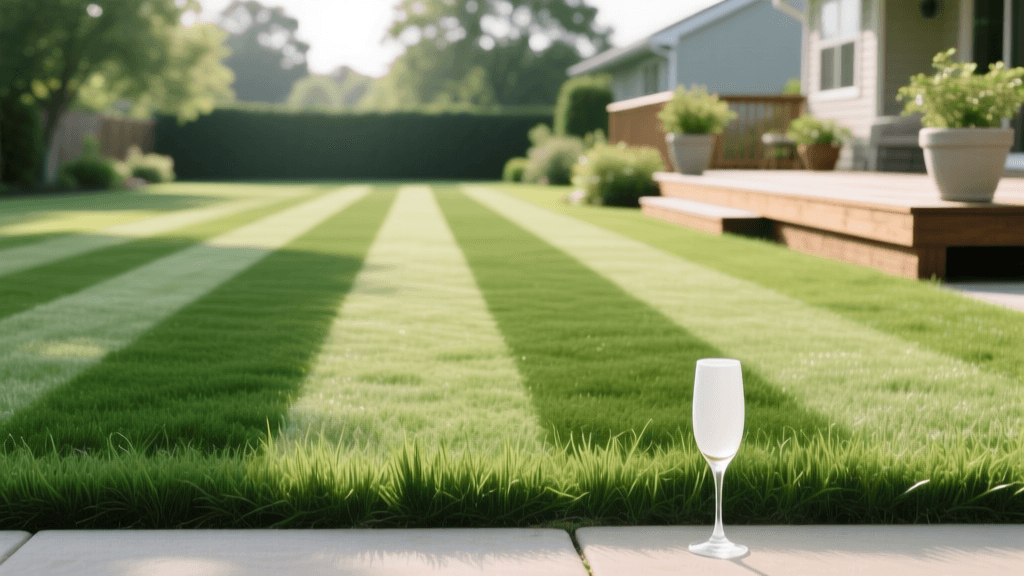
Lawn Striping and Recovery Tips for Outdoor Entertaining
The First Impression: Why Lawn Prep Matters for Entertaining
When hosting a summer barbecue, graduation party, or elegant evening garden soirée, your lawn is more than just a patch of grass—it is the foundation of your outdoor entertainment space. Curb appeal sets the tone before your guests even step through the front gate. A lush, manicured, and beautifully striped lawn instantly elevates the perceived value of your home and creates a welcoming, resort-like atmosphere for your visitors. However, outdoor entertaining also presents unique challenges for lawn care, primarily in the form of heavy foot traffic, soil compaction, and accidental spills. In this comprehensive guide, we will explore actionable strategies to maximize your curb appeal through professional striping techniques, manage high-traffic wear and tear, and execute a flawless 7-day countdown checklist to ensure your yard is party-ready.
Achieving Professional Lawn Striping for Instant Curb Appeal
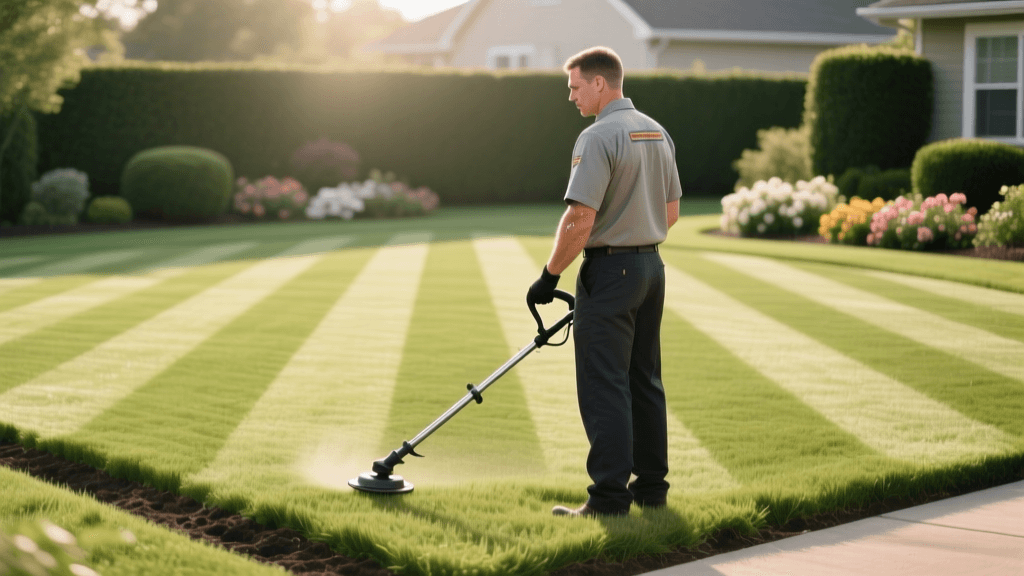
Lawn striping is the secret weapon of professional landscapers and groundskeepers. The striking visual effect of alternating light and dark bands across your turf is not achieved by cutting the grass at different heights, nor is it a trick of different grass species. Instead, striping is an optical illusion created by the way light reflects off the grass blades. When you bend the grass blades away from you, the shadowed side is exposed, creating a dark stripe. When the blades are bent toward you, the light catches the broader surface of the leaf, creating a bright, reflective stripe.
Equipment Needed for Perfect Stripes
While commercial zero-turn mowers often have heavy rear rollers built-in, homeowners can achieve similar results with a few affordable additions. You will need a striping kit or a tow-behind lawn roller. Universal striping kits, such as those offered by Toro or John Deere, typically cost between $100 and $150 and attach directly to the deck of your push or riding mower. Alternatively, a polyurethane tow-behind lawn roller (costing around $80 to $120) filled halfway with water or sand provides excellent weight to bend the turf. According to the UMass Extension Turf Program, maintaining a sharp mower blade is equally critical; a dull blade will shred the grass tips, causing them to turn brown and ruining the reflective surface needed for crisp stripes.
Step-by-Step Striping Guide
- Step 1: The Perimeter Cut. Mow a single pass around the entire perimeter of your lawn. This gives you a clean turning area and establishes a straight border for your guests to admire.
- Step 2: The First Pass. Mow a straight line down the longest edge of your property, using a fence line or driveway as a visual guide to keep your path perfectly straight.
- Step 3: The Turn. At the end of the row, make a wide, sweeping Y-turn rather than a tight pivot. Tight turns can tear the turf and create unsightly brown scuff marks, which is especially detrimental right before a party.
- Step 4: Alternating Passes. On your next pass, mow in the exact opposite direction, overlapping your previous cut by about two inches to ensure no uncut strips are left behind.
Managing High-Traffic Areas Before and After the Party
Outdoor parties inevitably lead to concentrated foot traffic, particularly in areas connecting the patio to the fire pit, the grill station to the dining table, and the pathway to the restroom. According to the University of Minnesota Extension, repeated foot traffic compresses soil particles, reducing the pore space necessary for air, water, and nutrient movement. This soil compaction suffocates grass roots and leads to rapid thinning and muddy bare spots.
Pre-Party Traffic Mitigation
To protect your turf during an event, consider laying down temporary pathways. Interlocking plastic dance floor tiles or heavy-duty coir (coconut fiber) doormats can be placed over high-traffic routes. These materials distribute weight evenly and prevent the soil beneath from compacting. If you are hosting a large gathering, strategically placing outdoor furniture, cornhole boards, or decorative lighting in dispersed areas will naturally encourage guests to spread out rather than congregating in one specific zone of the lawn.
Post-Party Recovery and Aeration
After the guests have departed, assess the lawn for compaction. If the soil feels hard and water pools on the surface rather than absorbing, it is time to aerate. For small, heavily trafficked zones, a manual hand aerator or aerator shoes (costing roughly $20 to $40) can be used to punch two-to-three-inch holes into the soil. Follow up by top-dressing the area with a quarter-inch layer of finely screened compost to improve soil structure and introduce beneficial microbes.
Grass Types and Traffic Tolerance: A Comparison Chart
Not all lawns are created equal when it comes to surviving a backyard bash. If you are considering overseeding or installing a new lawn in an entertainment-heavy space, selecting the right turfgrass is paramount. The Purdue University Turfgrass Science program emphasizes that wear tolerance and recuperative potential are two distinct traits; a grass might withstand heavy stepping but recover very slowly from damage.
| Grass Type | Traffic Tolerance | Recovery Rate | Best Climate Zone |
|---|---|---|---|
| Bermudagrass | Excellent | Very Fast (Stolons/Rhizomes) | Warm-Season / Southern |
| Zoysiagrass | Good | Slow | Warm-Season / Transition |
| Tall Fescue | Moderate | Moderate (Bunch-type) | Cool-Season / Northern |
| Kentucky Bluegrass | Good | Fast (Rhizomes) | Cool-Season / Northern |
Note: For cool-season lawns, Kentucky Bluegrass is highly recommended for entertaining spaces due to its aggressive rhizome network, which allows it to knit together and heal damaged areas much faster than bunch-type grasses like Tall Fescue.
Quick Fixes for Bare Spots and Brown Patches
If your lawn has already sustained damage from previous events, you need rapid remediation to restore curb appeal before your next gathering. For bare spots larger than a dinner plate, use an all-in-one repair mix like Scotts EZ Seed. These products combine high-quality seed, mulch, and starter fertilizer. A 10-pound bag costs approximately $25 and covers up to 500 square feet. For best results, rake the bare soil to loosen the top quarter-inch, apply the mix, and water lightly twice a day until seedlings reach two inches in height.
For general yellowing or lackluster color, apply a liquid chelated iron supplement (such as Lawn Energizer or Simple Lawn Solutions Liquid Iron) 48 hours before the party. Iron darkens the grass to a deep, rich emerald green without triggering a massive growth surge that would require you to mow again right before guests arrive.
The 7-Day Countdown Checklist for Your Outdoor Event
To ensure your lawn looks its absolute best without causing unnecessary stress on the day of the party, follow this structured timeline:
- Day 7: The Heavy Maintenance Day. Mow the lawn at your standard height. Edge all garden beds, driveways, and walkways. Pull any visible broadleaf weeds by hand or apply a targeted spot treatment.
- Day 5: Color and Nutrition. Apply your liquid iron supplement or a fast-acting water-soluble fertilizer to boost the green color of the turf.
- Day 3: Hardscape and Detailing. Power wash your patio, driveway, and outdoor furniture. Sweep away any debris from hard surfaces so the focus remains on the pristine lawn.
- Day 2: Irrigation Check. Run your sprinkler system manually to ensure all heads are functioning, properly aligned, and not spraying directly onto seating areas or guest pathways.
- Day 1: The Show Cut. Perform your final mow. Lower your mower deck by just one notch (no more than one-third of the blade length) for a manicured look, and deploy your striping kit or roller for those professional curb-appeal lines.
- Day Of: The Final Sweep. Use a backpack leaf blower to clear any stray grass clippings, fallen leaves, or debris from the hardscapes and garden beds. Set up your temporary traffic pathways if necessary.
Pro Tip: Never mow your lawn when it is wet, especially before a party. Wet grass clumps together, clogs your mower deck, and results in an uneven, ragged cut that completely ruins your striping efforts and diminishes your overall curb appeal.