Lawn Care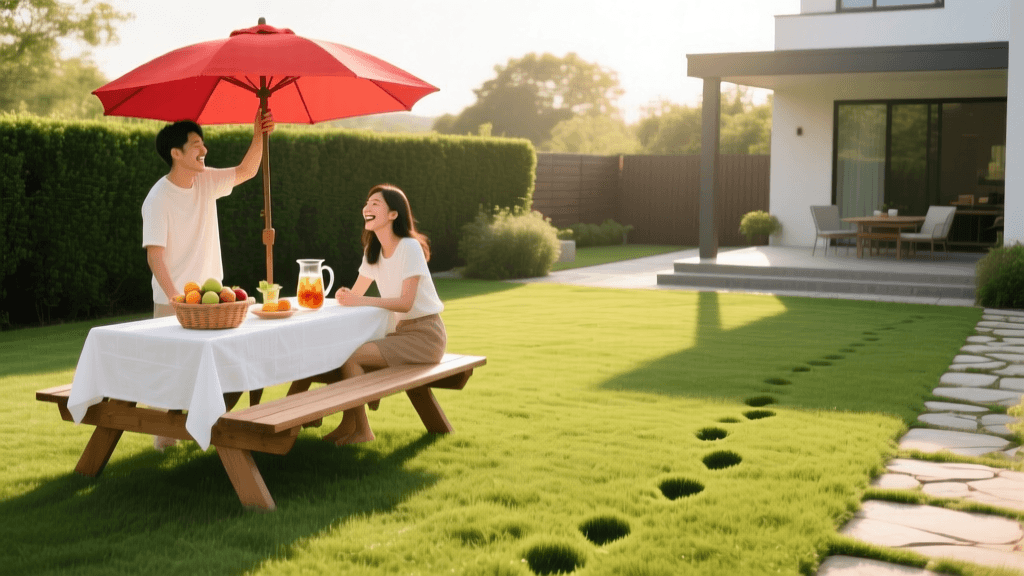
Prepare Your Lawn for Summer Parties and Heavy Traffic
Summer is the ultimate season for outdoor entertaining, backyard barbecues, and evening gatherings around the fire pit. However, hosting friends and family often comes at a hidden cost to your landscape. Heavy foot traffic can quickly transform a pristine, carpet-like lawn into a muddy, compacted mess with worn pathways and broken grass blades. If you want your outdoor space to remain the envy of the neighborhood while accommodating dozens of guests, you need a strategic approach to lawn care. Preparing your turf for the rigors of summer entertaining requires a blend of proactive soil management, strategic mowing, and an understanding of turfgrass biology. By implementing the right techniques, you can maintain exceptional curb appeal and create a durable outdoor living space that bounces back beautifully after the last guest departs.
Understanding Soil Compaction and Turf Resilience
The biggest enemy of a lawn during a large outdoor party is soil compaction. When dozens of people walk across the same route to reach the patio, the grill, or the cooler, the air pockets in the soil are crushed. Grass roots need oxygen, water, and nutrients to survive, and compacted soil chokes them out. To combat this before the party season begins, core aeration is essential. Renting a walk-behind core aerator (typically costing between $80 and $120 for a half-day rental) allows you to pull 2-to-3-inch plugs of soil from the ground. This process alleviates compaction and creates channels for water and fertilizer to reach the root zone. After aerating, topdress the high-traffic entertainment zones with a quarter-inch layer of screened compost. This organic matter will work its way into the aeration holes, improving soil structure and giving your grass the resilience it needs to withstand heavy trampling.
Choosing Traffic-Tolerant Grasses for Entertainment Zones
If you are overseeding bare patches or installing a new lawn near your entertainment areas, selecting a traffic-tolerant grass species is critical. Some grasses possess aggressive lateral growth habits, meaning they send out stolons and rhizomes that quickly repair damaged areas. According to the UMass Amherst Turf Program, warm-season grasses generally offer superior wear tolerance and recovery rates compared to many cool-season varieties, though there are excellent options for both climates.
| Grass Type | Climate Zone | Traffic Tolerance | Recovery Rate | Est. Sod Cost (per sq ft) |
|---|---|---|---|---|
| Bermudagrass | Warm-Season | Excellent | Very Fast | $0.45 - $0.65 |
| Zoysiagrass | Warm-Season | Excellent | Slow to Medium | $0.60 - $0.85 |
| Kentucky Bluegrass | Cool-Season | Good to Very Good | Medium | $0.35 - $0.55 |
| Perennial Ryegrass | Cool-Season | Very Good | Slow (Bunch-type) | $0.30 - $0.50 |
For northern homeowners, a blend of Kentucky Bluegrass and Perennial Ryegrass provides a durable surface that looks beautiful for curb appeal while handling the wear and tear of backyard games like cornhole or bocce. Southern homeowners should lean heavily on Bermudagrass for high-traffic zones, as its aggressive rhizome network will rapidly heal any divots caused by high heels or heavy coolers.
Mowing Strategies to Protect Grass During Party Season
How you mow your lawn in the days leading up to an event drastically affects its ability to survive foot traffic. A common mistake is scalping the lawn to make it look neat and manicured for guests. In reality, cutting the grass too short severely weakens the root system and makes the blades highly susceptible to crushing. The University of Minnesota Extension strongly advocates for the 'One-Third Rule,' which dictates that you should never remove more than one-third of the grass blade in a single mowing session.
To maximize turf resilience for a party, raise your mower deck to the highest recommended setting for your specific grass type. For cool-season grasses like Tall Fescue or Kentucky Bluegrass, aim for a cutting height of 3.5 to 4 inches. For warm-season grasses like Zoysia or Bermuda, a height of 1.5 to 2.5 inches is ideal. Taller grass blades have a larger surface area for photosynthesis, which fuels deeper root growth. Deeper roots anchor the turf firmly into the soil, preventing the grass from being easily torn out by the roots when guests walk across it. Furthermore, taller grass provides a natural cushioning effect, making it more comfortable for guests who might be walking barefoot.
The Secret Weapon: Turgor Pressure and Strategic Watering
One of the most overlooked aspects of preparing a lawn for outdoor entertaining is managing the water content within the grass blades themselves. In plant biology, 'turgor pressure' refers to the outward pressure that water exerts against the cell walls of the plant. When grass is well-hydrated, the cells are plump and rigid, allowing the blades to stand upright and bounce back after being stepped on. Conversely, drought-stressed grass lacks turgor pressure; the cell walls become flaccid, and the grass blades will easily snap, bruise, and die when subjected to the weight of foot traffic.
To ensure your lawn has optimal turgor pressure for your event, apply a deep, thorough watering 24 to 36 hours before the party begins. This gives the grass ample time to absorb the moisture and build up cellular rigidity. However, avoid watering immediately before the guests arrive. A soggy, saturated lawn will lead to muddy shoes, track dirt onto your hardscapes, and cause severe soil compaction as the wet earth is easily displaced by heavy footsteps. Water deeply, then let the surface dry out slightly while the subsurface moisture keeps the roots and blades fully pressurized and resilient.
Hardscaping and Edging for Ultimate Curb Appeal
Even the most meticulously cared-for turf will suffer if the traffic patterns of your guests are not managed properly. The Cornell University Turfgrass Program emphasizes the importance of integrating landscape design with turf management to preserve lawn health. Instead of relying solely on grass to handle the main thoroughfares between the back door, the patio, and the gate, install strategic hardscaping.
Laying down natural stone stepping stones or pavers along the most common walking routes will save your grass from inevitable wear paths. When installing stepping stones, space them approximately 24 inches on-center to accommodate a natural walking stride. Fill the gaps between the stones with low-growing, traffic-tolerant ground covers like creeping thyme or Irish moss, which add a lush, high-end curb appeal while surviving occasional missteps.
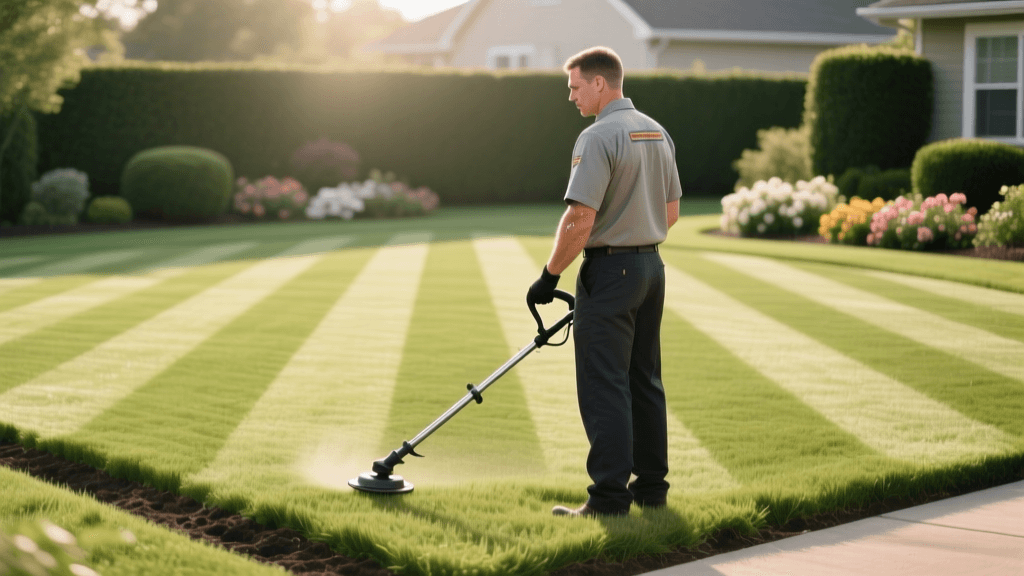
Finally, the defining factor of elite curb appeal is a crisp, clean edge where the lawn meets the garden beds, driveways, and patios. Two days before your event, use a manual half-moon edger or a motorized stick edger to carve a sharp, 2-inch deep trench along all hardscape borders. This physical barrier not only stops aggressive grass rhizomes from invading your mulch beds but also creates a striking visual contrast that makes the green turf pop. Follow up by using a backpack leaf blower to clear any stray clippings or debris from the hardscapes, ensuring your outdoor entertainment space looks like a professionally maintained resort.
Conclusion
Hosting outdoor gatherings should be a joy, not a source of anxiety for your landscape. By understanding the mechanics of soil compaction, selecting the right traffic-tolerant grasses, adjusting your mowing height, and leveraging plant turgor pressure, you can protect your lawn from the heavy toll of summer entertaining. Combine these turf management strategies with smart hardscaping and precision edging, and you will create an outdoor oasis that boasts immaculate curb appeal, no matter how many guests you invite to your next backyard bash.