Pest Control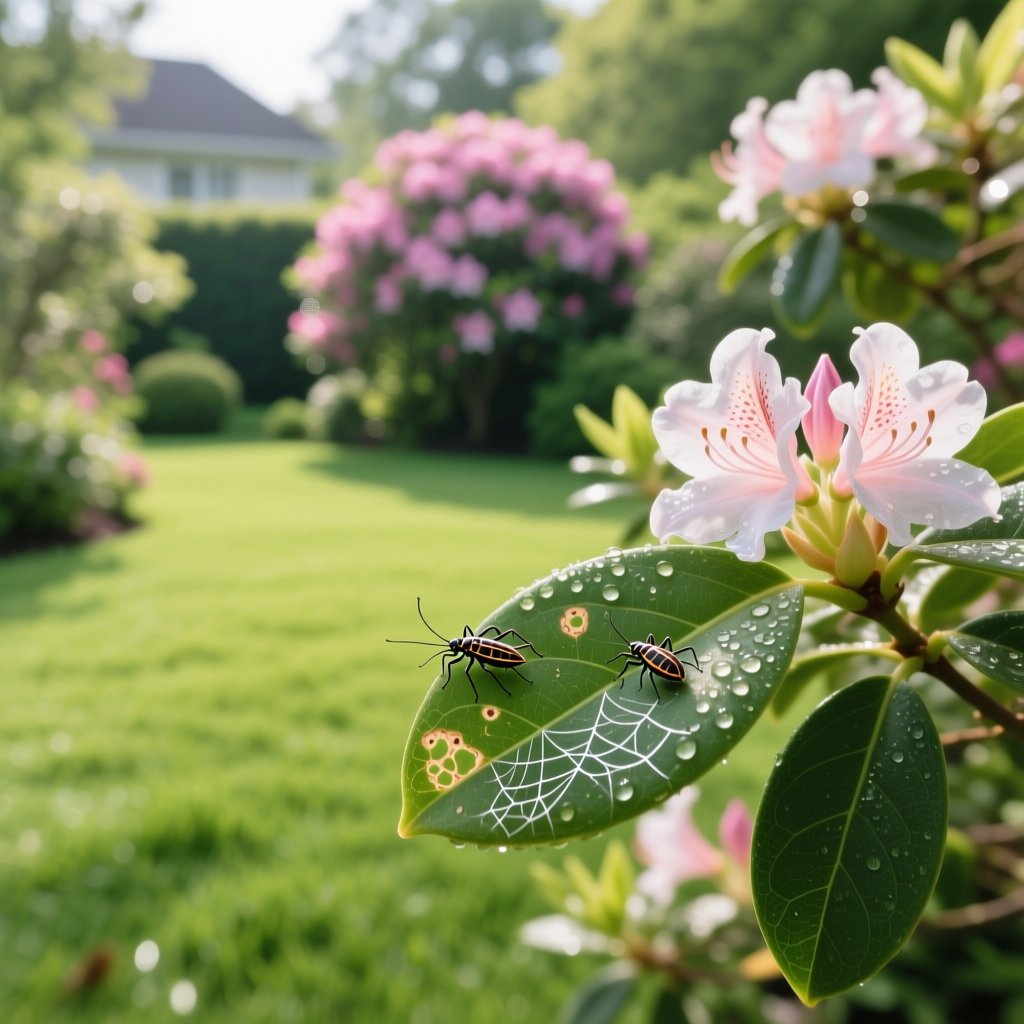
How to Prevent & Treat Lace Bugs on Azaleas & Rhododendrons
Robert HayesPublished
Lace bugs are among the most common and destructive pests that target azaleas and rhododendrons in home landscapes. These tiny, sap-sucking insects can quickly turn lush, vibrant shrubs into pale, stippled shadows of their former selves. If you have noticed your azalea or rhododendron leaves developing a silvery or yellowish speckled appearance, chances are you are dealing with a lace bug infestation.
The azalea lace bug (Stephanitis pyrioides) and the rhododendron lace bug (Stephanitis rhododendri) are closely related species that feed exclusively on their respective host plants. Both cause similar damage and require similar management strategies. Left unchecked, a lace bug population can weaken your shrubs over multiple seasons, making them vulnerable to secondary diseases and environmental stress.
The good news is that lace bugs are manageable with the right combination of cultural practices, natural predators, and targeted treatments. In this comprehensive guide, we will walk you through everything you need to know about identifying, preventing, and eliminating lace bugs from your azaleas and rhododendrons so your landscape stays healthy and beautiful year after year.
How to Identify Lace Bugs and Their Damage
Before you can treat a lace bug problem, you need to confirm that lace bugs are actually the culprit. Several other pests and diseases can cause similar symptoms on azaleas and rhododendrons, so careful identification is essential.
What Lace Bugs Look Like
Adult lace bugs are small, measuring roughly one-eighth of an inch long. They have distinctive, transparent wings with a lacy, net-like pattern that gives them their common name. Their bodies are dark brown to black, and when viewed from above, the lacy wings extend slightly beyond the body on each side. Nymphs (immature lace bugs) are smaller, darker, and spiny, lacking the characteristic wings of adults.
To spot lace bugs, flip over a damaged leaf and examine the underside. You will typically find clusters of adults and nymphs congregating along the midrib and veins. You may also notice small, shiny black spots on the leaf underside — these are fecal deposits, often called "tar spots," and they are a telltale sign of lace bug feeding activity.
Recognizing Lace Bug Damage on Leaves
The most visible symptom of lace bug feeding appears on the upper surface of the leaves. As the insects pierce the leaf tissue from below and extract chlorophyll-rich sap, the upper surface develops a stippled or speckled pattern of tiny yellow, white, or silvery dots. In mild infestations, this stippling may be confined to a few leaves. In severe cases, entire leaves can turn almost completely white or silver, then brown, and eventually drop from the plant.
It is easy to confuse lace bug stippling with spider mite damage. However, spider mites typically produce fine webbing on the leaf undersides, while lace bugs leave behind those characteristic black tar-like fecal spots. If you see stippling combined with black spots and small lacy-winged insects on the underside of the leaf, you can be confident that lace bugs are the problem.
Seasonal Patterns of Lace Bug Activity
Lace bugs are most active during warm weather. Depending on your climate, they may produce two to four generations per growing season. The first generation typically emerges in late spring, and populations build through summer into early fall. Damage is often most noticeable in mid-to-late summer after several generations have compounded the feeding injury.
Lace bugs overwinter as eggs that are partially embedded in the leaf tissue, usually along the midrib on the underside of evergreen leaves. This means that even if you do not see active insects during the colder months, eggs may be present and ready to hatch when temperatures warm up again.
Preventing Lace Bug Infestations Before They Start
Prevention is always the most effective and least expensive pest management strategy. By creating growing conditions that favor your azaleas and rhododendrons while discouraging lace bugs, you can significantly reduce the likelihood of a damaging infestation.
Plant in the Right Location
Lace bugs thrive on plants that are stressed by excessive sun exposure. Azaleas and rhododendrons are naturally understory plants that prefer partial shade or dappled sunlight. Shrubs planted in full sun, especially on the south or west side of a building, are far more susceptible to lace bug attacks. If you are establishing new plantings, choose locations that receive morning sun and afternoon shade, or filtered light throughout the day.
If you already have azaleas or rhododendrons in a sunny spot and are battling recurring lace bug problems, consider transplanting them to a shadier location or creating shade with taller companion plantings. For more guidance on optimal planting conditions, check out our planting guides for detailed site selection tips.
Maintain Plant Health Through Proper Care
Healthy, vigorously growing shrubs are naturally more resistant to pest damage. Azaleas and rhododendrons have specific cultural requirements that, when met, help them withstand and recover from lace bug feeding.
- Soil acidity: These plants require acidic soil with a pH between 4.5 and 6.0. Test your soil regularly and amend with sulfur or acidifying fertilizers as needed.
- Mulching: Apply a two-to-three-inch layer of organic mulch (pine bark, pine needles, or leaf mold) around the base of your shrubs. This conserves moisture, moderates soil temperature, and slowly adds organic matter to the soil.
- Watering: Azaleas and rhododendrons have shallow root systems and are sensitive to drought stress. Provide consistent moisture, especially during dry spells, but avoid waterlogged conditions that can lead to root rot.
- Fertilization: Use a fertilizer formulated for acid-loving plants. Avoid excessive nitrogen, which can promote soft, succulent growth that is more attractive to lace bugs. Visit our fertilizing guide for acid-loving plants for detailed recommendations.
Choose Resistant Varieties
Some azalea and rhododendron cultivars show greater resistance to lace bug feeding than others. When selecting new plants, look for varieties that have been bred or observed to have lower susceptibility. Among azaleas, many of the Encore series and certain Kurume hybrids have shown some tolerance. Among rhododendrons, varieties with thicker, more heavily indumented (hairy-backed) leaves tend to be less palatable to lace bugs. Consult with your local extension service or a reputable nursery for variety recommendations suited to your region.
Encourage Natural Predators
A diverse garden ecosystem is one of your best defenses against lace bugs. Several beneficial insects prey on lace bugs at various life stages, including:
- Lady beetles (ladybugs) and their larvae
- Green lacewings and their larvae
- Minute pirate bugs
- Spiders
- Predatory mites
- Parasitic wasps that target lace bug eggs
To attract and retain these beneficial predators, avoid broad-spectrum insecticides that kill them along with the pests. Plant a diverse array of flowering plants to provide nectar and pollen resources for adult beneficial insects. Maintaining a healthy organic lawn care routine around your landscape beds also helps create a welcoming habitat for natural enemies of lace bugs.
DIY Solutions for Treating Lace Bug Infestations
When prevention measures are not enough and you find an active lace bug infestation, there are several effective do-it-yourself treatment options available. The key is to act early, before populations build to damaging levels, and to target the undersides of the leaves where the insects feed.
Water Sprays for Light Infestations
For minor infestations, a strong jet of water from a garden hose can dislodge nymphs and adults from the leaf undersides. Direct the spray upward, targeting the lower leaf surfaces. This method is most effective against nymphs, which are less mobile than adults. Repeat the treatment every few days to catch newly hatched individuals. While this approach will not eliminate a severe infestation, it can help keep early-season populations in check without any chemical inputs.
Insecticidal Soaps
Insecticidal soaps are among the safest and most effective DIY treatments for lace bugs. These products work by disrupting the cell membranes of soft-bodied insects on contact. To use insecticidal soap effectively:
- Mix according to label directions (typically two to five tablespoons per gallon of water for concentrated products).
- Apply in the early morning or late evening to avoid leaf burn and to maximize contact time before the solution dries.
- Thoroughly coat the undersides of all affected leaves, where lace bugs congregate.
- Repeat applications every seven to ten days for at least two to three cycles to address newly hatched nymphs.
Insecticidal soaps have no residual activity, meaning they only kill insects that are directly contacted during application. This makes them safe for beneficial insects that arrive after the spray has dried, but it also means thorough coverage and repeated applications are critical for success.
Horticultural Oils
Horticultural oils (also called neem oil or dormant oil, depending on the formulation) are another excellent option for lace bug control. These oils work by smothering insects and their eggs on contact. Neem oil additionally contains azadirachtin, a compound that disrupts insect feeding and reproduction.
Apply horticultural oil at a rate of one to two tablespoons per gallon of water, or follow the specific product label. As with insecticidal soap, thorough coverage of the leaf undersides is essential. Avoid applying oils when temperatures exceed 85°F (29°C) or when plants are drought-stressed, as this can cause phytotoxicity (leaf damage).
Dormant-rate horticultural oil can also be applied in late winter or early spring before new growth emerges. This application targets overwintering eggs and can significantly reduce the first-generation population. For more on seasonal plant care timing, see our seasonal lawn and garden care calendar.
Botanical and Natural Insecticides
For moderate to heavy infestations that are not responding to soaps and oils, several botanical insecticides offer stronger control while remaining relatively low in toxicity to humans and pets:
- Neem oil extract (azadirachtin): Concentrated neem extracts containing higher levels of azadirachtin provide both contact and systemic-like activity, disrupting lace bug growth and feeding over a longer period.
- Pyrethrin: Derived from chrysanthemum flowers, pyrethrin is a fast-acting contact insecticide that breaks down quickly in sunlight. It is effective against adult lace bugs but can harm beneficial insects on contact, so use it selectively and apply in the evening.
- Spinosad: This naturally derived insecticide is produced by a soil-dwelling bacterium. It is effective against lace bugs through both contact and ingestion and has some residual activity. Spinosad is relatively safe for beneficial insects once it has dried but is toxic to bees while wet, so avoid application during bloom periods.
Systemic Insecticides for Severe or Recurring Infestations
When cultural controls and contact sprays are insufficient, systemic insecticides can provide longer-lasting protection. Products containing imidacloprid or dinotefuran are applied as a soil drench around the base of the shrub. The roots absorb the active ingredient and translocate it throughout the plant, so lace bugs ingest it when they feed.
Systemic treatments are typically applied in early spring, before lace bug activity begins, and can provide control for several weeks to months. However, these products should be used judiciously:
- Avoid applying systemic insecticides to flowering plants that attract pollinators, as the active ingredients can be present in nectar and pollen.
- Do not apply near waterways or in sandy soils where leaching to groundwater is a concern.
- Always follow label directions precisely regarding application rates and timing.
For more information on using pest control products safely and effectively in your landscape, visit our pest control resource center.
When to Call a Professional for Lace Bug Control
While many lace bug infestations can be managed with DIY approaches, there are situations where professional intervention is the most practical and effective option.
Signs You Need Professional Help
Consider contacting a licensed pest control professional or a certified arborist if you encounter any of the following scenarios:
- Large-scale infestations: If you have numerous azaleas or rhododendrons affected across your property, treating them all thoroughly with contact sprays can be extremely time-consuming and difficult to do effectively without professional-grade equipment.
- Recurring annual infestations: If you find yourself battling lace bugs every season despite your best prevention and treatment efforts, a professional can develop a customized integrated pest management (IPM) plan that addresses the root causes.
- Severe plant decline: When shrubs have been heavily damaged over multiple seasons and are showing signs of dieback, reduced flowering, or secondary pest and disease problems, a professional can assess whether the plants can be saved and recommend appropriate interventions.
- Inaccessibility: Large, mature rhododendrons can grow quite tall, making it difficult to reach and thoroughly spray the upper canopy where lace bugs may also be feeding.
- Concern about chemical use: If you are unsure about selecting, mixing, or applying insecticides safely, a licensed professional has the training and certification to handle these products correctly.
What to Expect from a Professional Treatment
A reputable pest control professional or arborist will typically begin with a thorough inspection of your landscape to confirm the pest identification, assess the severity of the infestation, and evaluate the overall health of your plants. Based on this assessment, they may recommend one or more of the following treatments:
- Professional-grade systemic soil drenches or trunk injections that provide extended control with a single application.
- High-pressure foliar sprays using commercial equipment that achieves better coverage of the leaf undersides than typical homeowner sprayers.
- Dormant oil applications timed precisely to target overwintering eggs.
- Cultural recommendations such as soil amendments, pruning, or relocation of plants to more favorable sites.
Professional treatments often come with a service guarantee and follow-up monitoring, which can provide peace of mind and better long-term results. For help finding other landscape issues that might be compounding your pest problems, explore our disease control guides to learn about conditions that often accompany pest stress.
Integrated Pest Management: The Professional Standard
The best pest control professionals follow an Integrated Pest Management (IPM) approach, which combines multiple strategies — cultural, biological, mechanical, and chemical — to manage pests in the most effective and environmentally responsible way. IPM emphasizes monitoring, prevention, and the use of the least-toxic interventions first, escalating to stronger measures only when necessary. When interviewing potential pest control providers, ask about their IPM practices to ensure you are working with someone who takes a thoughtful, sustainable approach to pest management.
Frequently Asked Questions About Lace Bugs on Azaleas and Rhododendrons
Will lace bugs kill my azaleas or rhododendrons?
Lace bugs rarely kill azaleas or rhododendrons outright, but they can cause significant harm over time. Repeated heavy infestations reduce the plant's ability to photosynthesize, leading to weakened growth, reduced flowering, and increased susceptibility to drought, cold injury, and secondary pests like borers. A single season of moderate lace bug damage is usually survivable for a healthy, established shrub, but chronic, unmanaged infestations can eventually lead to plant decline and death, particularly in already stressed specimens.
Do lace bugs spread to other plants in my garden?
Azalea lace bugs primarily feed on azaleas, and rhododendron lace bugs primarily feed on rhododendrons. However, azalea lace bugs have been known to occasionally feed on other plants in the heath family (Ericaceae), such as mountain laurel and andromeda (Pieris). They do not typically infest plants outside this family, so your roses, vegetables, and lawn grass are not at risk from lace bugs. That said, it is still wise to monitor nearby susceptible plants if you have an active infestation. Learn more about identifying and managing other common garden pests in our common garden pests guide.
What time of year should I treat for lace bugs?
The optimal treatment timing depends on the method you are using. For dormant oil applications targeting overwintering eggs, treat in late winter or very early spring before new growth begins. For contact sprays like insecticidal soap or horticultural oil, begin treatment when you first observe nymphs on the leaf undersides, typically in mid-to-late spring, and repeat at seven-to-ten-day intervals. For systemic soil drenches, apply in early spring just as the plants begin active growth so the insecticide is taken up and distributed throughout the plant before lace bug populations build. Monitoring your plants regularly from spring through fall is the best way to catch infestations early.
Can I prevent lace bugs from coming back next year?
Complete elimination of lace bugs is difficult because eggs can overwinter on evergreen leaves and new adults can fly in from neighboring properties. However, you can dramatically reduce recurring problems by combining several strategies: planting susceptible shrubs in shady locations, maintaining plant health with proper soil care and watering, applying dormant oil in late winter, encouraging beneficial predator populations, and monitoring your plants closely each spring for early signs of activity. Some gardeners also have success with reflective mulches placed beneath shrubs, which can disorient and deter arriving adults. Consistent, proactive management is far more effective than reactive crisis treatment.
Are lace bugs harmful to humans or pets?
Lace bugs are not harmful to humans or pets. They do not bite, sting, or transmit diseases. They are strictly plant-feeding insects with no interest in people or animals. The insecticides used to control them, however, should always be handled and applied according to label directions to ensure the safety of your family and pets. Keep children and animals away from treated areas until sprays have fully dried, and store all pest control products securely out of reach.
What is the difference between lace bug damage and spider mite damage?
Both lace bugs and spider mites cause stippling on the upper leaf surface, which can make them easy to confuse. The key differences lie on the underside of the leaf. Lace bugs leave behind distinctive black, shiny fecal spots (tar spots) and you may find their lacy-winged adults or spiny nymphs clustered along the veins. Spider mites, on the other hand, are extremely tiny (nearly invisible to the naked eye) and produce fine, silky webbing, particularly along leaf edges and between leaves. Spider mite damage also tends to give leaves a more bronzed or dusty appearance rather than the distinct white or silver stippling associated with lace bugs. Correctly identifying the pest ensures you choose the right treatment approach.
Managing lace bugs on azaleas and rhododendrons does not have to be overwhelming. By understanding the pest's life cycle, providing optimal growing conditions for your shrubs, encouraging natural predators, and using targeted treatments when necessary, you can keep your landscape healthy and vibrant. Regular monitoring is your single most powerful tool — catch the problem early, act decisively, and your azaleas and rhododendrons will reward you with lush foliage and spectacular blooms season after season. For more tips on keeping your entire landscape in top shape, explore our complete library of lawn and garden care guides.