Tree Care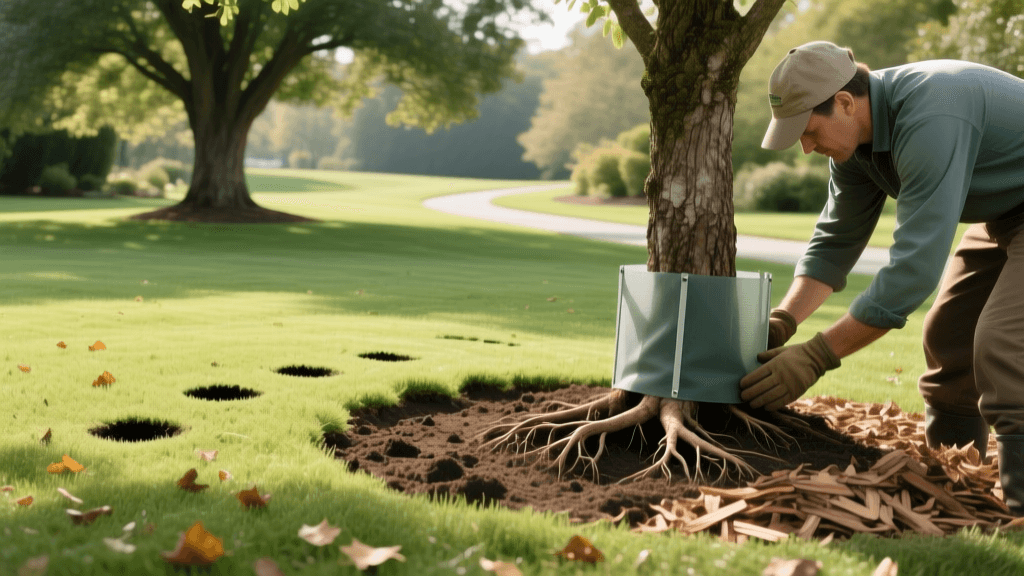
How to Protect Trees During Lawn Renovation Projects
The Hidden Conflict: Turf Renovation vs. Tree Health
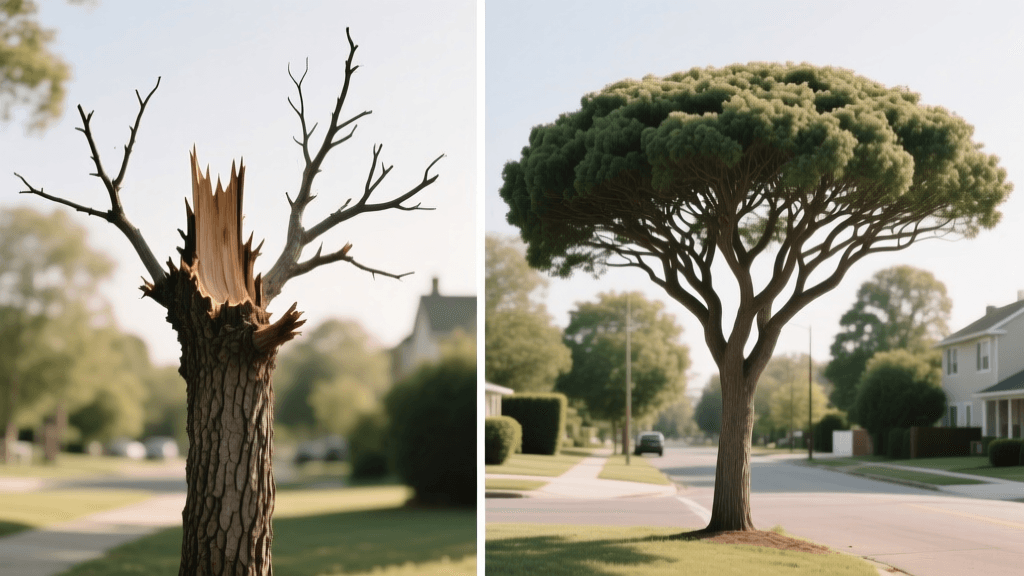
Lawn renovation is a transformative process that can breathe new life into a tired, compacted, or weed-ridden yard. Whether you are overseeding, core aerating, topdressing, or completely regrading your landscape, the goal is always a lush, vibrant carpet of grass. However, in the pursuit of perfect turf, homeowners and landscaping contractors often inadvertently inflict severe, sometimes fatal, damage to established trees. Turfgrass and trees are naturally competitive organisms, vying for the same sunlight, water, and soil nutrients. When aggressive lawn recovery techniques are applied without considering the subterranean architecture of your trees, the results can be devastating.
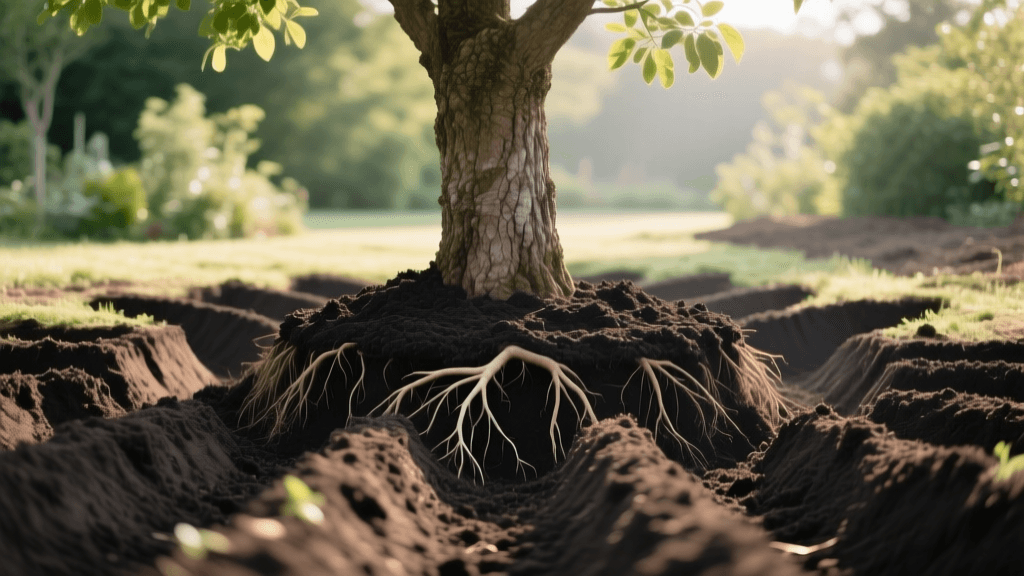
The primary issue lies beneath the surface. While the canopy of a tree might seem separate from the lawn, the root system of a mature tree often extends two to three times beyond its drip line, intertwining directly with the root zone of your turfgrass. Understanding how to navigate lawn renovation without compromising tree health is essential for a truly successful landscape recovery. According to the Arbor Day Foundation's Tree Care Guide, protecting the soil structure and root systems during any landscape modification is the single most important factor in maintaining long-term tree vitality.
Defending the Critical Root Zone (CRZ)
Before firing up a rototiller or pulling a heavy core aerator across your yard, you must identify and map out the Critical Root Zone (CRZ) for every tree on your property. The CRZ is the minimum area of soil that must remain undisturbed to ensure the tree's survival and structural stability.
The industry-standard formula for calculating the CRZ is based on the tree's Diameter at Breast Height (DBH). Measure the trunk diameter at 4.5 feet above the ground. For every 1 inch of trunk diameter, the CRZ extends 1 foot outward from the trunk in all directions. For example, a mature oak tree with a 24-inch DBH has a CRZ radius of 24 feet. Within this 24-foot circle, the majority of the tree's vital feeder roots and structural anchor roots reside. Any soil compaction, grading, or deep tilling within this zone severely restricts oxygen and water flow, leading to a slow decline that may not become visually apparent in the canopy for three to five years.
Evaluating Lawn Renovation Techniques Near Trees
Not all lawn recovery methods pose the same level of threat to your trees. Below is a comparison chart detailing the impact of common turf renovation practices and how to safely implement them near established trees.
| Renovation Method | Root Impact Level | Safe Buffer Distance | Alternative for CRZ |
|---|---|---|---|
| Core Aeration | Moderate | 5 feet from trunk | Hand aeration / Liquid aeration |
| Rototilling | Severe | Outside Drip Line | Air spade / Vertical mulching |
| Topdressing | Low to Moderate | Max 1 inch depth | Compost tea / Micro-injections |
| Grading / Soil Cuts | Severe | Outside CRZ | Retaining walls / Terracing |
| Slice Seeding | Moderate | Outside Drip Line | Overseeding by hand / Hydroseeding |
Step-by-Step Guide to Aerating Lawns with Mature Trees
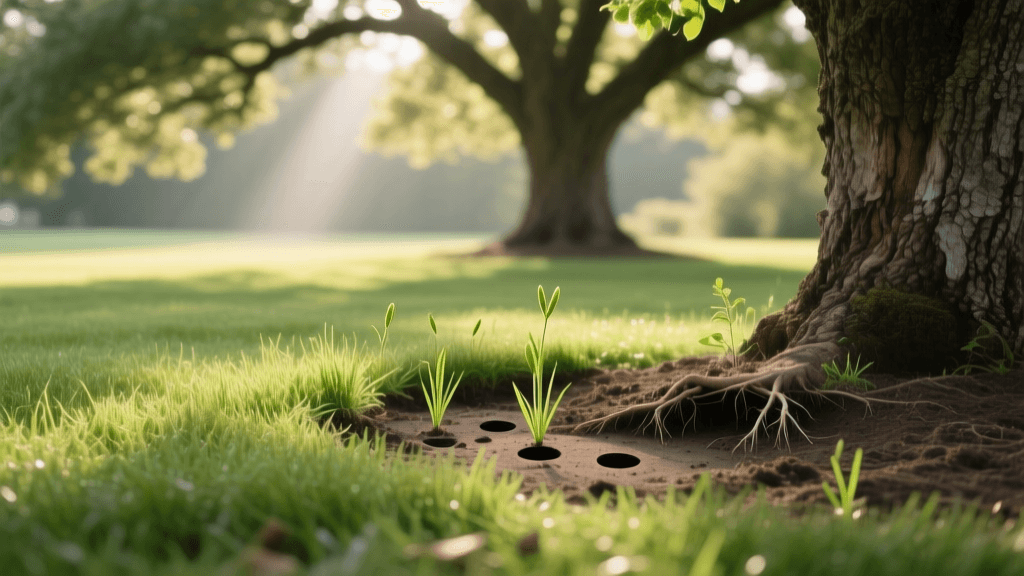
Core aeration is a cornerstone of lawn recovery, relieving soil compaction and allowing water, air, and fertilizer to reach turfgrass roots. However, the steel tines of a mechanical aerator typically penetrate 2 to 3 inches into the soil. Because the vast majority of a tree's fine feeder roots occupy the top 6 to 12 inches of soil, mechanical aeration inside the CRZ acts like a cheese grater on the tree's primary nutrient-gathering system.
To safely aerate a lawn with mature trees, establish a strict 5-foot buffer zone around the base of every trunk where no motorized equipment is permitted. Within this inner circle, use a manual hand aerator or a pitchfork to gently relieve compaction without tearing through major roots. For the area between the 5-foot buffer and the edge of the CRZ, consider using liquid aeration products containing humic acids and surfactants. These liquids break up soil tension chemically rather than mechanically, providing the benefits of aeration without the physical root damage. Research from the University of Minnesota Extension highlights that minimizing mechanical soil disruption is paramount to preventing the onset of secondary pests and fungal pathogens that exploit root wounds.
Managing Soil Grade Changes and Topdressing
When leveling a bumpy lawn or preparing a seedbed, it is tempting to bring in loads of topsoil to fill in low spots. Adding soil over a tree's root system is one of the most common and lethal mistakes made during landscape renovations. Tree roots require a constant exchange of gases; they take in oxygen and release carbon dioxide. Burying the root flare or adding more than 1 to 2 inches of soil over the CRZ suffocates the roots, leading to phytophthora root rot and eventual tree death.
If your lawn renovation requires significant regrading, you must avoid altering the soil grade within the CRZ. If you must raise the grade of the surrounding lawn, install a retaining wall or build a terraced transition zone just outside the tree's drip line to hold back the new soil. Never let fill dirt touch the trunk of the tree. The root flare—the area where the trunk widens and transitions into the structural roots—must always remain visible and exposed to the air.
Fertilizer and Herbicide Considerations
Lawn recovery often involves heavy applications of starter fertilizers and broadleaf weed control. Turfgrass fertilizers are typically high in quick-release nitrogen, which can cause severe fertilizer burn to shallow tree feeder roots if applied in excessive concentrations. When fertilizing the lawn near trees, use a slow-release, organic nitrogen source that will feed the grass steadily without creating toxic salt buildups in the shared soil profile.
Even more dangerous are broadleaf herbicides, particularly those found in 'Weed and Feed' products containing 2,4-D, Dicamba, or MCPP. Trees are broadleaf plants. When these chemicals are watered into the soil within the CRZ, the tree's roots absorb them, leading to severe leaf cupping, defoliation, and long-term vascular damage. During lawn renovation, abandon broadcast 'Weed and Feed' applications. Instead, use targeted spot-spraying for weeds in the turf, and keep all systemic herbicides strictly outside the tree's drip line.
Watering Protocols for New Grass and Old Trees
Newly seeded or sodded lawns require frequent, shallow watering to keep the top inch of soil consistently moist. Established trees, conversely, require infrequent, deep watering that penetrates 12 to 18 inches into the soil to encourage deep root growth and drought tolerance. These two watering regimens are fundamentally incompatible if managed on the same irrigation zone.
If you are renovating the lawn around mature trees, you must separate your watering strategies. Rely on your sprinkler system or daily hose watering to establish the new turf. For the trees, install a soaker hose or a temporary drip irrigation line spiraling outward from the edge of the mulch ring to the drip line. Run the tree irrigation deeply once a week, ensuring the water bypasses the thirsty turfgrass and reaches the deeper tree roots. This prevents the tree from suffering drought stress while the lawn is receiving constant, shallow moisture.
Proper Mulching: The 3-3-3 Rule
One of the best ways to protect trees during and after a lawn renovation is to establish a proper mulch ring, eliminating the need to grow grass right up to the trunk. Grass growing against the trunk invites string trimmer damage (the infamous 'weed whacker blight') and creates a zone of intense moisture and nutrient competition.
Follow the 3-3-3 rule recommended by certified arborists registered with the International Society of Arboriculture (ISA): Apply a layer of organic mulch (like shredded hardwood or pine bark) that is 3 inches deep, extends 3 feet outward from the trunk (or to the drip line if possible), and is kept 3 inches away from the actual bark of the trunk. Never pile mulch against the trunk in a 'volcano' shape, as this traps moisture against the bark, inviting rot and providing a winter home for bark-gnawing rodents.
Conclusion
Lawn renovation and tree preservation do not have to be mutually exclusive. By mapping the Critical Root Zone, modifying your aeration and grading techniques, avoiding toxic herbicide uptake, and separating your watering schedules, you can achieve a pristine, recovered lawn while safeguarding the structural and biological health of your canopy. A healthy landscape is a balanced ecosystem; treating the soil beneath your grass with the same respect as the soil beneath your trees is the hallmark of expert landscape stewardship.