Tree Care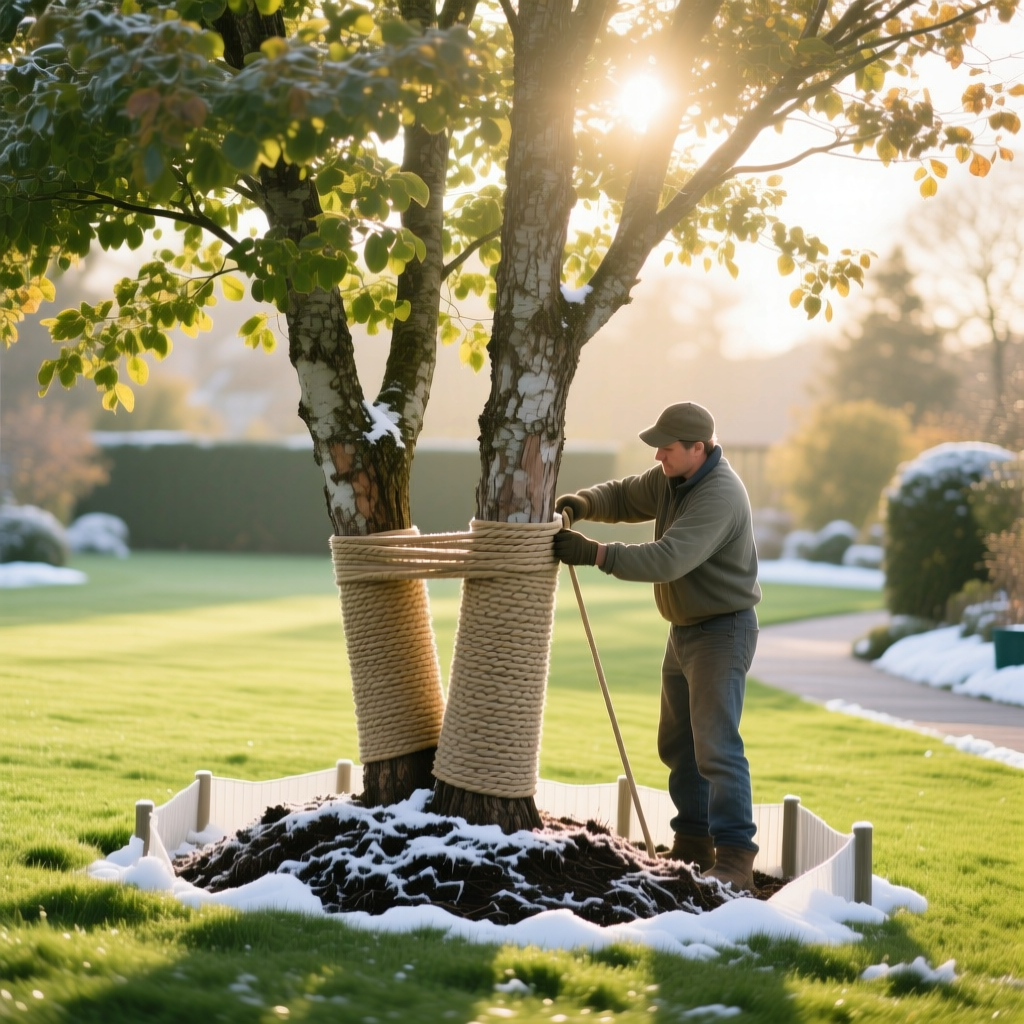
How to Protect Trees From Salt Damage in Winter: A Complete Guide
Robert HayesPublished
Winter brings a host of challenges for homeowners who take pride in their landscapes, and one of the most insidious threats to tree health is salt damage. Whether it comes from road de-icing salts splashing onto your property, salty runoff seeping into the soil, or even ocean spray in coastal regions, salt can wreak havoc on trees of all sizes & species. The damage often goes unnoticed until spring arrives & trees fail to leaf out properly, display scorched foliage, or show stunted growth.
Understanding how salt affects trees & taking proactive steps to protect them is one of the most important things you can do for your landscape during the colder months. In this comprehensive guide, we will explore the science behind salt damage, the trees most vulnerable to it, & the practical strategies you can implement to shield your trees from harm. For broader seasonal landscape preparation, check out our winter lawn preparation guide to ensure your entire yard is ready for the cold.
Understanding How Salt Damages Trees
Before you can protect your trees, it is essential to understand the mechanisms through which salt causes harm. Salt damage occurs in two primary ways: through direct contact with foliage & bark, & through absorption via the root system. Both pathways can lead to severe physiological stress & long-term decline if left unaddressed.
Aerial Salt Exposure
When vehicles travel on salted roads, tires spray a fine mist of salt-laden water onto nearby trees. This aerosolized salt settles on buds, twigs, bark, & any remaining evergreen foliage. Over time, the salt draws moisture out of plant tissues through osmosis, causing desiccation that resembles burn damage. Evergreen species are particularly vulnerable because their needles or leaves remain exposed throughout the winter months. You will often notice browning on the side of the tree facing the road, while the sheltered side remains green & healthy.
Soil-Borne Salt Accumulation
The second & often more damaging pathway is through the soil. As snow & ice melt, salt-laden runoff infiltrates the ground around your trees. Sodium chloride, the most commonly used de-icing salt, dissolves into sodium & chloride ions. Chloride ions are readily absorbed by tree roots & transported to the leaves, where they accumulate to toxic levels. This disrupts photosynthesis, interferes with enzyme function, & can cause premature leaf drop or needle browning.
Sodium ions, on the other hand, alter soil structure by displacing essential nutrients like calcium, magnesium, & potassium from soil particles. This process, known as sodification, degrades soil tilth, reduces water infiltration, & creates a hostile environment for root growth. The combined effect of chloride toxicity & sodium-induced soil degradation can lead to a slow decline that may take years to fully manifest. If you are dealing with broader soil health issues, our soil testing & amendments guide can help you diagnose & correct imbalances across your entire landscape.
Which Trees Are Most Vulnerable?
Not all trees respond to salt exposure equally. Some species have evolved natural tolerance mechanisms, while others are extremely sensitive. Trees that are generally considered salt-sensitive include sugar maple, red maple, eastern hemlock, Douglas fir, boxwood, & many fruit trees such as apple & cherry. These species should be planted well away from roads, driveways, & walkways where de-icing salts are regularly applied.
Moderately tolerant species include Norway maple, honeylocust, blue spruce, & junipers. Highly salt-tolerant trees, which are ideal for planting near salted surfaces, include white oak, bur oak, ginkgo, London plane tree, Russian olive, & eastern red cedar. When planning new plantings or replacements, choosing salt-tolerant species is one of the most effective long-term strategies. Our tree selection guide provides more detail on matching species to site conditions.
Preventive Strategies to Shield Trees From Salt
Prevention is always more effective & less costly than treatment. By implementing a combination of physical barriers, smart material choices, & proper planting techniques, you can dramatically reduce the amount of salt that reaches your trees during winter.
Install Physical Barriers
One of the simplest & most effective ways to protect trees near roads & driveways is to erect a physical barrier between the salt source & the tree. Burlap screens, snow fencing, or specialized tree wraps can intercept salt spray before it reaches the bark & foliage. For best results, install barriers on the road-facing side of the tree, extending from the ground to a height of at least four to six feet. Secure the barrier firmly to stakes driven into the ground, ensuring it will withstand winter winds & heavy snow loads.
For smaller trees & shrubs, you can create a full enclosure using burlap wrapped around a frame of wooden stakes. This not only protects against salt spray but also reduces wind desiccation & shields tender bark from sunscald. Remove these barriers in early spring to allow proper air circulation & prevent fungal issues. For more on protecting your landscape investments, visit our winter tree protection basics page.
Use Alternative De-Icing Products
If you control the de-icing practices on your property, switching to less harmful products can make a significant difference. Calcium magnesium acetate (CMA) is a biodegradable, chloride-free de-icer that is far less damaging to trees & soil than sodium chloride. While it is more expensive, it works effectively at moderate temperatures & does not leave behind toxic residues.
Other alternatives include calcium chloride, which is less harmful than rock salt & works at lower temperatures, & potassium chloride, which actually provides a plant nutrient rather than a toxin. You can also improve traction without chemicals by spreading sand, kitty litter, or fine gravel on icy surfaces. These materials do not melt ice but provide grip for foot traffic & vehicles, eliminating the need for salt in many residential situations. If you are also maintaining pathways & hardscapes, our landscape edging & pathways guide offers tips on designing salt-resistant walkways.
Create Buffer Zones With Strategic Planting
Planting a dense row of salt-tolerant shrubs or trees between your valuable specimens & the salt source can serve as a living windbreak & salt filter. Species like juniper, arborvitae, & rugosa rose can absorb & deflect a significant portion of salt spray before it reaches more sensitive plants behind them. Plan these buffer zones to be at least six to ten feet wide for maximum effectiveness.
Additionally, grading your landscape so that runoff from salted surfaces drains away from tree root zones can prevent soil accumulation of sodium & chloride. Installing French drains or swales to redirect meltwater is a worthwhile investment for properties with significant salt exposure. Our yard drainage solutions article covers techniques that can help manage runoff across your entire property.
Maintain Tree Health Year-Round
A healthy tree is inherently more resilient to environmental stressors, including salt exposure. Proper watering, mulching, fertilization, & pruning all contribute to a tree's ability to withstand & recover from salt damage. Deep watering during dry fall periods ensures that trees enter winter with adequate moisture reserves, making them less susceptible to the desiccating effects of salt.
Applying a two- to four-inch layer of organic mulch around the base of trees (keeping it away from the trunk) helps retain soil moisture, moderates soil temperature, & improves soil structure over time. Well-structured soil with good organic matter content can buffer the effects of sodium by providing alternative cation exchange sites. For detailed mulching techniques, see our mulching trees correctly guide.
Treating & Rehabilitating Salt-Damaged Trees
Despite your best preventive efforts, salt damage may still occur, especially during harsh winters with heavy de-icing activity. Recognizing the symptoms early & taking swift corrective action can save affected trees & restore their health over time.
Recognizing the Signs of Salt Damage
Salt damage symptoms typically appear in early spring as trees break dormancy. Common signs include marginal browning or scorching of leaves on deciduous trees, browning of needle tips on evergreens, delayed bud break, stunted or distorted new growth, & dieback of twigs & branches, particularly on the side facing the salt source. In severe cases, you may notice a white crust of salt deposits on the bark or soil surface around the base of the tree.
It is important to distinguish salt damage from other winter injuries such as frost cracks, sunscald, or animal browsing. Salt damage tends to be directional, affecting primarily the road-facing side, & it often appears uniformly across multiple species in the same area. If you are unsure about the cause of your tree's decline, consult a certified arborist for a professional diagnosis.
Flush the Soil in Early Spring
One of the most effective treatments for soil-borne salt accumulation is leaching. In early spring, once the ground has thawed, apply large volumes of water to the root zone of affected trees. The goal is to dissolve accumulated salts & push them below the root zone, where they can no longer be absorbed. Apply approximately two inches of water per hour for several hours, repeating the process two or three times over the course of a week if drainage permits.
This technique works best in well-drained soils. In heavy clay soils, leaching may be slower & less effective, making soil amendment with gypsum (calcium sulfate) a valuable supplementary treatment. Gypsum provides calcium ions that displace sodium from soil particles, allowing the sodium to be leached away more easily. Apply gypsum at a rate of approximately 50 pounds per 1,000 square feet around the drip line of affected trees & water it in thoroughly.
Prune Damaged Branches & Foliage
Once you have identified salt-damaged branches, prune them back to healthy wood using clean, sharp tools. Remove dead, dying, or severely scorched branches to prevent secondary infections by fungal pathogens or boring insects. Make clean cuts just outside the branch collar to promote rapid wound closure. Avoid heavy pruning in late summer or fall, as this can stimulate new growth that will not harden off before winter. For a complete seasonal pruning calendar, refer to our pruning trees by season guide.
For evergreen trees with browned needle tips, the damage is largely cosmetic & the tree will often push new growth in spring that masks the discolored foliage. Resist the urge to shear off all browned tips, as this can remove viable buds & further stress the tree.
Amend the Soil & Fertilize Appropriately
After leaching salts from the soil, replenish the nutrients that may have been displaced or lost. A soil test will reveal specific deficiencies & guide your fertilization strategy. In general, applying a balanced, slow-release fertilizer in spring can help salt-stressed trees recover by providing the nutrients needed for new root & shoot growth. Avoid high-nitrogen fertilizers, which can promote excessive top growth at the expense of root development.
Incorporating organic matter such as compost into the soil surface around affected trees improves soil structure, enhances microbial activity, & increases the soil's capacity to buffer against future salt exposure. Top-dressing with an inch or two of high-quality compost in spring & fall is a gentle, effective way to rebuild soil health over time. Learn more about building healthy soil in our composting for beginners guide.
Seasonal Tree Care Tips to Minimize Winter Salt Stress
Protecting trees from salt damage is not a one-time task but a year-round commitment. Each season offers opportunities to strengthen your trees & prepare them for the challenges ahead. Here is a seasonal breakdown of the most impactful practices.
Fall Preparation
Autumn is the most critical season for preparing trees to withstand winter salt exposure. Begin by deep watering all trees, especially evergreens, until the ground freezes. Trees that enter winter with adequate soil moisture are far more resistant to the desiccating effects of salt spray & frozen ground. Apply a fresh layer of mulch around the base of trees to insulate roots & conserve moisture.
Install physical barriers such as burlap screens or tree wraps before the first snowfall. If you use de-icing products on your own driveway & walkways, stock up on tree-safe alternatives like CMA or sand before winter arrives. Rake & remove fallen leaves from around salt-sensitive trees, as decaying leaves can trap salt-laden meltwater against the trunk & root flare.
Winter Monitoring
During winter, periodically inspect your trees for signs of salt accumulation, bark damage, or structural issues caused by heavy snow & ice. Gently brush heavy snow off branches to prevent breakage, but avoid shaking branches, which can cause them to snap when frozen. If you notice salt crusting on bark or soil surfaces, note the location so you can target that area for flushing in spring.
Avoid piling snow from salted driveways or roads around the base of trees. This concentrated, salt-laden snow creates a toxic zone around the root system that can cause severe damage when it melts. Instead, direct snow piles to areas well away from tree root zones, ideally beyond the drip line. Our common winter tree problems page covers additional issues to watch for during the cold months.
Spring Recovery
As temperatures rise & the ground thaws, begin the recovery process by flushing salt-affected soils as described earlier. Monitor trees closely for signs of delayed bud break, abnormal leaf color, or dieback. Prune out damaged wood once the full extent of injury becomes apparent, usually by late spring.
Apply a layer of compost & a balanced fertilizer to support recovery. Keep trees well-watered throughout the spring & early summer, as salt-stressed root systems may be compromised in their ability to absorb water. If a tree shows severe decline with more than fifty percent canopy dieback, consult an arborist to assess whether the tree can be saved or should be replaced with a more salt-tolerant species.
Summer Strengthening
Summer care focuses on rebuilding the tree's vigor so it enters the next winter in peak condition. Maintain consistent watering during dry spells, apply mulch to conserve moisture, & monitor for pest & disease pressure, which can exploit weakened trees. Avoid heavy pruning during summer heat, but do remove any dead or diseased wood promptly to prevent the spread of infection.
Summer is also an excellent time to evaluate your landscape design & plan any changes that will reduce salt exposure in future winters. Consider relocating particularly sensitive specimens, expanding buffer plantings, or regrading areas where salt-laden runoff collects. For ideas on creating a resilient, low-maintenance landscape, explore our low-maintenance landscaping tips.
Long-Term Strategies for Salt-Resistant Landscapes
If you live in an area where salt exposure is an annual reality, investing in long-term landscape adaptations will save you time, money, & heartache. Beyond choosing salt-tolerant tree species, consider these broader strategies.
Design your landscape with salt exposure zones in mind. Place the most salt-tolerant species closest to roads & driveways, with moderately tolerant species in the middle zone, & sensitive species in protected interior areas. Use berms, fences, & dense hedgerows to create microclimates that reduce salt drift. Improve overall soil health across your property by regularly adding organic matter, maintaining proper pH, & ensuring good drainage. Healthy, well-structured soils are naturally more resistant to the degrading effects of sodium.
Finally, advocate for responsible de-icing practices in your community. Many municipalities are adopting reduced-salt programs, pre-wetting techniques, & alternative de-icers for public roads. Supporting these initiatives benefits not only your trees but also local waterways, wildlife, & infrastructure. A well-maintained landscape contributes to the overall health of your neighborhood. For more on maintaining a thriving yard throughout the year, visit our complete lawn care calendar.
Frequently Asked Questions About Protecting Trees From Salt Damage
Can salt-damaged trees fully recover?
Yes, many trees can recover from moderate salt damage if the stress is addressed promptly. Flushing the soil with water in spring, pruning damaged wood, improving soil health, & ensuring adequate moisture throughout the growing season give trees the best chance of bouncing back. However, trees that suffer severe, repeated salt exposure over many years may experience irreversible decline. The key is early intervention & consistent preventive measures each winter. Young trees & newly planted specimens are more vulnerable & may require extra protection during their establishment period, which our new tree planting guide covers in detail.
What is the safest de-icing product to use around trees?
Calcium magnesium acetate (CMA) is widely regarded as the safest de-icing product for use around trees & other landscape plants. It is biodegradable, non-corrosive, & does not leave behind harmful chloride or sodium residues. While CMA is more expensive than traditional rock salt, its environmental benefits make it a worthwhile investment for homeowners who want to protect their landscapes. For traction without any chemical de-icer, sand or fine gravel are excellent alternatives that pose zero risk to tree health.
How far from a salted road should I plant sensitive trees?
As a general guideline, salt-sensitive trees should be planted at least 30 to 60 feet from a heavily salted road. Salt spray can travel significant distances depending on wind speed, traffic volume, & the amount of salt applied. Moderately tolerant species can be placed 15 to 30 feet away, while highly salt-tolerant trees may thrive even within 10 to 15 feet of the road. Always consider prevailing wind direction when siting trees, as salt spray will travel farther on the downwind side. Creating buffer plantings of salt-tolerant shrubs between the road & your sensitive trees can extend the effective planting distance.
Does road salt affect my lawn as well as my trees?
Absolutely. Road salt can damage turfgrass just as it damages trees, causing brown patches, thinning, & poor growth along roadsides & walkways. The sodium in road salt degrades soil structure, reduces water infiltration, & displaces essential nutrients. To protect your lawn, flush salt-affected areas with water in spring, apply gypsum to displace sodium, & overseed damaged patches with salt-tolerant grass varieties. Our salt-damaged lawn repair guide provides step-by-step instructions for restoring turf health after winter salt exposure.
When should I remove winter tree wraps & barriers?
Remove burlap screens, tree wraps, & other winter barriers in early to mid-spring, once the threat of heavy salt spray has passed & temperatures are consistently above freezing. Leaving barriers on too long can trap moisture against the bark, promote fungal growth, & restrict air circulation as the tree begins active growth. Inspect the trunk & branches as you remove wraps, looking for signs of rodent damage, cankers, or salt crusting that may need attention. Clean & store barriers in a dry location so they are ready for reuse the following winter. Proper timing of barrier removal is just one part of a comprehensive spring tree care checklist that sets your trees up for a healthy growing season.
