Tree Care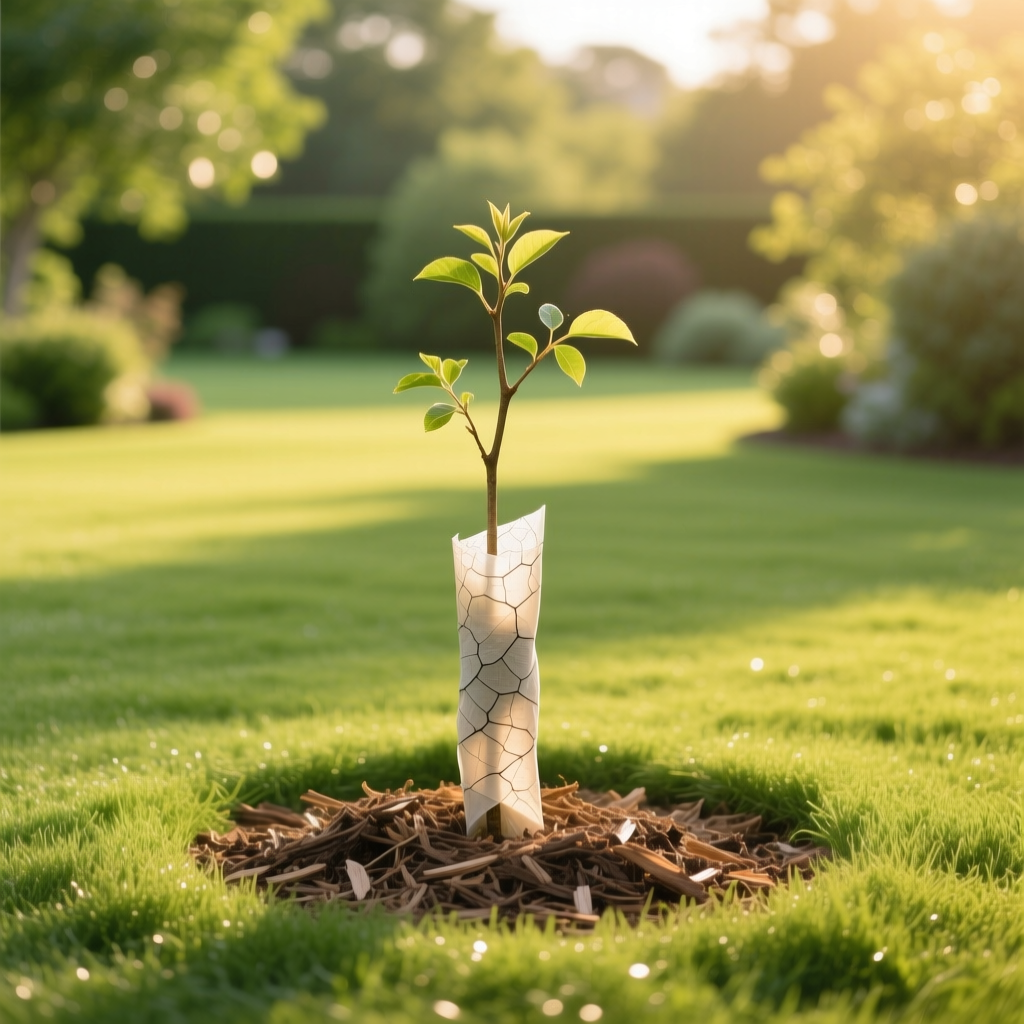
How to Protect Young Trees from Frost Cracks & Sunscald:
Young trees represent a significant investment in your landscape's future, yet they are remarkably vulnerable to winter damage that can compromise their health and structural integrity for years to come. Two of the most common and destructive cold-weather injuries — frost cracks and sunscald — can silently devastate a young tree before you even notice the damage. Unlike mature trees with thick, rugged bark, young specimens have thin, delicate bark that offers minimal protection against the extreme temperature fluctuations of winter.
Understanding the science behind these injuries and implementing proactive protection strategies is essential for any homeowner or gardener who wants to see their young trees thrive. In this comprehensive guide, we will walk you through everything you need to know about frost cracks and sunscald, from the underlying causes to practical, hands-on prevention techniques that you can implement right away. Whether you planted your trees last spring or are preparing newly established specimens for their first real winter, these strategies will give your trees the best chance of emerging healthy and strong when warmer weather returns.
For more foundational advice on establishing a healthy landscape, explore our lawn care basics section, which covers complementary practices that support overall yard health alongside proper tree care.
Understanding Frost Cracks & Sunscald: What Happens to Young Trees in Winter
Before diving into prevention strategies, it is critical to understand exactly what frost cracks and sunscald are, how they differ, and why young trees are so susceptible to both forms of damage.
What Are Frost Cracks?
Frost cracks are vertical splits that appear in the bark and underlying wood of a tree, typically on the trunk. They occur when temperatures drop rapidly, causing the outer layers of the trunk to contract faster than the inner wood. This differential contraction creates enormous internal stress, and when that stress exceeds the tensile strength of the wood, the trunk literally splits open with an audible crack — sometimes loud enough to be heard across a yard.
These cracks most commonly appear on the south or southwest side of the trunk, where the sun has warmed the bark during the day, creating the greatest temperature differential when the sun sets and temperatures plummet. Frost cracks can range from hairline fractures to gaping wounds several feet long that expose the inner heartwood to moisture, insects, and fungal pathogens.
What Is Sunscald?
Sunscald, sometimes called southwest injury or winter sunscald, is a different but related problem. During cold winter days, bright sunshine can heat the bark on the south and southwest-facing side of a young tree to temperatures significantly above the surrounding air temperature — sometimes by as much as 40°F or more. This warmth activates the living cells in the cambium layer just beneath the bark, essentially tricking them out of dormancy.
When the sun drops behind clouds, buildings, or the horizon, temperatures crash and those newly active cells freeze and die. The result is a sunken, discolored, or cracked area of bark that may not become fully visible until spring when the dead bark peels away to reveal damaged tissue underneath. Sunscald is particularly insidious because the damage accumulates over the course of an entire winter, and by the time you notice it, the injury is already done.
Why Young Trees Are Especially Vulnerable
Young trees — generally those with trunks less than four inches in diameter — have thin, smooth bark that provides very little insulation against temperature extremes. Species such as maple, cherry, crabapple, linden, ash, and honey locust are particularly prone to both frost cracks and sunscald because of their naturally thin bark. As trees mature, their bark thickens and develops a rough, furrowed texture that provides far better insulation and protection against thermal stress.
Additionally, young trees often lack the extensive canopy of mature specimens, meaning more direct sunlight reaches the trunk during winter when leaves have fallen. This combination of thin bark and high sun exposure creates the perfect conditions for cold-weather injury.
Essential Protection Methods: Wrapping, Mulching & Strategic Placement
Now that you understand the mechanisms behind frost cracks and sunscald, let us explore the most effective strategies for protecting your young trees. A layered approach combining several methods will yield the best results.
Tree Wrapping: Your First Line of Defense
Wrapping the trunk of a young tree is the single most effective way to prevent both frost cracks and sunscald. Commercial tree wrap — typically made from crepe paper, burlap, or specialized fabric — reflects sunlight and insulates the bark against rapid temperature swings.
How to wrap a young tree properly:
- Begin wrapping at the base of the trunk and spiral upward, overlapping each layer by about one-third
- Continue wrapping to a height of at least two feet, or up to the first set of branches if they are low
- Secure the top with tape or twine, but avoid using wire or anything that could girdle the trunk
- Apply the wrap in late autumn after the first hard frost, once the tree has entered dormancy
- Remove the wrap in early spring as new growth begins — leaving wrap on too long can trap moisture and encourage fungal growth or provide shelter for boring insects
White or light-colored wraps are ideal because they reflect sunlight most effectively, reducing the daytime warming that drives the freeze-thaw cycle responsible for sunscald. Some gardeners also use white plastic tree guards, which offer the added benefit of protecting against rodent damage during winter months.
Mulching for Root & Trunk Protection
A proper mulch ring around the base of a young tree serves multiple protective functions. Mulch insulates the soil, moderating temperature fluctuations that affect the root zone and the base of the trunk. It also retains soil moisture, which is critical because drought-stressed trees are far more susceptible to cold injury.
Apply a layer of organic mulch — such as shredded hardwood, pine bark, or wood chips — two to four inches deep in a ring extending at least three feet from the trunk in all directions. Critically, keep the mulch pulled back two to three inches from the trunk itself to prevent moisture buildup against the bark, which can lead to rot and attract pests. This technique is sometimes called the "donut method" and is a cornerstone of proper tree mulching practices.
Strategic Planting & Placement
If you are still in the planning stages of your landscape, consider how placement can naturally protect young trees from frost cracks and sunscald. Planting on the north or east side of a building, fence, or existing mature tree can provide afternoon shade that reduces the intense winter sun exposure driving sunscald. Grouping trees together also creates a microclimate that moderates temperature extremes compared to a solitary tree planted in an open, exposed lawn.
For existing young trees that cannot be moved, consider installing a temporary shade barrier on the south or southwest side. A simple burlap screen stretched between two stakes can reduce direct sun exposure during the most critical winter months without blocking air circulation.
Proper Hydration Before Winter
One of the most overlooked aspects of winter tree protection is ensuring adequate soil moisture going into the cold season. Trees that enter winter with dry root systems are significantly more vulnerable to frost cracks because dehydrated wood is less flexible and more prone to splitting under thermal stress.
Continue watering your young trees deeply through autumn until the ground freezes. A thorough soaking once a week — providing roughly one inch of water — helps build up moisture reserves in both the soil and the tree's tissues. This practice ties into broader fall watering strategies that benefit your entire landscape.
Pruning Practices That Reduce Winter Damage Risk
Pruning plays a surprisingly important role in protecting young trees from frost cracks and sunscald, though improper pruning can actually increase vulnerability. Understanding when and how to prune is essential for building a resilient tree structure.
Timing Your Pruning Correctly
The best time to prune most young trees is during late winter or very early spring while the tree is still fully dormant. Pruning in late autumn can stimulate new growth that will not harden off before freezing temperatures arrive, and fresh pruning wounds are more susceptible to cold injury. Avoid heavy pruning in late summer as well, since this can delay dormancy.
Light corrective pruning — removing damaged, diseased, or crossing branches — can be done at almost any time, but structural pruning should wait for the dormant season. For detailed guidance, consult our young tree pruning guide for species-specific recommendations.
Building a Strong Branch Structure
Trees with strong, well-spaced scaffold branches are inherently more resistant to frost cracks because they distribute stress more evenly across the trunk. When pruning young trees, focus on establishing a central leader and selecting branches with wide crotch angles — ideally 60 to 90 degrees — which are structurally stronger than narrow, V-shaped junctions.
Removing lower branches gradually over several years also helps. However, avoid stripping all lower branches at once, as these branches shade the trunk and protect it from direct winter sun. A good rule of thumb is to never remove more than 25 percent of a young tree's canopy in a single season.
Avoiding Late-Season Fertilization
While not technically a pruning practice, fertilization timing directly affects how well a tree's wood hardens off before winter. Avoid applying nitrogen-rich fertilizers after midsummer. Late-season nitrogen promotes soft, succulent growth that is extremely vulnerable to frost damage. Instead, if your soil test indicates a need for nutrients, apply a slow-release, balanced fertilizer in early spring when the tree can use it for healthy, well-timed growth. Our soil testing guide can help you determine exactly what your trees and lawn need.
Recognizing & Managing Diseases That Exploit Winter Wounds
Frost cracks and sunscald injuries are not just cosmetic problems — they create open wounds that serve as entry points for a wide range of fungal and bacterial pathogens. Understanding which diseases to watch for and how to manage them is a critical component of comprehensive young tree care.
Canker Diseases
Canker fungi, including species of Cytospora, Nectria, and Botryosphaeria, are among the most common invaders of winter-damaged bark. These pathogens cause sunken, discolored areas on the trunk and branches that may ooze sap or develop raised margins as the tree attempts to wall off the infection. In severe cases, cankers can girdle and kill entire branches or even the main trunk.
Prevention is the most effective management strategy. Protecting the bark from injury in the first place eliminates the entry point. If cankers do develop, prune affected branches well below the visible margin of infection, making clean cuts at branch collars. Disinfect pruning tools between cuts with a solution of 70 percent alcohol or 10 percent bleach to avoid spreading the pathogen.
Wood Decay Fungi
When frost cracks expose the heartwood, wood decay fungi such as Armillaria, Ganoderma, and Phellinus can colonize the inner wood. These fungi are far more dangerous than canker pathogens because they compromise the structural integrity of the tree, potentially leading to catastrophic failure years later.
Once wood decay is established, it cannot be cured. The best approach is prevention through bark protection and proper wound care. If you notice fungal conks or mushrooms emerging from the trunk of a young tree, consult a certified arborist to assess the extent of internal decay and determine whether the tree can be saved.
Bacterial Wetwood
Some species, particularly elm, poplar, and maple, are susceptible to bacterial wetwood (also called slime flux) when wounds expose the inner wood to bacterial colonization. The bacteria ferment the sap, producing a foul-smelling, dark liquid that seeps from cracks and wounds. While wetwood is rarely fatal on its own, it weakens the tree and makes it more susceptible to other stressors.
Maintaining overall tree vigor through proper watering, mulching, and disease management helps the tree compartmentalize infections and continue growing despite bacterial presence.
Seasonal Care Calendar: A Month-by-Month Protection Plan
Protecting young trees from frost cracks and sunscald is not a one-time task — it requires attention throughout the year. Here is a seasonal calendar to help you stay ahead of potential problems.
Spring (March Through May)
Remove tree wraps as soon as the threat of hard freezes has passed and bud break begins. Inspect the trunk carefully for signs of sunscald — look for sunken, cracked, or discolored bark on the south and southwest sides. If damage is found, do not apply wound paint or sealants; research has shown that trees heal more effectively when wounds are left to callus naturally. Instead, ensure the tree receives adequate water and nutrition to support the healing process.
This is also the ideal time to apply a fresh layer of mulch, perform structural pruning, and apply spring fertilizer if a soil test indicates the need. Establishing a healthy spring lawn care routine around your trees creates a thriving ecosystem that supports root health.
Summer (June Through August)
Focus on maintaining consistent moisture, especially during dry spells. Young trees need roughly one to one and a half inches of water per week during the growing season. Deep, infrequent watering encourages deep root growth, which improves overall stability and drought tolerance. Avoid pruning during the heat of summer except to remove storm-damaged or diseased branches.
Monitor the trunk for signs of borer activity — small holes, sawdust-like frass, or sap oozing from the bark — as borers are attracted to stressed trees and can cause damage that compounds winter injuries.
Autumn (September Through November)
Begin preparing your trees for winter by ensuring they are well-hydrated. Continue watering through autumn until the ground freezes. Stop fertilizing by late summer to allow new growth to harden off. Once the tree has gone dormant and experienced its first hard frost, apply tree wrap from the base upward.
Install rodent guards if voles or rabbits are a problem in your area — these pests love to gnaw on the tender bark of young trees, especially when snow covers the ground and other food sources are scarce. Hardware cloth or plastic tree guards buried a few inches below the soil surface provide excellent protection.
Winter (December Through February)
After heavy snowfalls, gently brush accumulated snow off the lower branches of young evergreens and any deciduous trees with low branching. Heavy, wet snow can cause branches to bend and break, creating wounds that will be vulnerable the following winter.
Check tree wraps periodically to ensure they have not slipped, torn, or become saturated with moisture. If you used plastic guards, make sure they are not trapping excess moisture against the bark. On warm winter days, take the opportunity to inspect the trunk for any early signs of sunscald damage so you can plan appropriate spring care.
For more comprehensive seasonal strategies that integrate tree care with overall landscape management, visit our seasonal lawn care hub.
Frequently Asked Questions
At what age do trees outgrow the risk of frost cracks and sunscald?
Most trees become significantly less vulnerable once their bark thickens and develops a rough, furrowed texture, which typically occurs between five and ten years of age depending on the species. Fast-growing species like silver maple may develop protective bark sooner, while slow-growing species like oak may remain somewhat vulnerable for a decade or more. As a general guideline, continue wrapping and monitoring your trees until the trunk diameter exceeds four inches and the bark has clearly transitioned to its mature texture.
Can I use paint or sealant to protect a frost crack once it has formed?
Current arboricultural research strongly advises against using wound paint, tar, epoxy, or any other sealant on frost cracks or sunscald injuries. These products can actually trap moisture and pathogens inside the wound, accelerating decay rather than preventing it. Trees have evolved their own highly effective wound-response system called compartmentalization, in which they wall off damaged tissue with chemical barriers and grow callus tissue over the wound from the edges inward. Your best course of action is to keep the tree healthy through proper watering and mulching so it has the energy reserves to heal itself.
Are some tree species more resistant to frost cracks and sunscald than others?
Yes, species selection makes a significant difference. Trees with naturally thick or furrowed bark — such as oak, hickory, and mature sycamore — are more resistant. Species that are particularly susceptible include maple (especially Norway and sugar maple), cherry, plum, crabapple, linden, ash, honey locust, and mountain ash. If you are planting in an area with harsh winters and intense winter sun, choosing resistant species from the start can save you years of protective maintenance. Consult our tree selection guide for recommendations suited to your climate.
Does the color of tree wrap really matter?
Absolutely. The primary function of tree wrap in preventing sunscald is to reflect sunlight and keep bark temperatures stable. White or light-colored wraps are significantly more effective at reflecting solar radiation than dark-colored wraps. If you can only find dark-colored burlap or paper wrap, consider painting the outside with a diluted white latex paint or wrapping an additional layer of white material over the top. Some arborists recommend painting the lower trunk of young trees directly with a mixture of white interior latex paint diluted 50/50 with water as an alternative to wrapping — this approach is effective, inexpensive, and eliminates the risk of forgetting to remove wrap in spring.
How do I tell the difference between sunscald damage and a disease?
Sunscald damage almost always appears on the south or southwest side of the trunk, which is the key diagnostic clue. The damaged area will typically be elongated vertically, with sunken, cracked, or peeling bark that may appear bleached or discolored. Diseases, on the other hand, can appear on any side of the trunk and often show additional signs such as fungal fruiting bodies, oozing sap with a foul odor, or symptoms extending into the canopy like wilting or dieback. If you are uncertain, a certified arborist can provide a definitive diagnosis and recommend appropriate treatment. Our tree problem identification guide can also help you narrow down potential causes.
Protecting young trees from frost cracks and sunscald requires consistent attention and a proactive approach, but the effort is well worth it. A tree that survives its first few winters unscathed will go on to provide decades of beauty, shade, and value to your landscape. By wrapping trunks, maintaining proper mulch rings, pruning strategically, and monitoring for disease, you give your young trees the foundation they need to become resilient, long-lived assets to your property. Pair these tree care practices with a solid lawn maintenance schedule to ensure your entire landscape thrives season after season.