Tree Care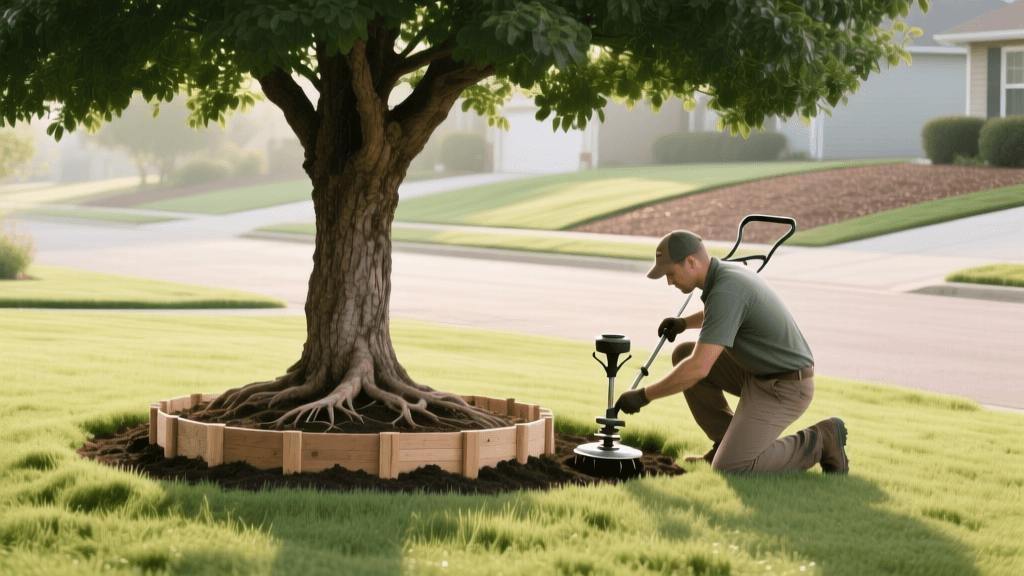
Protecting Tree Roots During Lawn Renovation Projects
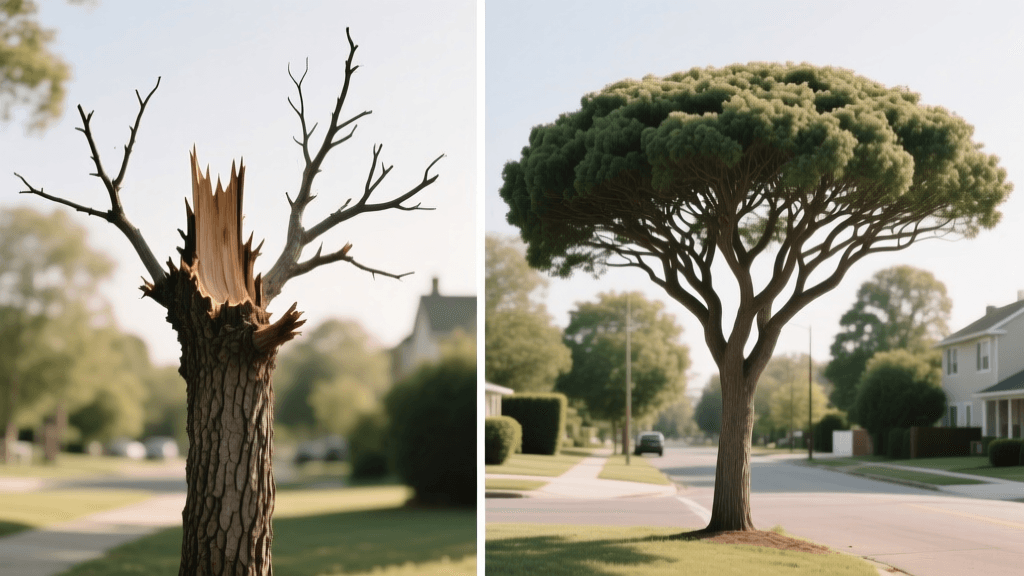
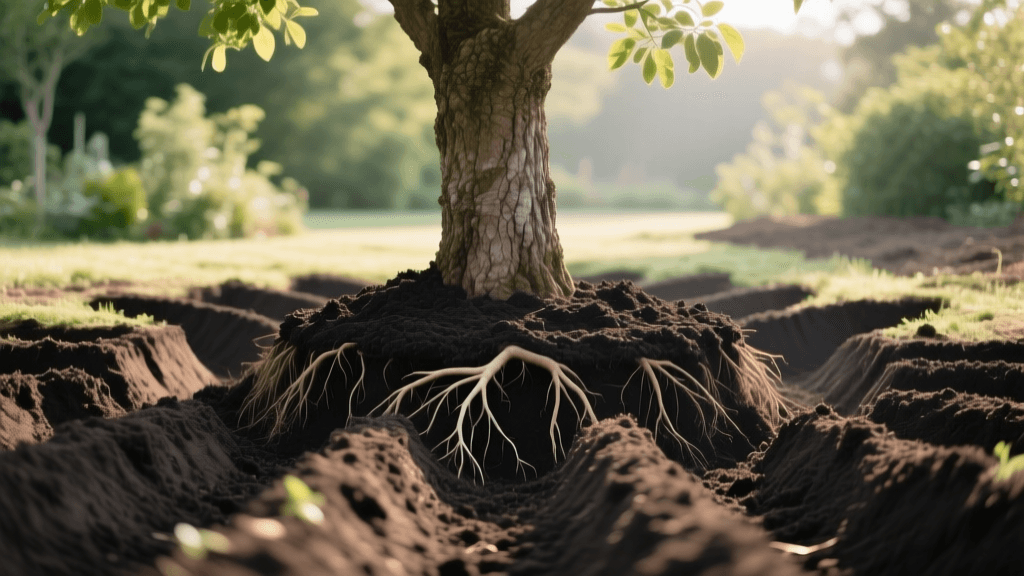
When homeowners decide to undertake a major lawn renovation, the focus is almost exclusively on the grass. We think about soil pH, core aeration, overseeding with premium turfgrass blends, and applying pre-emergent herbicides. However, if your landscape includes mature trees, a standard lawn renovation can inadvertently trigger a slow decline in tree health. The intersection of lawn care and tree care is a delicate balance. The very techniques used to revive a struggling lawn—such as deep tilling, aggressive grading, and heavy topdressing—can suffocate, sever, or crush the critical root systems of your most valuable landscape assets.
According to the International Society of Arboriculture (ISA), soil compaction and root severance during landscaping projects are among the leading causes of urban tree decline. Because up to 90% of a tree's fine, water-absorbing roots are located in the top 6 to 12 inches of the soil profile, they occupy the exact same zone that lawn renovation equipment targets. To successfully recover your lawn without sacrificing your trees, you must adopt a root-conscious renovation strategy.
Understanding the Critical Root Zone (CRZ)
Before firing up a tiller or hiring a landscaping crew to regrade your yard, you must map the Critical Root Zone (CRZ) of every tree on your property. The CRZ is the minimum area of soil that must remain undisturbed to ensure the tree's survival and structural stability.
How to Calculate Your Tree's CRZ
To find the CRZ, you first need to determine the tree's Diameter at Breast Height (DBH).
- Measure the circumference of the tree trunk at exactly 4.5 feet above the ground.
- Divide that circumference by 3.14 (Pi) to get the diameter (DBH) in inches.
- Multiply the DBH by 1.5 to determine the CRZ radius in feet.
For example, a mature oak tree with a 20-inch DBH has a CRZ radius of 30 feet. This means you should avoid heavy mechanical renovation within a 60-foot diameter circle around the trunk. As noted by The Morton Arboretum, a tree's root system often extends two to three times beyond the drip line (the outer edge of the canopy), meaning the actual absorbing root zone is vast and highly vulnerable to surface disturbances.
Evaluating Lawn Renovation Methods Near Trees
Not all lawn recovery techniques are created equal when trees are involved. Below is a comparison of common lawn renovation methods and their impact on tree root systems.
| Renovation Method | Purpose in Lawn Recovery | Impact on Tree Roots | Safe for CRZ? |
|---|---|---|---|
| Rototilling | Breaking up compacted soil, preparing seedbed | Severe: Severs structural and feeder roots | No |
| Core Aeration | Relieving soil compaction, improving water infiltration | Low to Moderate: Minor root pruning | Yes (with limits) |
| Topdressing (Compost) | Leveling, adding organic matter | Moderate: Can suffocate roots if too thick | Yes (Max 1 inch) |
| Grading / Cut & Fill | Fixing drainage, leveling yard | Severe: Buries roots or exposes them to drying | No |
| Liquid Aeration | Breaking surface tension, improving nutrient uptake | None: Chemical/biological action only | Yes |
Step-by-Step Guide to Root-Safe Lawn Renovation
If your lawn is struggling under the canopy of mature trees, you can still achieve a lush, recovered landscape by following these modified renovation protocols.
1. Switch from Mechanical to Liquid Aeration
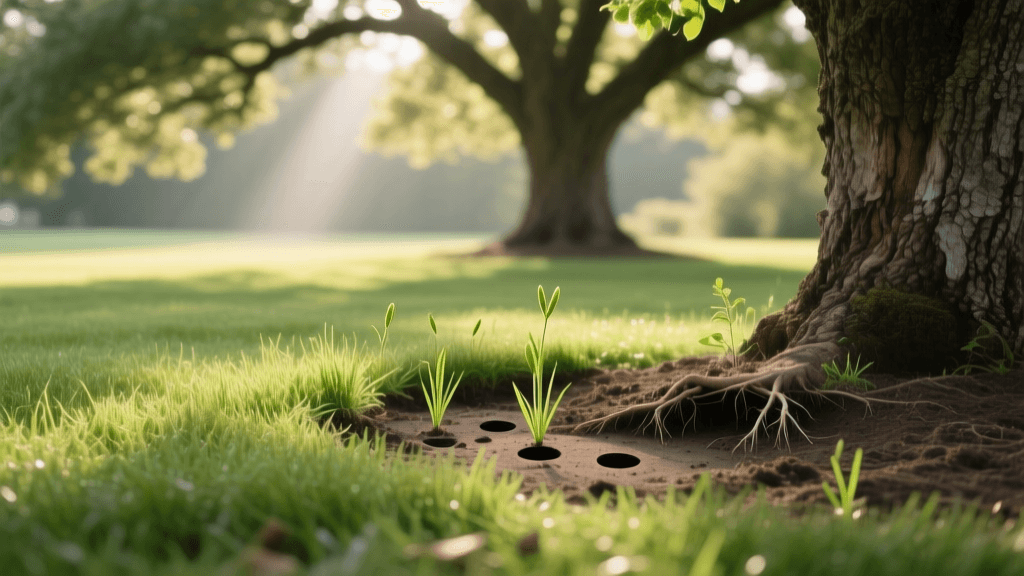
Traditional core aeration pulls 2-to-3-inch plugs of soil, which is generally safe for turf but can damage the fine, hair-like feeder roots of trees located in the top few inches of soil. Inside the CRZ, swap mechanical core aeration for liquid aeration. Products containing ammonium lauryl sulfate or humic acids help break up soil compaction at a molecular level without physically tearing the root mat.
2. Practice Conservative Topdressing
Adding a layer of compost is a staple of lawn renovation. However, piling soil over tree roots cuts off oxygen exchange. Tree roots require oxygen just as much as they require water. If you must topdress within the CRZ to level the lawn for seed-to-soil contact, limit the application to a maximum of 1/2 to 1 inch of coarse, well-draining compost. Never use heavy clay soils or fine peat that can form an impermeable barrier.
3. Mind Your Soil pH Amendments
Lawn renovation often begins with a soil test. If your soil is highly acidic, standard practice dictates applying pelletized lime to raise the pH for optimal grass growth. However, certain trees, such as oaks, pin oaks, and maples, are highly susceptible to iron chlorosis in alkaline soils. Applying heavy doses of lime near the drip line of these trees can lock up iron and manganese, causing severe yellowing and canopy dieback. Always apply lawn pH amendments based on the needs of the tree first, as trees are far more difficult and expensive to replace than turfgrass. If a conflict exists, prioritize the tree's preferred pH and select a grass blend that tolerates slightly acidic conditions.
4. Select Shade-Tolerant, Low-Competition Grasses
Grass and trees are in constant competition for water, nutrients, and sunlight. Attempting to grow a high-maintenance Kentucky Bluegrass lawn under a dense maple canopy is a losing battle that leads to overwatering (which rots tree roots) and excessive fertilizer use. Instead, choose grasses that require less water and thrive in shade.
- Fine Fescues (Creeping Red, Chewings, Hard): Excellent shade tolerance, low water requirements, and minimal fertilizer needs. This is the premier choice for lawn recovery under trees.
- Tall Fescue (Turf-type): Deep-rooted and moderately shade tolerant, though it requires slightly more water than fine fescues.
- Rough Bluegrass (Poa trivialis): Best for heavily shaded, consistently moist areas, though it can struggle in summer heat.
5. Reevaluate Irrigation Schedules
Lawns generally prefer frequent, shallow watering, while trees prefer infrequent, deep watering. Overwatering your newly renovated lawn to keep the seed moist can drown shallow tree roots and invite root rot pathogens like Phytophthora. Use targeted micro-sprinklers or drip irrigation for the tree's outer drip line, and rely on standard sprinklers for the open lawn areas. Once the new grass is established, transition the entire zone to deep, infrequent watering cycles (e.g., 1 inch of water per week applied in two sessions) to encourage deep turf roots and sustain tree health.
Post-Renovation Tree Recovery and Care
Even with the most careful lawn renovation, some root stress is inevitable. Implementing a post-renovation recovery plan will help your trees bounce back.
Mulching the Transition Zone
One of the best ways to recover both your lawn's aesthetic and your tree's health is to eliminate the grass immediately surrounding the trunk. Create a mulch ring that extends at least 3 to 4 feet from the trunk (or out to the drip line if possible). Apply 2 to 3 inches of organic hardwood mulch, keeping it strictly away from the root flare to prevent "volcano mulching." This eliminates the need to mow or string-trim near the trunk, preventing mechanical damage to the bark, and retains crucial soil moisture.
Applying Bio-Stimulants and Mycorrhizal Fungi
To help trees recover from any minor root disturbance caused by lawn care foot traffic or equipment, apply a soil drench containing mycorrhizal fungi and bio-stimulants (such as kelp extract or humic acid). These products form symbiotic relationships with damaged roots, effectively extending the root system's reach and improving nutrient uptake during the stressful transition period.
Conclusion
Lawn renovation and tree care do not have to be mutually exclusive. By respecting the Critical Root Zone, avoiding aggressive tilling and grading, and selecting the right turfgrass for the environment, you can achieve a stunning, recovered lawn while preserving the structural integrity and health of your landscape's canopy. For more comprehensive guidelines on protecting your landscape, consult resources from the University of Minnesota Extension or hire an ISA Certified Arborist to assess your trees before breaking ground on your next major outdoor project.