Home & Garden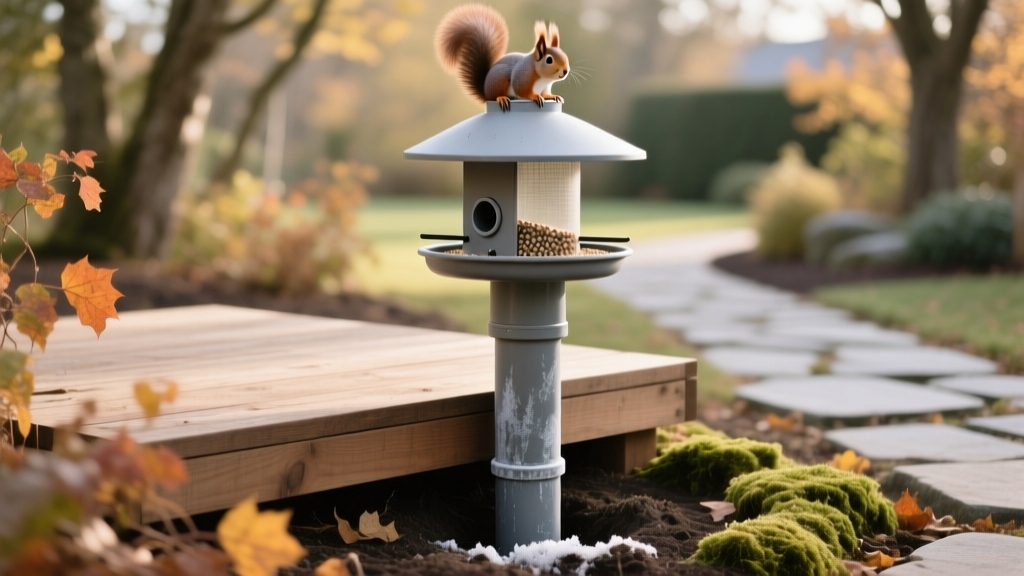
2026 DIY Bird Feeder Pole & Squirrel Baffle Using Drainage Pipe
Anna KowalskiPublished
The 2026 Approach to Squirrel-Proof Bird Feeder Stations
For backyard bird enthusiasts, few things are more frustrating than watching a squirrel effortlessly scale a bird feeder pole and devour expensive seed meant for songbirds. Commercial squirrel baffles and heavy-duty metal pole mounts can be prohibitively expensive, and traditional wooden posts or direct-to-soil metal poles often succumb to rust, rot, and frost heave. As of 2026, the most innovative and cost-effective solution bridges the gap between heavy landscaping and wildlife management: repurposing landscape drainage pipe.
By utilizing standard PVC and corrugated landscape drainage pipes, you can construct a commercial-grade bird feeder station that solves two major yard problems at once. First, a PVC drainage pipe ground sleeve acts as a localized French drain, preventing water from pooling around the metal pole base and eliminating frost heave in freezing climates. Second, a section of wide-diameter corrugated drainage pipe serves as an incredibly effective, slippery, and weather-resistant squirrel baffle. According to guidelines from Cornell Lab of Ornithology's Project Feeder Watch, physical barriers that are wide enough and mounted at the correct height remain the most reliable method for deterring determined squirrels.
Why Landscape Drainage Pipe is the Ultimate DIY Solution
Traditional bird feeder poles are usually driven directly into the soil or set in concrete. Direct soil contact traps moisture, leading to rapid oxidation and rust at the ground line. Concrete footings, while stable, can crack and trap water, and they are permanent. Landscape drainage pipe, specifically SDR-35 PVC and flexible corrugated piping, is engineered to withstand harsh UV exposure, freezing temperatures, and constant moisture.
When you use a 4-inch or 6-inch PVC landscape drainage pipe as a ground sleeve, you create a protective chimney. Water that enters the top gap simply drains down the exterior of the pipe and disperses into a gravel bed below the frost line. Furthermore, the National Audubon Society frequently notes that maintaining clean, dry feeding stations is vital for preventing avian diseases like avian pox and salmonellosis. A rust-free, easily removable pole mount ensures you can sanitize your setup without wrestling with a corroded metal spike.
Materials and Tools Required for 2026
Building this dual-purpose drainage and feeder station requires a trip to your local home improvement center. Here is the exact bill of materials based on early 2026 pricing and availability:
- Ground Sleeve: One 10-foot section of 4-inch or 6-inch SDR-35 PVC landscape drainage pipe (approx. $28).
- Squirrel Baffle: One 10-foot section of 8-inch or 10-inch corrugated flexible landscape drainage pipe (approx. $35).
- Pole Mount: A standard 1-inch diameter galvanized steel bird feeder pole (6 to 8 feet tall).
- Drainage Aggregate: Three 50-lb bags of washed 3/4-inch drainage gravel.
- Hardware: Stainless steel hose clamps (for baffle attachment), exterior-grade wood screws, and a PVC end cap (optional, for the bottom of the sleeve).
- Tools: Post hole digger, reciprocating saw with a fine-tooth blade, level, tape measure, and a shovel.
Phase 1: Installing the Frost-Proof Drainage Sleeve
The foundation of a lasting bird feeder station is proper water management. If you live in a region with freezing winters, frost heave can push a standard pole mount several inches out of the ground every spring. The University of Minnesota Extension recommends installing landscape structures below the local frost line to prevent this shifting.
Step-by-Step Sleeve Installation
1. Dig the Hole: Using a post hole digger, excavate a hole 12 inches in diameter and at least 36 inches deep (or 6 inches below your local 2026 frost line depth). 2. Create the Gravel Base: Pour 6 inches of washed drainage gravel into the bottom of the hole. This creates a dry well that allows water to percolate into the surrounding soil rather than freezing against the pipe. 3. Set the PVC Sleeve: Cut your 6-inch PVC landscape drainage pipe to a length that will leave exactly 2 inches exposed above the final ground grade. Place the pipe into the hole, resting it on the gravel base. 4. Backfill and Drain: Fill the gap between the outside of the PVC pipe and the dirt wall with the remaining washed gravel. This gravel collar acts as a French drain, intercepting surface runoff and channeling it safely away from the pole base. 5. Insert the Pole: Slide your galvanized steel pole mount into the PVC sleeve. The 6-inch pipe provides ample room for a 1-inch pole, allowing you to easily pull the pole out for seasonal storage or deep cleaning.
Phase 2: Crafting the Corrugated Drainage Pipe Squirrel Baffle
Squirrels are astonishing athletes. They can jump up to 5 feet vertically and leap 10 feet horizontally from nearby trees or fences. To defeat them, your baffle must be wide enough that they cannot reach around it, and slippery enough that they cannot gain traction. Corrugated landscape drainage pipe is perfect for this because its smooth interior (if flipped) or ribbed exterior creates an unstable surface that squirrels cannot grip.
Constructing the Baffle
Cut a 24-inch to 30-inch section of the 8-inch or 10-inch corrugated drainage pipe using a reciprocating saw. Slit the pipe vertically along one corrugated ridge. This slit allows you to wrap the pipe around the installed metal pole without having to slide it over the top of the feeder station.
Position the baffle on the pole so that the bottom edge is exactly 5 feet above the ground. Wrap it around the pole and secure the vertical slit using three stainless steel hose clamps spaced evenly apart. The wide diameter of the drainage pipe ensures that when a squirrel attempts to climb the pole and hits the baffle, they cannot reach their arms around the cylinder to pull themselves up. The flexible nature of the corrugated pipe also means it will wobble slightly if a squirrel tries to aggressively shake it, further discouraging their efforts.
Comparison: Commercial Baffles vs. Drainage Pipe DIY
How does this landscape drainage method compare to buying off-the-shelf products in 2026? The table below breaks down the differences in cost, durability, and effectiveness.
| Feature | Commercial Metal Baffle & Post | DIY Landscape Drainage Pipe Setup |
|---|---|---|
| Total Material Cost (2026) | $85 - $140 | $65 - $80 |
| Rust & Corrosion Resistance | Moderate (depends on powder coating) | Exceptional (PVC & Polyethylene) |
| Frost Heave Protection | Poor (unless set in deep concrete) | Excellent (gravel-filled drainage sleeve) |
| Squirrel Deterrence | High (if mounted correctly) | High (wide diameter prevents reach-around) |
| Customization & Aesthetics | Limited to factory colors | Can be painted with exterior vinyl-safe paint |
Smart Home Integration: Adding Wi-Fi Bird Cams
The 2026 smart home ecosystem has made backyard birding more interactive than ever. Devices like the latest generation of Wi-Fi enabled bird feeder cameras require stable mounting points and access to power or solar arrays. The PVC drainage pipe sleeve offers a massive advantage here. Because the pole is not cemented into the ground, you can easily rotate the entire station to ensure the attached solar panel faces the optimal southern exposure for winter charging.
Additionally, you can mount a smart motion-sensor spotlight directly to the exposed 2 inches of the PVC sleeve using a standard pipe strap. This provides nighttime illumination for security cameras without driving additional stakes into your carefully managed landscape drainage beds.
Expert Tips for Long-Term Success
'The key to a successful squirrel-proof station is isolation. Ensure that no tree branches, fence rails, or nearby shrubs are within a 10-foot radius of the feeder. Even the best drainage pipe baffle will fail if a squirrel can simply drop onto the feeder from above.'
To maintain your setup year-round, inspect the stainless steel hose clamps every autumn. While the PVC and corrugated pipes are virtually indestructible, metal hardware can accumulate debris. A quick spray with a garden hose and a wipe-down with a silicone lubricant will keep the baffle slippery and the hardware secure. By integrating landscape drainage principles into your wildlife setups, you protect your investment, improve your yard's water management, and create a sanctuary for your local songbirds.
