Home & Garden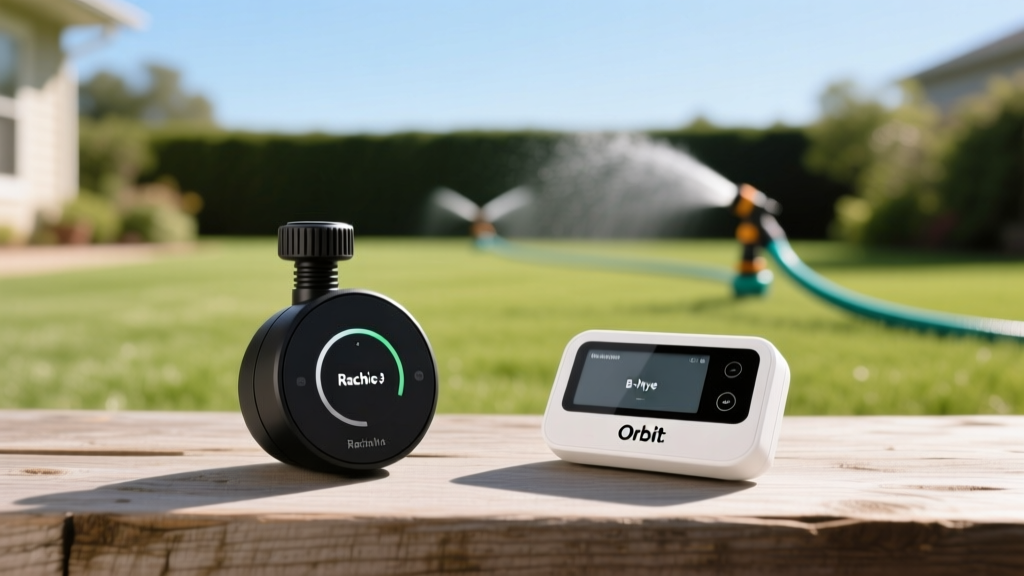
Rachio 3 vs B-hyve: Top Smart Sprinkler Controllers
Mike RodriguezPublished
The Evolution of Lawn Irrigation: Why Go Smart?
Upgrading your home's outdoor infrastructure is one of the most effective ways to bridge the gap between modern smart home convenience and sustainable landscaping. Traditional sprinkler timers are notoriously inefficient, often watering lawns during rainstorms or applying the same rigid schedule regardless of seasonal temperature shifts. Enter the smart sprinkler controller: a Wi-Fi-enabled device that replaces your outdated timer and uses real-time weather data to optimize your irrigation schedule. But with dozens of options on the market, which one deserves a spot on your garage wall? In this comprehensive comparison, we are pitting the industry darling, the Rachio 3 Smart Sprinkler Controller, against the budget-friendly powerhouse, the Orbit B-hyve Smart Indoor/Outdoor Sprinkler Controller. Whether you are a tech enthusiast looking for deep smart home integration or a practical homeowner seeking to lower your summer water bill, this head-to-head breakdown will help you decide which system is right for your yard.
Rachio 3 Smart Sprinkler Controller: The Premium Standard
The Rachio 3 has long been considered the gold standard in the smart irrigation space. Available in 8-zone and 16-zone configurations, it is designed for homeowners who want a 'set it and forget it' experience backed by incredibly sophisticated software. The standout feature of the Rachio 3 is its Weather Intelligence Plus technology. Unlike basic controllers that pull data from a single distant airport weather station, Rachio uses hyperlocal weather data from multiple sources, including personal weather stations in your immediate neighborhood, to make precise watering decisions.
Key Features and Pros
- Weather Intelligence Plus: Automatically skips watering during rain, wind, freezing temperatures, and even saturation.
- Apple HomeKit Compatibility: One of the very few smart controllers that natively integrates with Apple HomeKit, alongside Amazon Alexa and Google Assistant.
- Sleek, Modern Design: Features a translucent, minimalist aesthetic with subtle LED zone indicators, meant to be displayed proudly in a garage or utility room.
- Advanced Soil and Zone Customization: The app allows you to configure soil type (clay, loam, sand), root depth, slope, and specific sprinkler head types (rotor, spray, drip) for every single zone.
Drawbacks to Consider
The most notable drawback of the Rachio 3 is the lack of a physical screen on the device itself. If your home Wi-Fi network goes down, or if a family member is uncomfortable using a smartphone app, adjusting the watering schedule manually at the unit is impossible. Furthermore, the premium software comes with a premium price tag, typically retailing between $230 and $280 depending on the zone count and seasonal sales.
Orbit B-hyve Smart Controller: The Budget-Friendly Challenger
Orbit's B-hyve line has disrupted the smart irrigation market by offering weather-based automation at a fraction of the cost of its competitors. Available in 6, 12, and 24-zone models, the B-hyve also offers both indoor and outdoor-rated enclosures, giving it a distinct advantage for homes where the controller is mounted on an exterior wall or in an unprotected patio box. The B-hyve utilizes Orbit's proprietary WeatherSense technology, which pulls data from local NOAA weather stations to adjust run times and skip cycles during rain events.
Key Features and Pros
- Physical LCD Screen: Unlike the Rachio, the B-hyve features a built-in digital screen and physical buttons, allowing for manual overrides and scheduling even without an internet connection.
- Cost-Effective: With prices ranging from $100 to $150, it is significantly more affordable, making it an excellent entry point into smart landscaping.
- Indoor and Outdoor Models: The outdoor model comes with a rugged, lockable, weather-resistant casing, eliminating the need to buy a separate protective enclosure.
- WaterSense Certified: Like the Rachio, the B-hyve is EPA WaterSense certified, ensuring it meets strict water-efficiency criteria.
Drawbacks to Consider
While the hardware is excellent, the B-hyve software experience can feel slightly dated. The user interface is less intuitive than Rachio's, and setting up complex soil and slope parameters requires more clicking through nested menus. Additionally, the B-hyve lacks native Apple HomeKit support. While it works well with Alexa and Google Home, Apple users will have to rely on third-party workarounds or the native app to control their irrigation.
Head-to-Head Comparison Chart
| Feature | Rachio 3 | Orbit B-hyve |
|---|---|---|
| Retail Price (Approx.) | $230 - $280 | $100 - $150 |
| Zone Options | 8, 16 | 6, 12, 24 |
| Weather Technology | Weather Intelligence Plus (Hyperlocal) | WeatherSense (NOAA-based) |
| Physical Screen on Unit | No (App only) | Yes (LCD with buttons) |
| Smart Home Integration | Alexa, Google, Apple HomeKit, IFTTT | Alexa, Google, IFTTT |
| Enclosure Options | Indoor only (Outdoor enclosure sold separately) | Indoor and Outdoor models available |
| EPA WaterSense Certified | Yes | Yes |
| Warranty | 5 Years | 6 Years |
Weather Intelligence and Water Conservation
The primary reason to upgrade to a smart controller is water conservation, which directly translates to lower utility bills and a healthier landscape. Overwatering is one of the leading causes of lawn disease, shallow root growth, and nutrient runoff. According to the EPA WaterSense program, smart irrigation controllers that carry the WaterSense label use weather data to automatically adjust watering schedules, saving the average home nearly 7,600 gallons of water annually. Both the Rachio 3 and the Orbit B-hyve carry this prestigious certification, meaning they have been independently tested to prove their water-saving efficacy.
However, the depth of their weather intelligence differs. Rachio's Weather Intelligence Plus monitors for wind speed, preventing sprinklers from running on breezy days when water is simply blown onto the driveway or sidewalk. It also monitors for freeze conditions and soil saturation. The B-hyve relies heavily on historical evapotranspiration (ET) data combined with basic rain and temperature forecasts. While both will successfully skip a watering cycle during a rainstorm, Rachio's hyperlocal approach provides a more nuanced, tailored schedule for microclimates.
Understanding the broader impact of outdoor water use is crucial for modern homeowners. The EPA water usage statistics indicate that the average American family uses more than 300 gallons of water per day at home, with roughly 30 percent of that dedicated to outdoor uses. In arid climates, that outdoor percentage can skyrocket to 60 percent or more. By deploying a smart controller, you are actively participating in municipal water conservation efforts while keeping your turfgrass deeply rooted and resilient against drought stress.
Smart Home Integration and App Experience
If you are heavily invested in a smart home ecosystem, your choice of controller may be dictated by compatibility. The Rachio 3 is a dream for Apple users, offering seamless native integration with Apple HomeKit. You can easily create automations, such as telling Siri to 'water the front yard' or setting up geofencing routines that pause irrigation if the garage door is left open. It also integrates beautifully with Amazon Alexa and Google Assistant, allowing for voice commands and routine building.
The Orbit B-hyve supports Alexa and Google Assistant, allowing you to say, 'Hey Google, ask B-hyve to water zone two for ten minutes.' However, the lack of native HomeKit support is a sticking point for Apple loyalists. Furthermore, the Rachio app is widely praised for its clean, modern interface and easy-to-read water usage reports. The app provides detailed graphs showing exactly how many gallons you saved compared to a traditional timer. The B-hyve app, while fully functional and capable of managing complex schedules, feels slightly more utilitarian and cluttered, making the initial setup process a bit more tedious for beginners.
Installation and Zone Configuration
Both the Rachio 3 and the Orbit B-hyve are designed for DIY installation, typically taking between 15 and 30 minutes to swap out an existing controller. Both apps feature excellent step-by-step wiring guides. The golden rule of sprinkler controller replacement applies to both: take a clear, well-lit photograph of your old controller's wiring before disconnecting a single wire. Both units use standard color-coded terminals for zones, common wires, and rain sensors.
Where the real 'installation' happens is inside the app. To get the most out of either device, you must properly configure your zones. This involves walking your property and inputting specific data for each zone into the app. You will need to identify the type of soil in each zone (clay retains water longer and requires shorter, more frequent cycles to prevent runoff, while sandy soil drains quickly and needs longer, less frequent watering). You must also note the sun exposure (full sun vs. deep shade) and the type of sprinkler heads installed. Taking an hour to meticulously input this data into either the Rachio or B-hyve app is the secret to unlocking the true water-saving potential of these devices.
Final Verdict: Which Controller Wins?
The decision between the Rachio 3 and the Orbit B-hyve ultimately comes down to your budget, your smart home ecosystem, and your desire for granular control. The Rachio 3 is the undisputed champion for tech enthusiasts, Apple HomeKit users, and those who want the most advanced, hyperlocal weather intelligence available. Its beautiful app interface and deep soil customization options make it worth the premium price tag for homeowners who view their landscaping as a long-term investment.
On the other hand, the Orbit B-hyve is the pragmatic winner for budget-conscious homeowners and those who need an outdoor-rated unit without buying extra accessories. The inclusion of a physical LCD screen provides invaluable peace of mind for households with multiple users who may prefer physical buttons over smartphone apps. Both controllers are EPA WaterSense certified, meaning regardless of which one you choose, you are upgrading to a system that will save water, protect your lawn from overwatering, and modernize your home's exterior infrastructure.
