Tree Care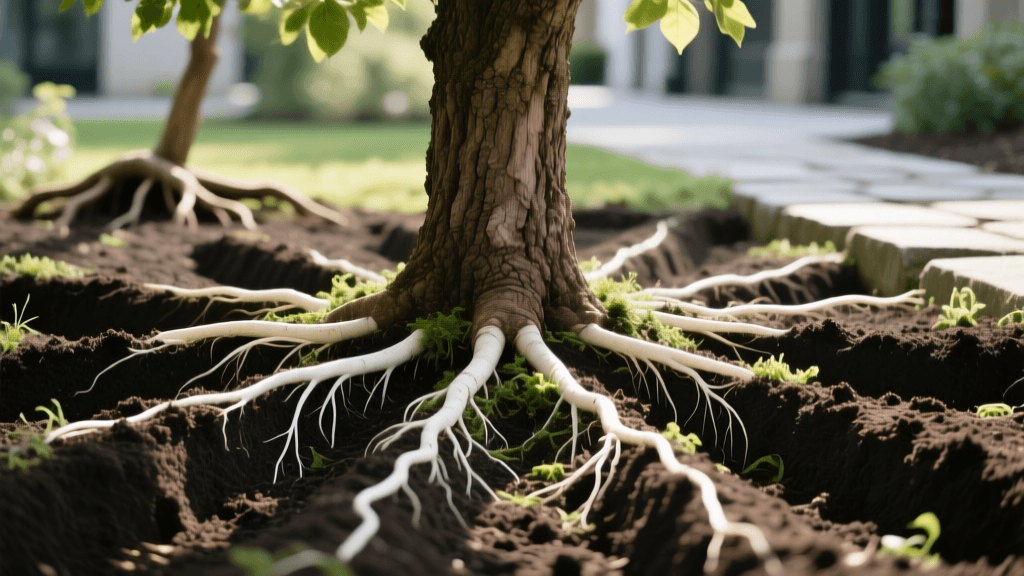
Revitalize Declining Trees Using Radial Trenching and Compost
The Hidden Crisis: Soil Compaction and Tree Decline
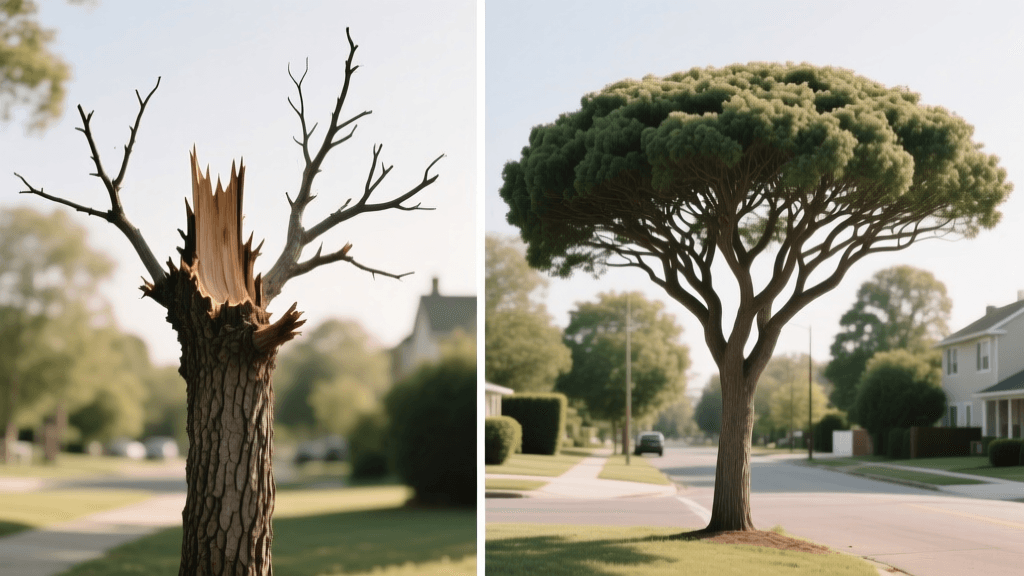
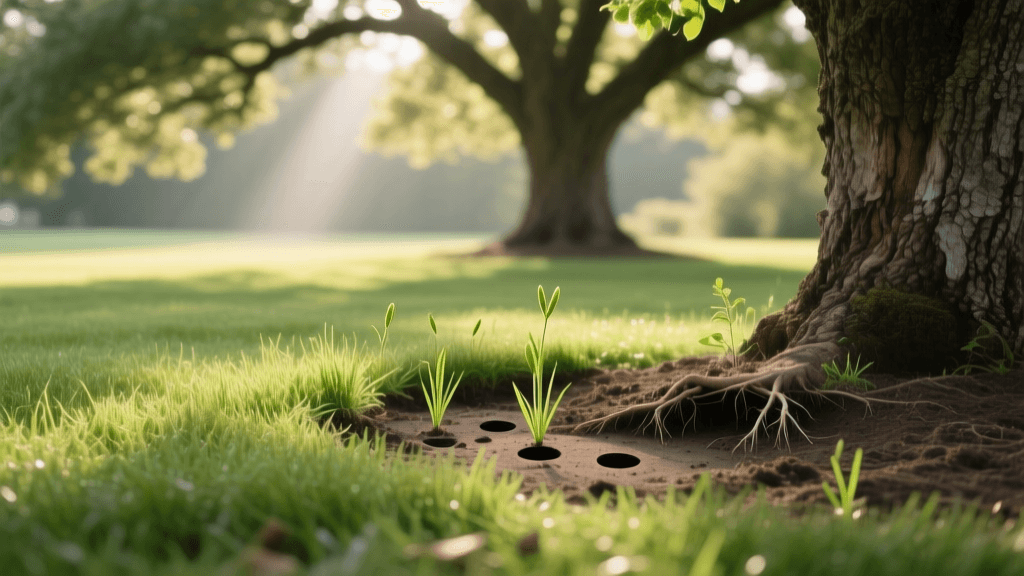
Trees in residential and urban landscapes often suffer not from exotic pests or untreatable diseases, but from a silent, underground crisis: poor soil health. When homes are built, the native topsoil is frequently stripped away, and the remaining subsoil is heavily compacted by construction equipment, foot traffic, and lawn mowers. This compaction destroys the vital macropores in the soil, severely limiting the oxygen and water available to a tree's root system.
According to the USDA Natural Resources Conservation Service, soil is a living ecosystem that requires organic matter, biological diversity, and proper structure to function. When soil becomes compacted and devoid of organic material, the fine feeder roots responsible for nutrient uptake begin to suffocate and die off. The visible symptoms above ground—such as premature fall coloration, dieback in the upper canopy, reduced leaf size, and increased susceptibility to borers—are often delayed by several years, making it difficult for homeowners to connect the tree's decline to the soil conditions.
To reverse this decline, arborists rely on a highly effective, science-backed remediation technique known as radial trenching, combined with the strategic application of high-quality compost. This method acts as an artificial lung and a slow-release nutrient reservoir for suffocating root systems.
What is Radial Trenching?
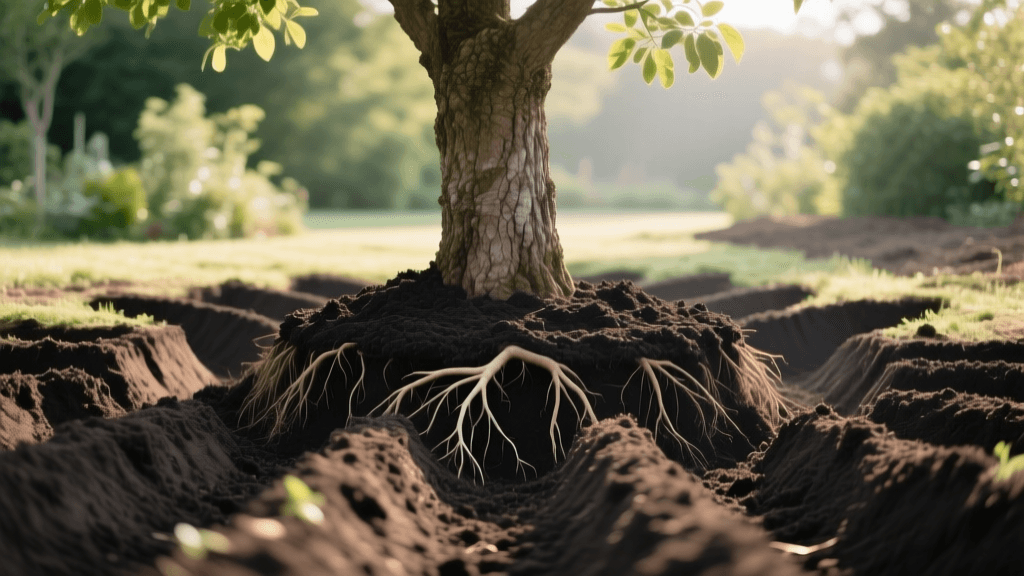
Radial trenching involves digging a series of narrow, spoke-like trenches that radiate outward from the base of the tree toward the dripline (the outer edge of the tree's canopy) and slightly beyond. Unlike standard lawn aeration, which only penetrates the top two to three inches of soil, radial trenches are dug deeper, typically between 8 and 12 inches, reaching the primary zone where fine absorbing roots are concentrated.
Once dug, these trenches are backfilled with a specially formulated mix of coarse compost, organic amendments, and sometimes expanded shale or coarse sand. This creates permanent channels of low resistance. Tree roots are naturally drawn to these nutrient-rich, highly aerated zones, rapidly colonizing the trenches and establishing a new, healthy network of feeder roots.
Selecting the Right Compost for Tree Health
Not all compost is created equal, and using the wrong type can actually harm a stressed tree. The Environmental Protection Agency notes that compost is a soil amendment produced through the controlled aerobic decomposition of organic matter. However, the feedstock used to create the compost dictates its biological and chemical properties.
Trees, unlike turfgrass, evolved in forest ecosystems dominated by fungal networks. Therefore, they thrive best with fungal-dominated composts made from woody materials and leaves, rather than bacterial-dominated composts made from high-nitrogen manures or food waste. Applying high-nitrogen manure composts to a stressed tree can force rapid, weak vegetative growth that the compromised root system cannot support, while also increasing the soil's salt content, which burns delicate root hairs.
Compost Comparison Chart for Tree Care
| Compost Type | Best Use Case | Biological Dominance | Application Notes |
|---|---|---|---|
| Leaf Mold | Mature shade trees | High Fungal | Excellent for mimicking natural forest floors; low nutrient burn risk. |
| Arborist Wood Chip Compost | General tree health | Moderate Fungal | Must be aged for 1-2 years; fresh chips will tie up soil nitrogen. |
| Municipal Yard Waste Compost | Urban street trees | Balanced | Widely available and cost-effective; ensure it is fully cured and screened. |
| Manure-Based Compost | Lawn areas only | High Bacterial | Avoid in the tree's Critical Root Zone; high salts and nitrogen can damage roots. |
Step-by-Step Guide to Radial Trenching
Executing a radial trenching project requires careful planning to avoid severing the tree's major structural roots. Follow these actionable steps to ensure the health and safety of your tree.
Step 1: Locate the Critical Root Zone (CRZ)
Measure the tree's trunk diameter at breast height (DBH), which is roughly 4.5 feet above the ground. Multiply this diameter (in inches) by 1.5 to 3 to determine the radius of the Critical Root Zone in feet. For example, a tree with a 10-inch DBH has a CRZ radius of 15 to 30 feet. Your trenches should extend through this zone.
Step 2: Mark the Trenches
Plan for 4 to 8 radial trenches, spaced evenly like the spokes of a wheel. Crucial Rule: Never start a trench directly against the trunk. Begin your trenches at least 3 to 5 feet away from the base of the tree to avoid cutting major structural anchor roots, which can compromise the tree's stability and lead to decay.
Step 3: Digging the Trenches
Using a narrow trenching shovel, dig trenches that are 4 to 6 inches wide and 8 to 12 inches deep. If you encounter a root thicker than 1.5 inches in diameter, do not cut it. Instead, tunnel underneath it or shift the trench slightly to bypass it. For large or highly valuable trees, hire a certified arborist to use an Air Spade (a pneumatic excavation tool) which uses compressed air to fracture compacted soil without damaging roots.
Step 4: Mixing and Filling
Create a backfill mix consisting of 60% high-quality fungal compost, 20% native soil, and 20% coarse sand or expanded shale to ensure long-term aeration. Fill the trenches with this mixture, mounding it slightly above grade to account for natural settling over the next few months.
Step 5: Top Dressing and Mulching
After filling the trenches, apply a thin top-dressing of compost (about 1/4 inch) over the entire Critical Root Zone. Follow this with a 2 to 3-inch layer of coarse wood chip mulch. Keep the mulch strictly away from the root flare (the base of the trunk) to prevent trunk rot and girdling roots.
Enhancing the Mix: Mycorrhizal Fungi and Biochar
To supercharge your radial trenches, consider incorporating biological inoculants and soil conditioners. Mycorrhizal fungi form symbiotic relationships with tree roots, extending their reach by hundreds of times and helping them extract water and phosphorus from the surrounding soil. You can purchase endo- and ectomycorrhizal inoculant powders from garden centers and mix them directly into the compost backfill.
Additionally, adding horticultural biochar to the mix provides a permanent, porous housing structure for beneficial soil microbes. Biochar acts like a sponge, holding onto water and liquid nutrients that would otherwise leach away, making them available to the tree during dry spells.
Timing, Costs, and Aftercare
Timing: The best time to perform radial trenching is during the tree's dormant season—either late fall after leaf drop or early spring before bud break. This minimizes stress and allows the tree to dedicate energy to root growth before the demands of the summer canopy emerge.
Costs: A DIY radial trenching project for a medium-sized tree will primarily cost you time and the price of compost, typically ranging from $50 to $150 depending on local bulk compost prices. Hiring a professional arborist to perform the same task using an Air Spade and premium amendments will generally cost between $600 and $1,500, depending on the tree's size and site accessibility.
Aftercare: Following the trenching, water the area deeply to help settle the backfill material. Avoid driving vehicles or parking over the Critical Root Zone, and minimize heavy foot traffic. According to the Arbor Day Foundation, consistent, long-term soil care is the single most important factor in ensuring the longevity and structural integrity of landscape trees.
Conclusion
Tree care is fundamentally soil care. By recognizing the signs of soil compaction and taking proactive steps to alleviate it through radial trenching and compost application, you can add decades to the life of your landscape trees. This targeted approach restores the biological and physical health of the soil, providing your trees with the oxygen, moisture, and fungal networks they need to thrive in challenging urban and suburban environments.