Gardening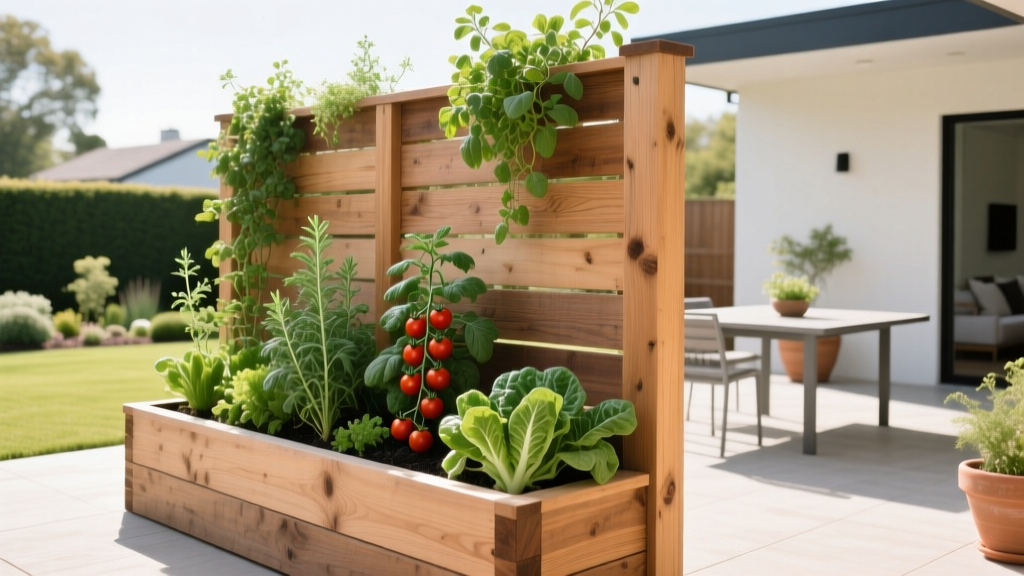
Build Raised Bed Privacy Screens for Patio Entertaining
Sarah ChenPublished
Transform Your Patio with Living Privacy Screens
Outdoor entertaining is one of the greatest joys of homeownership, but a lack of privacy can quickly turn a relaxing dinner party into an uncomfortable exhibition. While traditional wooden fences or masonry walls offer seclusion, they are expensive, block valuable sunlight, and do little to enhance your landscape's aesthetic. Enter the raised bed privacy screen: a stunning, dual-purpose hardscaping feature that defines your outdoor dining area, boosts curb appeal, and provides a vertical canvas for edible and ornamental gardening.
By integrating raised planter boxes with tall trellis panels, you create a living wall that softens the hardscape of your patio. This approach not only shields your guests from the eyes of neighbors but also immerses them in a fragrant, lush environment. Whether you are growing climbing vegetables for a summer salad or fragrant jasmine for evening ambiance, a raised bed privacy screen is the ultimate upgrade for the modern outdoor host.
Why Choose Raised Bed Privacy Screens?
Standard privacy fences create a harsh boundary line that can make a patio feel boxed in and claustrophobic. A living screen, however, adds depth, texture, and seasonal color to your outdoor entertaining space. From a curb appeal perspective, these structures signal a well-designed, intentional landscape. They break up long, monotonous fence lines and draw the eye upward, making your outdoor living area appear larger and more luxurious.
Furthermore, building the planter box at the base of the screen elevates the soil level. This brings your climbing plants closer to eye level for seated guests, allowing them to appreciate the blooms and easily harvest edible crops like cherry tomatoes or snap peas right from the dinner table. It also improves drainage and allows you to control the soil quality perfectly, which is critical for heavy-feeding climbing plants.
Materials and Cost Breakdown
Choosing the right materials is essential for ensuring your privacy screen withstands the elements while complementing your home's architecture. Below is a comparison of the most popular materials used for the planter box and trellis framework.
| Material | Est. Cost per Linear Ft | Lifespan | Aesthetic & Notes |
|---|---|---|---|
| Western Red Cedar | $35 - $50 | 15-20 years | Natural, ages to silver, highly rot-resistant |
| Composite Wood | $60 - $85 | 25+ years | Uniform, modern, zero maintenance but can warp in high heat |
| Corrugated Metal & Wood | $25 - $40 | 15-25 years | Industrial or farmhouse, excellent drainage, heats up in summer |
| Pressure-Treated Pine | $20 - $30 | 10-15 years | Budget-friendly, requires annual sealing, best for structural posts |
For the trellis portion of the screen, heavy-duty cattle panels or custom-built cedar lattice are the best choices. Cattle panels cost around $30 each, are incredibly rigid, and will not sag under the weight of mature, fruit-bearing vines.
Step-by-Step Construction Guide
Building a sturdy privacy screen requires anchoring the structure properly to withstand wind loads, especially once the trellis is covered in dense foliage. For this guide, we will construct a modular screen measuring 6 feet tall, 2 feet wide, and 4 feet long.
1. Setting the Posts
Dig two post holes at least 24 inches deep and 10 inches wide, spaced 4 feet apart. Add 4 inches of drainage gravel to the bottom of each hole. Place 4x4 pressure-treated wooden posts into the holes, ensuring they are perfectly plumb using a post level. Fill the holes with fast-setting concrete mix, sloping the top of the concrete away from the post to shed water. Allow 24 hours for the concrete to cure completely.
2. Building the Planter Box
Construct a 2-foot by 4-foot box using 2x10 cedar boards. Attach the boards to the 4x4 posts using exterior-grade, corrosion-resistant structural screws. Leave the bottom of the planter box open to the native soil to encourage deep root growth and earthworm activity, but line the bottom with hardware cloth to prevent burrowing pests from entering.
3. Attaching the Trellis
Secure your trellis material (such as a cattle panel or cedar lattice) to the back of the 4x4 posts, extending from the top of the planter box up to the 6-foot mark. Use heavy-duty galvanized U-nails or structural brackets to ensure the trellis will not pull away from the posts during heavy winds.
Soil Preparation for Tall Planters
One of the most common mistakes in raised bed gardening is filling the box with native topsoil or cheap bagged garden soil. These soils are too dense and will compact over time, suffocating plant roots and causing water to pool. According to Penn State Extension, proper soil structure and drainage are the most critical factors for raised bed success.
To create the ideal environment for vigorous climbing plants, use a custom soil blend. A highly effective ratio is 50% high-quality topsoil, 30% organic compost, and 20% coco coir or coarse sand for aeration. Because climbing edibles and flowering vines are heavy feeders, mix in a slow-release organic granular fertilizer and a few cups of worm castings per square foot before planting. This ensures a steady supply of nutrients throughout the peak outdoor entertaining season.
Best Plants for Patio Privacy Screens
The plants you choose will dictate the mood and utility of your outdoor dining space. You want a mix of fast-growing foliage for immediate privacy and fragrant blooms to enhance the sensory experience of your guests.
Top Edible and Ornamental Climbers
- Kentucky Wonder Pole Beans: These grow rapidly, providing dense, heart-shaped foliage that creates a thick green wall within weeks. They produce abundant, delicious beans that guests can pick and eat raw or take home as a dinner party favor.
- Zephirine Drouhin Climbing Rose: A completely thornless climbing rose that produces masses of fragrant, deep pink blooms. It is perfect for high-traffic entertaining areas where guests might brush against the foliage.
- Malabar Spinach: A stunning, heat-tolerant edible vine with glossy green leaves and vibrant magenta stems. It thrives in the heat of summer when other greens bolt, providing a beautiful visual contrast and a nutritious salad green.
- Star Jasmine (Trachelospermum jasminoides): For evening entertaining, nothing beats the intoxicating, sweet fragrance of Star Jasmine. It is an evergreen vine in warmer zones, providing year-round privacy and a luxurious, resort-like atmosphere.
Companion Planting for Pest-Free Entertaining
Nothing ruins an outdoor dinner party faster than a swarm of mosquitoes or aphids dropping from the leaves onto your food. By utilizing strategic companion planting in the base of your raised bed privacy screen, you can naturally deter pests without resorting to harsh chemical sprays.
The Old Farmer's Almanac notes that strongly scented herbs and flowers can mask the scent of your edible crops and confuse pests. Plant a dense border of French Marigolds around the base of your privacy screen; their roots exude a compound that deters nematodes, while their strong scent repels whiteflies. Intercrop your climbing vegetables with bush basil and lavender. Not only do these herbs repel mosquitoes and flies, keeping your patio dining area comfortable, but they also provide fresh garnishes for your outdoor meals. For comprehensive organic pest management strategies, the Environmental Protection Agency recommends prioritizing these natural, botanical deterrents to maintain a safe environment for both pollinators and your dinner guests.
A well-designed privacy screen doesn't just hide your patio from neighbors; it creates an immersive, garden-room experience that elevates your landscape's overall curb appeal and makes every meal feel like a getaway.
Lighting and Final Curb Appeal Touches
To maximize the visual impact of your new living screen, integrate low-voltage or solar lighting. Install solar-powered post cap lights on top of the 4x4 cedar posts to provide a soft, welcoming glow that outlines your patio space. Weave warm-white, outdoor-rated LED fairy lights through the trellis and the climbing vines. This creates a magical, dappled lighting effect that enhances the ambiance of your evening gatherings.
Finally, mulch the top of the soil in the raised bed with a 2-inch layer of dark hardwood bark or decorative river rock. This retains soil moisture, suppresses weeds, and provides a clean, finished look that ties the hardscaping element beautifully into the rest of your curated garden landscape.
