Tree Care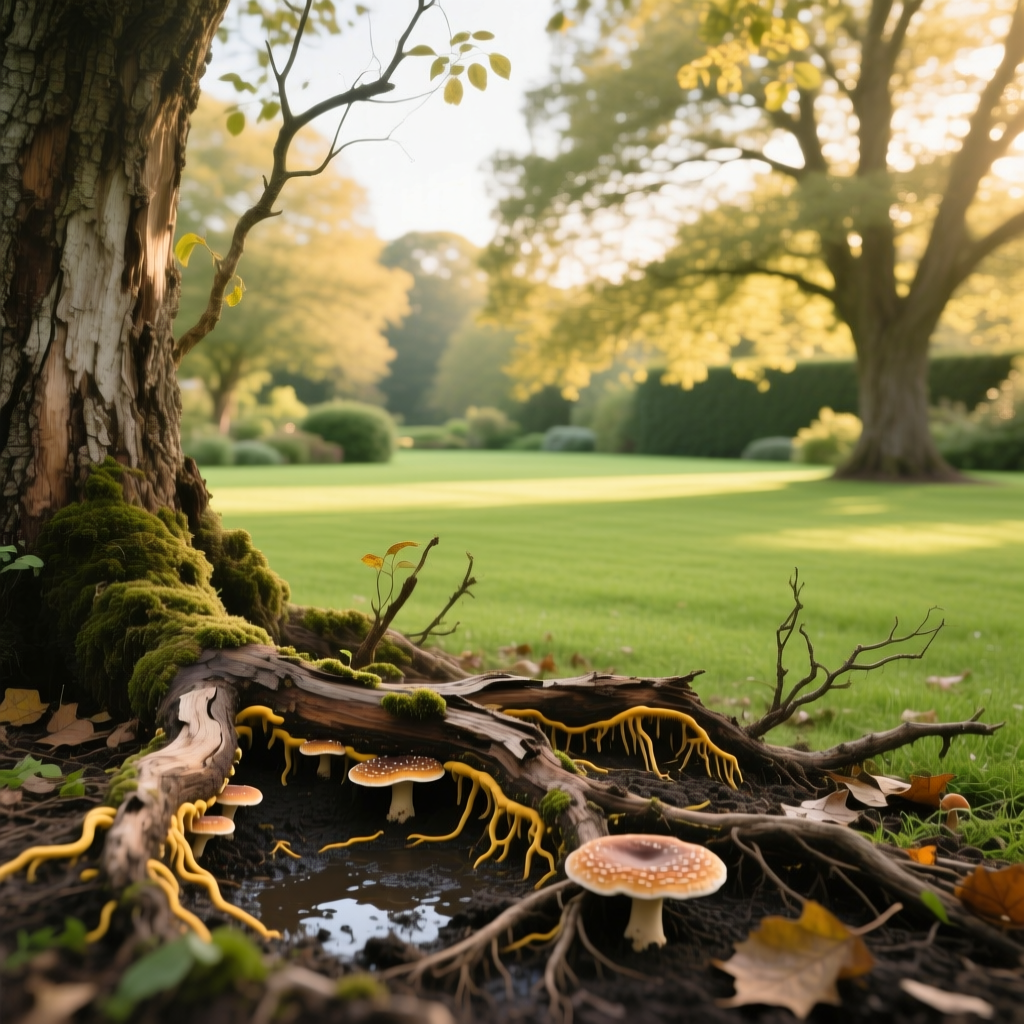
How to Recognize & Manage Armillaria Root Rot in Mature Trees
Robert HayesPublished
Mature trees are the anchors of any landscape, providing immense shade, structural beauty, and ecological value. However, beneath the soil surface, a silent and devastating threat may be lurking. Armillaria root rot, commonly referred to as oak root fungus or honey fungus, is one of the most destructive and widespread fungal diseases affecting woody plants worldwide. Unlike opportunistic pathogens that only strike severely dying trees, certain species of Armillaria can aggressively attack and kill otherwise healthy, mature trees.
For homeowners and property managers, recognizing the early signs of this disease is critical. Once the fungus establishes itself within the root system, it compromises the structural integrity of the tree, creating a severe hazard long before the canopy shows obvious signs of decline. In this comprehensive guide, we will explore the biology of Armillaria, how to accurately diagnose an infection, and the most effective cultural and mechanical management strategies to protect your landscape.
Understanding Armillaria Root Rot: The Silent Killer of Mature Trees
Armillaria root rot is caused by several species of fungi within the Armillaria genus, most notably Armillaria mellea and Armillaria ostoyae. These fungi are unique in their ability to survive for decades in dead wood and soil, waiting for an opportunity to infect a susceptible host. To effectively manage this disease, it is essential to understand how it operates, spreads, and why mature trees are particularly vulnerable.
The Biology and Spread of the Fungus
The Armillaria fungus thrives in the soil and spreads primarily through root-to-root contact. When an infected root touches a healthy root, the fungus penetrates the bark and begins to colonize the cambium layer—the vital tissue responsible for transporting water and nutrients. However, the fungus does not rely solely on direct contact. It produces specialized structures called rhizomorphs, often described as "black shoestrings." These rhizomorphs can grow through the soil for several feet, actively seeking out new, healthy roots to infect. This makes containment incredibly difficult, especially in densely planted landscapes or forested areas.
For a deeper understanding of how various pathogens operate, consulting a common tree diseases guide can help you differentiate between fungal, bacterial, and environmental stressors.
Why Mature Trees Are Targeted
While Armillaria is often considered a secondary pathogen—meaning it typically attacks trees already weakened by drought, soil compaction, or physical damage—some species are aggressive primary pathogens. Mature trees are frequently targeted because their extensive root systems are more likely to encounter the fungus in the soil. Furthermore, mature trees often face chronic environmental stresses such as restricted root zones from urban infrastructure, soil grade changes, and competition for water. When a mature tree's natural defense mechanisms are compromised by these stresses, the Armillaria fungus can rapidly girdle the root collar and major lateral roots, effectively strangling the tree from the bottom up.
How to Recognize the Early & Late Symptoms of Armillaria
Identifying Armillaria root rot requires a keen eye and an understanding of both above-ground and below-ground indicators. Because the fungus destroys the root system first, the above-ground symptoms often mimic general drought stress or nutrient deficiencies, leading to misdiagnosis. Here is how to accurately spot the infection.
Above-Ground Symptoms: Canopy and Trunk Indicators
The earliest visible signs in the canopy are often subtle. You may notice a gradual thinning of the foliage, smaller-than-normal leaves, or premature autumn coloration. As the root decay progresses, branch dieback will occur, typically starting at the top of the canopy and working downward. In conifers, a heavy flow of resin or gum at the base of the trunk is a common reaction to the fungal invasion. In deciduous trees, you might observe a sudden, catastrophic collapse of the entire canopy during a hot summer week, as the compromised root system finally fails to supply adequate water to the leaves.
Below-Ground Symptoms: The Definitive Diagnosis
To confirm an Armillaria infection, you must inspect the root collar and the base of the trunk. Carefully excavate the soil around the base of the tree to expose the upper roots and the lower trunk. Look for the following definitive signs:
- Mycelial Fans: Peel back the dead or decaying bark at the root collar. Beneath the bark, you will find thick, white, fan-shaped mats of fungal tissue (mycelium). These fans have a distinct, strong mushroom odor and are the most reliable indicator of the disease.
- Rhizomorphs: Look for dark brown to black, shoe-string-like structures clinging to the outside of the roots or extending into the surrounding soil.
- Decayed Wood: The infected wood will appear soft, spongy, and pale yellow to white, often with distinct black zone lines separating the decayed wood from healthy tissue.
Fruiting Bodies: Honey Mushrooms
In the autumn, particularly after heavy rains, the fungus may produce its fruiting bodies—clusters of honey-colored mushrooms at the base of the infected tree. While these mushrooms are a clear sign of the disease, their absence does not mean the tree is healthy. The fungus can rot the root system extensively for years without ever producing mushrooms above ground.
Cultural Practices & Preventative Tree Care to Limit Spread
There is currently no chemical cure for Armillaria root rot. Fungicides are largely ineffective because the fungus resides deep within the root tissue and the soil, shielded from chemical applications. Therefore, management must focus on prevention, promoting tree vigor, and limiting the spread of the pathogen to neighboring plants.
Promoting Tree Vigor and Soil Health
A healthy, vigorously growing tree can often compartmentalize the decay and slow the progression of the fungus. Proper watering is paramount. Mature trees should receive deep, infrequent watering that reaches the outer edges of the drip line, encouraging deep root growth and reducing drought stress. Applying a wide ring of organic mulch around the base of the tree helps retain soil moisture, regulate soil temperature, and prevent mechanical damage from lawn mowers and string trimmers.
Soil compaction is a major contributor to tree stress. Compacted soil lacks the oxygen necessary for healthy root function, making the tree highly susceptible to infection. Implementing strategies for core aeration benefits in the surrounding lawn can improve soil structure, but care must be taken not to sever major tree roots in the process. Radial trenching or vertical mulching around the tree's drip line can also help alleviate compaction and introduce oxygen to the root zone.
Improving Drainage and Sanitation
Armillaria thrives in poorly drained, waterlogged soils. If your landscape suffers from standing water or heavy clay soils, taking steps toward improving soil drainage is essential. Installing French drains or grading the soil to direct water away from the root collar can significantly reduce the environmental conditions that favor fungal growth.
Sanitation is equally critical. The fungus can be spread on the blades of shovels, pruners, and tillers. Always clean and disinfect your tools with a 10% bleach solution or rubbing alcohol after working near an infected tree or in contaminated soil. Never move soil from an infected area to a healthy part of your landscape, as the rhizomorphs can easily hitch a ride and establish a new infection zone.
Pruning, Removal, & Stump Management for Infected Trees
Once a mature tree is heavily infected and the root system is significantly compromised, the focus shifts from saving the tree to managing the hazard and protecting the surrounding landscape. Making the right decision regarding pruning, removal, and stump management is crucial for long-term landscape health.
The Limitations of Pruning
While learning the best techniques for pruning mature trees safely is vital for general tree health, pruning cannot cure or stop Armillaria root rot. Removing dead or dying branches will improve the tree's appearance and reduce the risk of falling limbs, but it does nothing to address the failing root system. If the structural roots are decayed, the entire tree becomes a massive windthrow hazard, capable of uprooting and crushing structures, vehicles, or people during a storm.
When to Remove the Tree
Tree removal becomes necessary when the structural integrity of the root system is compromised, or when the tree is located in a "target zone" (near homes, driveways, or high-traffic areas). A certified arborist can perform a risk assessment, often using tools like a resistograph or sonic tomography, to measure the extent of internal decay. If the tree must be removed, it is best to do so before it fails catastrophically.
Stump Grinding and Root Removal
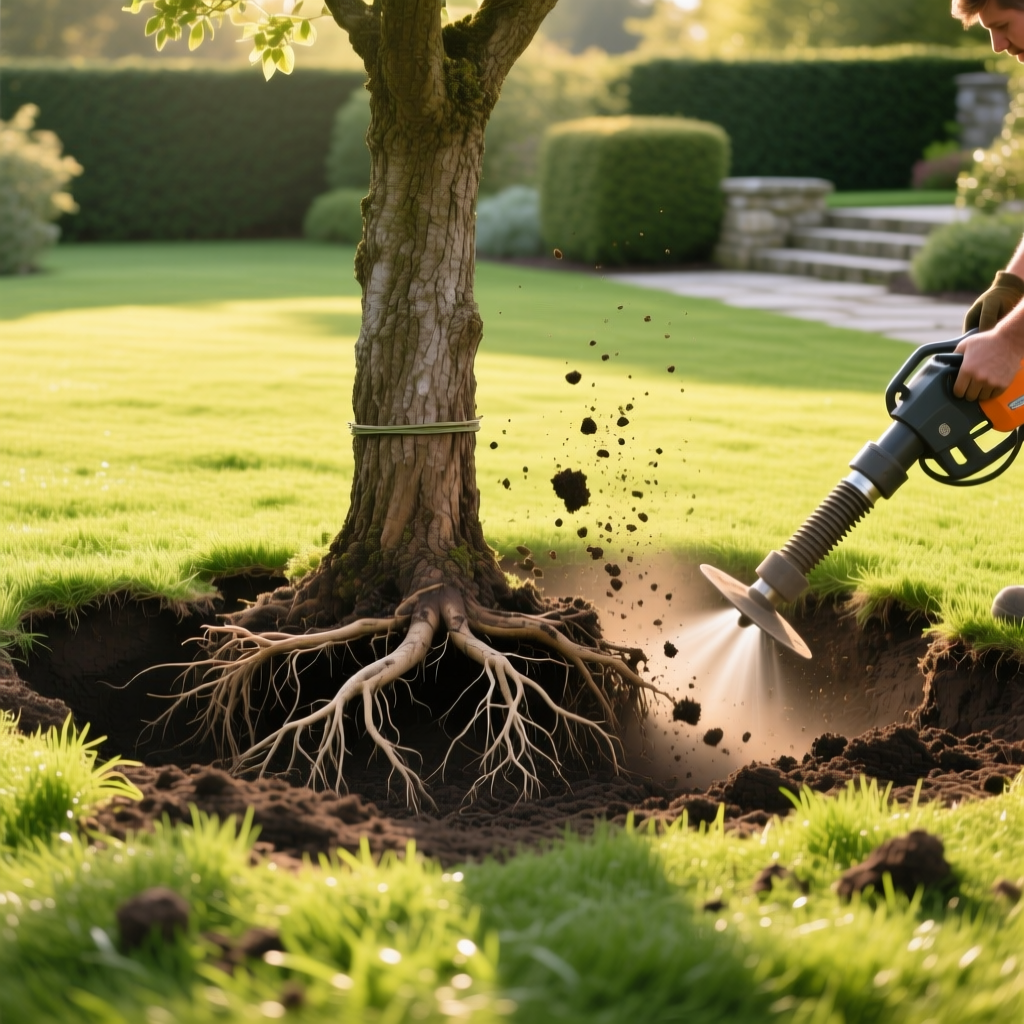
Simply cutting down an infected tree does not eliminate the Armillaria fungus. The remaining stump and large lateral roots will serve as a food source and an inoculum reservoir, allowing the fungus to survive and spread to adjacent trees for decades. To effectively manage the site, the stump must be ground out well below the soil surface, and as many large, infected roots as possible should be excavated and removed. While it is impossible to remove every microscopic trace of the fungus, starving it by removing its primary food source (the dead wood) will significantly reduce its vigor and its ability to spread.
Replanting with Resistant Species
After removing an infected tree and grinding the stump, you may wish to replant in the same area. It is highly recommended to wait at least a year to allow the remaining roots to decompose and the soil to settle. When you are ready to replant, focus on planting disease-resistant trees. Species such as birch, beech, and certain maples show higher resistance to Armillaria, whereas oaks, pines, and willows are highly susceptible. Planting a diverse mix of species in your landscape will also prevent a single pathogen from wiping out your entire tree canopy.
Seasonal Tips for Monitoring & Protecting Your Landscape
Managing Armillaria root rot requires year-round vigilance. By integrating specific monitoring and maintenance tasks into your seasonal landscape routine, you can catch potential issues early and maintain the overall health of your trees and lawn.
Spring: Inspection and Soil Preparation
As the canopy leafs out in the spring, inspect your mature trees for signs of delayed bud break, sparse foliage, or uneven leaf sizing. These are early indicators of root stress. Spring is also the ideal time to check the root collars of your trees. Ensure that soil and mulch are not piled against the trunk (often called "volcano mulching"), as this traps moisture against the bark and creates an ideal environment for fungal pathogens to enter the tree. Pull mulch back a few inches from the trunk to allow the root flare to breathe.
Summer: Hydration and Stress Management
Summer drought is the primary trigger that allows Armillaria to overcome a tree's natural defenses. During dry spells, prioritize deep watering for your most valuable mature trees. Use a soaker hose placed at the drip line and let it run slowly for several hours. Avoid frequent, shallow watering, which encourages weak surface roots. Additionally, minimize heavy pruning or construction activities near the tree's root zone during the summer, as physical stress will further weaken the tree's immune response.
Autumn: Mushroom Hunting and Cleanup
Fall is the most critical season for visually identifying Armillaria. After the first heavy autumn rains, walk your property and look for clusters of honey-colored mushrooms at the base of your trees, on old stumps, or along buried roots. If you spot them, mark the area for immediate inspection by an arborist. Furthermore, practicing thorough fall landscape maintenance, including raking and removing fallen leaves and debris, helps reduce the overall moisture and fungal load in the immediate environment.
Winter: Hazard Assessment and Planning
With the leaves gone, winter provides an unobstructed view of the tree's structure and the surrounding soil. Look for signs of soil heaving or cracking near the base of the tree, which can indicate that the roots are failing and the tree is beginning to lean. Winter is also the best time to schedule the removal of hazardous, infected trees. The ground is often firmer, reducing the impact of heavy equipment on the surrounding lawn, and the tree is dormant, minimizing the stress on neighboring plants.
Frequently Asked Questions
Can Armillaria root rot be cured with fungicides?
No, there are no chemical fungicides available that can cure or eradicate Armillaria root rot once it has infected a tree's root system. The fungus lives deep within the wood and the soil, making it inaccessible to chemical treatments. Management relies entirely on cultural practices to boost tree health, physical removal of infected wood, and preventative measures to protect surrounding trees.
How long does it take for Armillaria to kill a mature tree?
The timeline varies greatly depending on the tree species, its overall health, and the specific Armillaria species involved. In a severely stressed or highly susceptible tree, the fungus can girdle the root collar and cause death within one to three years. In a vigorous, somewhat resistant tree, the fungus may act as a slow, chronic decay organism, taking a decade or more to kill the tree, though it will compromise the tree's structural stability long before it dies completely.
Is it safe to plant a new tree in the exact same spot after removal?
It is generally not recommended to plant a highly susceptible tree in the exact same spot immediately after removing an Armillaria-infected tree. The remaining buried roots will continue to harbor the fungus. If you must replant in the same location, wait at least a year for the old roots to begin decomposing, thoroughly remove as much of the old stump and root mass as possible, and select a tree species known for its resistance to Armillaria root rot.
Do honey mushrooms at the base of my tree mean it is dying?
The presence of honey mushrooms (the fruiting bodies of the fungus) at the base of a tree is a strong indicator that the Armillaria fungus is actively feeding on the decaying wood of the root system or lower trunk. While the tree may still have green leaves and appear alive in the canopy, the structural integrity of its roots is likely severely compromised. You should consult a certified arborist immediately to assess the tree's stability and the risk of it falling.
Can Armillaria spread to my lawn or garden plants?
Armillaria primarily targets woody plants, including trees, shrubs, and vines. It does not typically infect herbaceous lawn grasses or annual garden flowers. However, it can be devastating to woody ornamental shrubs, rose bushes, and fruit trees. If you have an infected tree, be vigilant about monitoring nearby woody shrubs and hedges for signs of dieback or mycelial fans at their base.