Gardening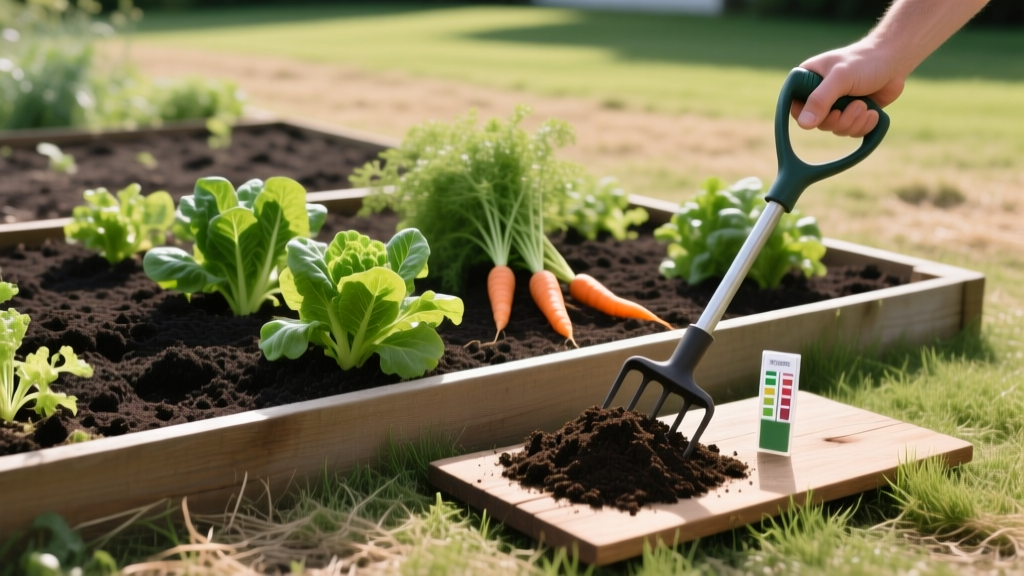
How to Recover Compacted Lawn Soil for Vegetable Gardens
James MillerPublished
The Hidden Challenge of Former Lawn Soil
When homeowners decide to transition from a traditional turfgrass lawn to a productive vegetable or flower garden, they often assume that simply removing the grass will reveal rich, fertile earth underneath. Unfortunately, this is rarely the case. Years of lawn maintenance, heavy foot traffic, constant mowing, and the application of synthetic fertilizers often leave behind a compacted, lifeless layer of soil that is entirely unsuitable for deep-rooted garden crops. True lawn renovation and recovery in the context of gardening means completely rehabilitating this damaged soil ecosystem. Turfgrass is a monoculture that demands frequent shallow watering and chemical inputs, which ultimately depletes soil organic matter and destroys the delicate soil food web. To successfully grow nutrient-dense vegetables or vibrant perennial flowers, you must approach lawn recovery as a soil-building project. This comprehensive guide will walk you through the exact steps required to transform a dead, compacted lawn into a thriving, biologically active garden bed.
Step 1: Diagnose the Soil Ecosystem
Before you pick up a shovel or order bulk compost, you must understand the baseline condition of your soil. Lawn soils are notoriously skewed in pH and depleted in essential micronutrients. Sending a sample to a reputable laboratory is the most critical first step in your renovation process. According to the experts at Cornell University's Soil Health program, a comprehensive soil health assessment goes beyond basic NPK (Nitrogen, Phosphorus, Potassium) levels. It evaluates physical and biological indicators such as aggregate stability, available water capacity, and active carbon. These metrics tell you how well your soil will hold moisture and support microbial life after years of turfgrass mismanagement. For most former lawn areas, you will likely find a high bulk density (compaction) and low active carbon. Once you receive your results, you can tailor your amendment strategy precisely, avoiding the common mistake of blindly adding lime or sulfur without knowing your soil's actual buffering capacity.
Step 2: Turf Removal and Thatch Management
Removing the existing lawn is a major hurdle in the renovation process. While rototilling the grass under might seem like the fastest method, it often brings dormant weed seeds to the surface and chops up aggressive perennial weeds like bindweed or quackgrass into thousands of viable pieces. Instead, the most ecologically sound method for lawn recovery is sheet mulching, also known as lasagna gardening. Begin by mowing the existing lawn as short as your mower will allow. Next, lay down overlapping layers of plain, uncoated corrugated cardboard directly over the grass. Wet the cardboard thoroughly to initiate the decomposition process and prevent it from blowing away. Cover the cardboard with a thick layer of organic material, such as wood chips, straw, or leaf mold. Over the next 8 to 12 weeks, the grass underneath will die and decompose, feeding the earthworms and soil microbes. This method preserves the existing topsoil structure while naturally recycling the thatch layer back into the ecosystem.
Step 3: Alleviating Deep Soil Compaction
Lawns suffer from severe compaction due to repeated foot traffic and the weight of lawn mowers. This compaction creates a 'hardpan' layer, typically 4 to 6 inches below the surface, which prevents water infiltration and stops vegetable roots from penetrating deeply. To fix this without destroying soil structure, avoid using a motorized rototiller. Tilling pulverizes soil aggregates and accelerates the oxidation of organic matter. Instead, use a broadfork. A broadfork is a manual tool with long, sturdy tines designed to fracture compacted soil deep underground. To use it, drive the tines into the ground using your body weight, then pull the handles back slightly to crack the soil open. Step back six inches and repeat the process across the entire garden bed. This technique, recommended by regenerative agriculture experts, opens up channels for air and water while leaving the soil layers intact, preserving the habitats of beneficial mycorrhizal fungi.
Step 4: Rebuilding Organic Matter and the Soil Food Web
Once the soil is physically opened up, it is time to feed it. The United States Environmental Protection Agency (EPA) highlights that composting is one of the most effective ways to rebuild degraded soils and divert organic waste from landfills. For a former lawn area, you need to incorporate a massive amount of organic matter to restore soil aggregation and moisture retention. Aim to top-dress your broadforked beds with 2 to 3 inches of high-quality, finished compost. If your soil test indicated severe deficiencies, blend in specific organic fertilizers such as kelp meal for trace minerals, rock phosphate for phosphorus, or glacial rock dust for broad-spectrum micronutrients. Gently incorporate the top inch of compost into the soil using a garden rake or a stirring hoe, being careful not to invert the deeper soil layers. Water the bed deeply to activate the microbial life and help the organic matter begin binding with the mineral soil particles.
Soil Recovery Amendment Guide for Former Lawns
Different underlying soil types require specific recovery strategies after years of turfgrass cultivation. Use the table below to determine the best approach for your specific site conditions.
| Soil Type | Primary Lawn Issue | Recovery Amendment | Application Rate |
|---|---|---|---|
| Heavy Clay | Severe compaction, poor drainage, waterlogging | Coarse compost, gypsum, expanded shale | 3 inches compost + 40 lbs gypsum per 1,000 sq ft |
| Sandy | Rapid drainage, nutrient leaching, low water retention | Peat moss, biochar, vermicompost | 2 inches peat/biochar mix + 1 inch vermicompost |
| Silty | Surface crusting, moderate compaction, erosion prone | Leaf mold, aged pine bark fines, cover crops | 2 inches leaf mold + 1 inch pine bark fines |
| Loam (Degraded) | Depleted organic matter, loss of soil structure | Homemade compost, composted manure | 2 inches of blended compost annually |
Step 5: Utilizing Cover Crops for Deep Recovery
If you have a full season before you plan to plant your primary vegetable crops, utilizing cover crops is the ultimate lawn recovery technique. The USDA Natural Resources Conservation Service (NRCS) strongly advocates for keeping living roots in the soil year-round to maintain soil health. For compacted former lawns, plant a mix of daikon radishes and crimson clover. Daikon radishes act as 'bio-drills.' Their massive taproots can penetrate up to three feet into the compacted hardpan, breaking it up naturally. When the radishes die back in the winter, they leave behind large, decaying channels that improve drainage and aeration for the following spring's vegetable roots. Meanwhile, the crimson clover acts as a leguminous ground cover, pulling nitrogen from the atmosphere and fixing it into the soil via symbiotic bacteria on its root nodules. In the spring, simply mow the cover crop down and let it decompose in place as a nutrient-rich green manure.
Seasonal Timing and Ongoing Maintenance
Timing your lawn renovation project correctly will save you immense frustration. The best time to begin soil recovery is in the late summer or early fall. This timing allows you to remove the turf, broadfork the soil, and plant a fall cover crop before the ground freezes. By the time spring arrives, the soil will have settled, the organic matter will have begun to integrate, and the hardpan will be fractured. Once your vegetable garden is established, maintain the recovered soil health by never walking on the growing beds. Establish permanent, defined pathways using wood chips or gravel to ensure that the garden soil remains uncompacted. Additionally, keep the soil covered with organic mulch at all times to regulate soil temperature, retain moisture, and provide a constant food source for the newly restored soil food web. Transforming a tired, compacted lawn into a vibrant garden is not an overnight process, but by focusing on biological soil recovery rather than chemical quick-fixes, you will build a resilient, highly productive landscape for decades to come.
