Pest Control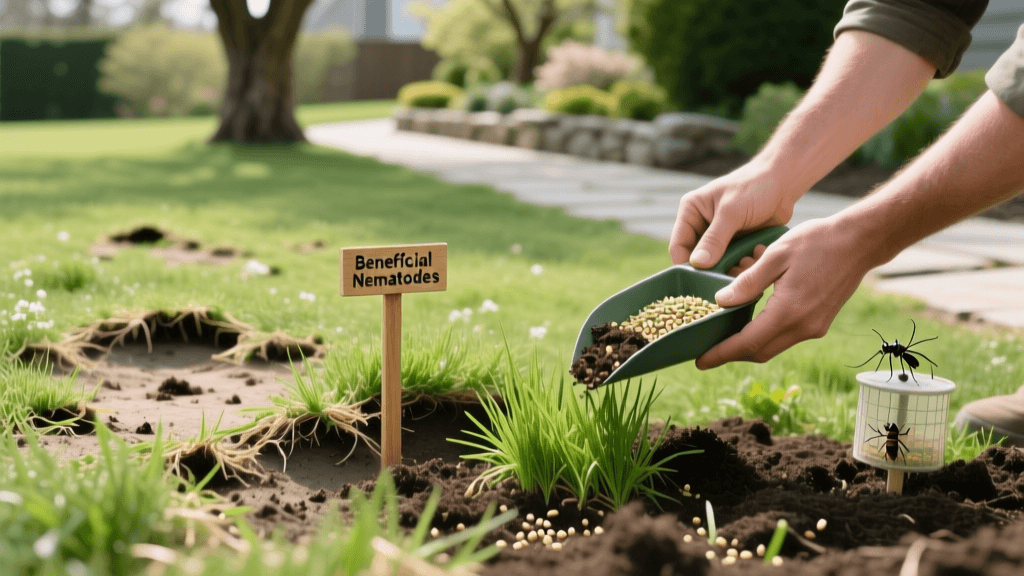
Recovering From Severe Grub Damage: Lawn Renovation Guide
The Devastation of White Grubs and the Need for Renovation
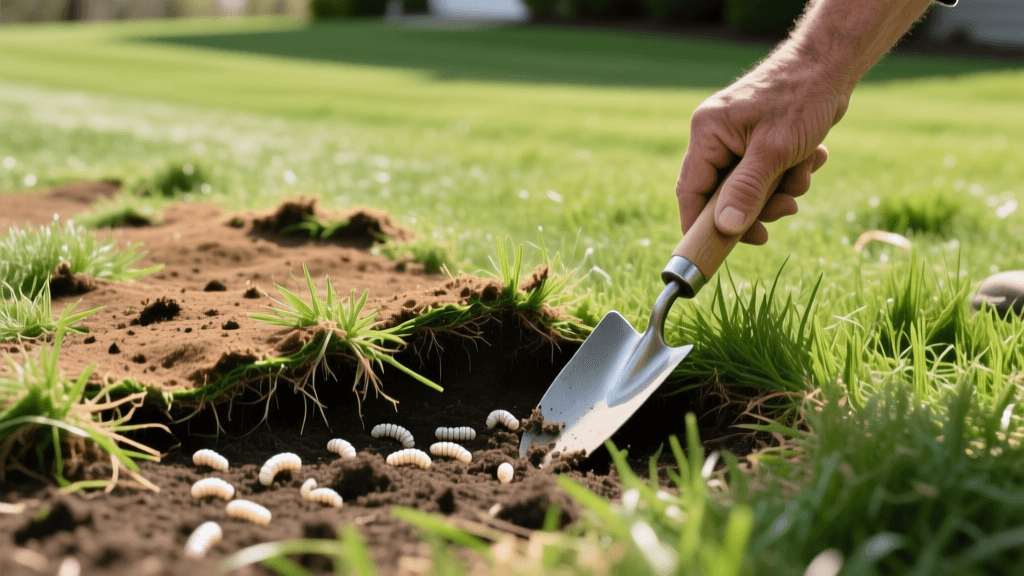
White grubs—the larval stage of scarab beetles such as Japanese beetles, June bugs, and European chafers—are among the most destructive turfgrass pests in North America. These C-shaped, cream-colored larvae live just beneath the soil surface, voraciously chewing through grassroots. When a severe infestation occurs, the turf completely detaches from the soil, leading to massive brown patches that can be rolled back like a carpet. For homeowners and turf managers, discovering this level of destruction means that simple overseeding will not suffice; a full-scale lawn renovation and integrated pest management (IPM) recovery plan is required.
Recovering from grub damage is a multi-step process that bridges pest control and agronomy. You must first eradicate the active threat, repair the secondary damage caused by foraging wildlife, and then execute a precise lawn renovation to re-establish a deep-rooted, resilient turf. According to turfgrass entomologists at Penn State Extension, failing to address the underlying grub population before renovating will only result in the new grass seedlings being consumed as soon as they germinate.
Step 1: Confirming Grub Damage Before Renovation
Before investing time and money into lawn renovation, you must confirm that grubs are the culprit. Drought stress, fungal diseases, and surface-feeding insects can mimic grub damage. Furthermore, you need to determine the population density to decide whether chemical or biological intervention is necessary.
The Tug Test and Shovel Test
Walk across the damaged areas of your lawn and gently tug on the brown grass. If the turf lifts effortlessly with no root resistance, you likely have a grub problem. To confirm and quantify the infestation, perform the Shovel Test:
- Use a spade to cut a 12-inch by 12-inch square of turf, about 3 inches deep.
- Peel the sod back like a hinge and examine the exposed soil and the underside of the thatch.
- Count the number of grubs present. Replace the sod and step it down to save the unaffected grass.
- Repeat this process in 3 to 4 different areas of the lawn, focusing on the transition zones between brown and green grass.
The Threshold: If you find more than 10 grubs per square foot, treatment is mandatory before renovation can begin. Populations between 5 and 10 per square foot may cause damage in lawns already stressed by drought or heavy foot traffic.
Step 2: Eradicating the Active Grub Population
You cannot successfully renovate a lawn if the soil is still teeming with root-eating larvae. Curative treatments are required in late summer or early fall when grubs are actively feeding near the surface. Preventative treatments, on the other hand, are used the following spring or early summer to stop the next generation.
According to research published by Michigan State University Extension, timing and active ingredients are the most critical factors in grub eradication. Trichlorfon (commonly sold as Dylox) is the industry standard for curative control. It acts rapidly, killing grubs within 24 to 48 hours, but it degrades quickly in the soil and must be watered in immediately.
Grub Control Products and Application Timing
| Active Ingredient | Brand Example | Control Type | Best Application Window | Expected Cost (per 5,000 sq ft) |
|---|---|---|---|---|
| Trichlorfon | Dylox 6.2G | Curative (Fast-acting) | Mid-August to Late September | $35 - $45 |
| Chlorantraniliprole | Scotts GrubEx1 | Preventative (Long residual) | April to Early June | $25 - $30 |
| Imidacloprid | Bayer Advanced 24 Hour | Preventative / Early Curative | June to July | $20 - $25 |
| Heterorhabditis bacteriophora | BioSafe Beneficial Nematodes | Biological Curative | Late Summer (Soil > 60°F) | $40 - $60 |
Application Instructions for Trichlorfon: Apply at a rate of 2 to 3 lbs per 1,000 square feet. Immediately follow the application with 0.5 inches of irrigation to move the active ingredient into the root zone where the grubs are feeding. Avoid applying Trichlorfon to highly alkaline soils (pH above 7.5), as it will degrade before reaching the target pests.
Step 3: Repairing Secondary Wildlife Damage
Grubs are a primary food source for skunks, raccoons, crows, and armadillos. When these animals discover a grub-infested lawn, they will dig deep, cone-shaped holes and tear up large sections of sod to reach the larvae. This secondary damage often looks worse than the grub damage itself.
Before renovating, you must address the animal disturbance. Use a heavy iron rake to break up the mounds of dirt and smooth out the torn soil. If the animals have flipped large sections of turf, roll them back into place and secure them with landscape staples or biodegradable turf pins. Water the repaired areas heavily to encourage any remaining roots to reattach. To deter nocturnal foragers during the renovation process, apply a castor oil-based animal repellent or install motion-activated sprinklers.
Step 4: Soil Preparation and Lawn Renovation
Once the grubs have been eradicated and the wildlife damage smoothed out, the actual lawn renovation begins. Grub-damaged lawns often suffer from severe soil compaction and thatch buildup, which must be corrected to ensure the new grass survives.
Dethatching and Core Aeration
Dead, grub-killed grass leaves behind a thick layer of thatch. Rent a power rake (dethatcher) to pull up the dead organic matter and expose the soil. Follow this with core aeration. Aeration pulls 2-to-3-inch plugs of soil from the ground, relieving compaction and creating ideal micro-environments for new seed. The cost to rent a core aerator is typically $70 to $100 for a half-day, while hiring a professional service averages $15 to $20 per 1,000 square feet.
Selecting Grub-Tolerant Grass Species
Not all grasses recover from grub damage equally. According to the University of California Integrated Pest Management Program, turfgrasses with deep, robust root systems can tolerate higher grub populations before showing visual damage. When overseeding your renovated lawn, choose Tall Fescue over Kentucky Bluegrass or Perennial Ryegrass. Tall Fescue roots can grow up to 3 feet deep, meaning surface-feeding grubs can only sever a fraction of the plant's total root mass, allowing the grass to survive and recover.
Seeding Rates and Topdressing: For Tall Fescue renovation, apply seed at a rate of 6 to 8 lbs per 1,000 square feet. Follow this with a thin topdressing (about 1/4 inch) of screened compost. The compost retains moisture, protects the seed from birds, and introduces beneficial soil microbes that aid in root development.
Step 5: Long-Term IPM and Biological Prevention
Chemical eradication is only the first phase of recovery. To prevent future outbreaks and maintain a renovated lawn, you must implement Integrated Pest Management (IPM) strategies that make your turf less hospitable to egg-laying beetles.
Beneficial Nematodes
For an organic, long-term IPM approach, apply beneficial nematodes (Heterorhabditis bacteriophora) to your newly renovated lawn. These microscopic worms naturally seek out and infect white grubs, releasing bacteria that kill the pest within 48 hours. Nematodes must be applied in the late summer when grubs are young, and the soil temperature is above 60°F. Because nematodes are sensitive to UV light and desiccation, apply them in the early evening and immediately water them into the soil.
Cultural Controls: Irrigation and Mowing
Expert IPM Tip: Japanese beetle and European chafer females prefer to lay their eggs in moist, irrigated soil during the heat of July. If your lawn enters a natural summer dormancy and the top inch of soil dries out, a massive percentage of the newly laid eggs will desiccate and die before they can hatch into root-eating grubs.
To support your renovated lawn while discouraging egg survival, transition to a deep and infrequent watering schedule. Water your lawn deeply (providing 1 to 1.5 inches of water per week) but allow the surface to dry out between sessions. Furthermore, raise your mower deck to 3.5 or 4 inches. Taller grass shades the soil surface, keeping it cooler and less attractive to egg-laying beetles, while simultaneously promoting the deep root growth necessary to withstand any future, minor grub feeding.
Conclusion
Recovering a lawn from severe grub damage is a test of patience and precision. By accurately diagnosing the infestation, applying the correct curative treatments like Trichlorfon at the right time, and executing a thorough renovation featuring core aeration and deep-rooted Tall Fescue, you can bring a destroyed landscape back to life. Coupled with biological controls like beneficial nematodes and smart irrigation practices, your newly renovated lawn will be resilient, healthy, and fortified against the next generation of scarab beetles.