Pest Control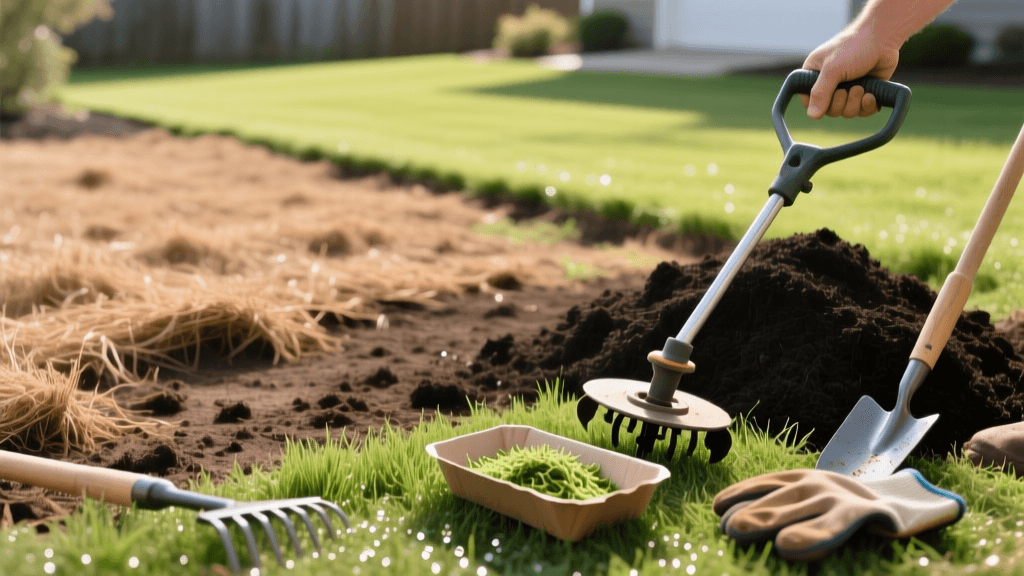
How to Renovate Your Lawn After a Severe Grub Infestation
The Devastation of White Grubs: When to Renovate
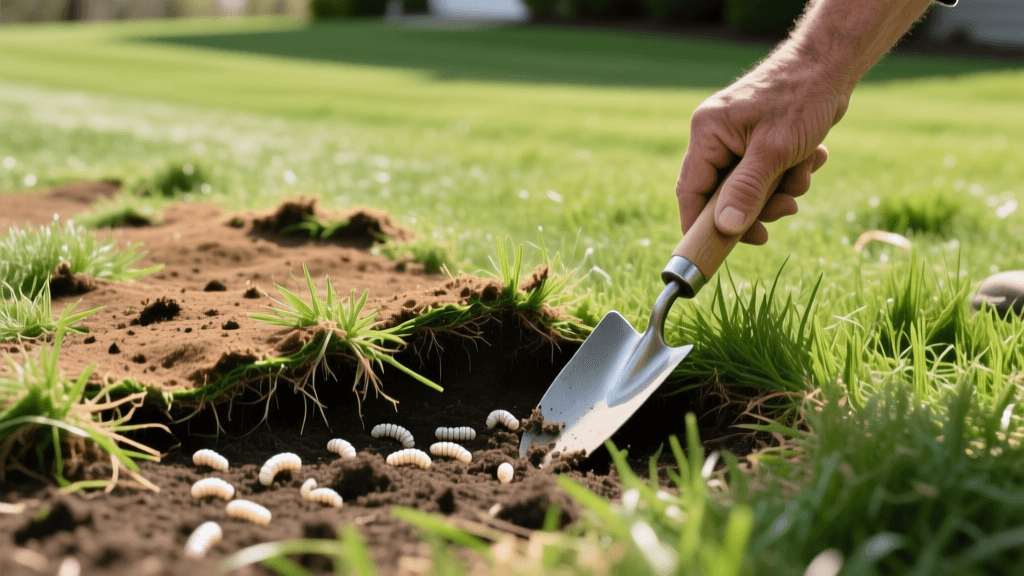
White grubs—the larval stage of Japanese beetles, June bugs, and European chafers—are among the most destructive soil-dwelling pests in North American lawns. These C-shaped, cream-colored larvae feed aggressively on the root systems of turfgrass, severing the plant's ability to uptake water and nutrients. The result is a lawn that turns brown, wilts rapidly during dry spells, and feels spongy underfoot. In severe cases, the turf loses its root anchor entirely, allowing you to roll back the dead grass like a freshly laid carpet.
While minor grub damage can often be managed with targeted spot treatments and localized overseeding, a severe infestation that destroys more than 50% of your lawn's root structure requires a complete lawn renovation. According to turfgrass entomologists at Penn State Extension, attempting to simply overseed a heavily grub-damaged lawn without addressing the underlying soil structure and eradicating the remaining pest population is a recipe for failure. A successful recovery demands an Integrated Pest Management (IPM) approach that combines immediate curative pest control with comprehensive site preparation, soil amendment, and strategic reseeding.
Step 1: Confirming and Eradicating the Grub Population
Before you purchase seed or rent a rototiller, you must ensure the active grub population is eradicated. If you seed over an active infestation, the newly germinated seedlings will have their tender, shallow roots consumed within days. To confirm an active infestation, use a flat-edged shovel to cut a one-foot by one-foot square of turf, three inches deep, and peel it back. Count the grubs. If you find more than 5 to 10 grubs per square foot during late summer or early fall, curative treatment is mandatory before renovation begins.
Curative vs. Preventative Grub Control
When renovating a damaged lawn in the fall, you are likely dealing with large, third-instar grubs that are actively feeding. Preventative insecticides (which target newly hatched, first-instar grubs) will not be effective at this stage. You must use a fast-acting curative insecticide. Trichlorfon (commonly sold under the brand name Dylox) is the industry standard for late-season curative control. It acts quickly, killing grubs within 24 to 48 hours, but it degrades rapidly in the soil, meaning it will not protect your new seedlings the following spring. For long-term protection, experts at Michigan State University Extension recommend applying a preventative insecticide containing Chlorantraniliprole (such as Acelepryn or Scotts GrubEx) the following spring to protect your newly established turf.
| Treatment Type | Active Ingredient | Common Brand Example | Application Timing | Est. Cost (per 1,000 sq ft) |
|---|---|---|---|---|
| Curative (Fast-Acting) | Trichlorfon | Bayer Advanced 24 Hour Grub Killer (Dylox) | Late Summer / Early Fall | $0.15 - $0.20 |
| Preventative (Long-Lasting) | Chlorantraniliprole | Scotts GrubEx / Syngenta Acelepryn | Spring / Early Summer | $0.10 - $0.15 |
| Biological (Long-Term IPM) | Paenibacillus popilliae | Milky Spore Powder | Spring or Fall (Takes 2-3 years) | $0.40 - $0.60 |
Step 2: Site Preparation and Debris Removal
Once the grubs have been eradicated and the dead turf has dried out, the physical renovation begins. You must remove the dead thatch, severed roots, and debris to ensure new seed has direct contact with the soil. For lawns where more than half the turf is dead, renting a sod cutter is the most efficient method. Set the sod cutter to a depth of about 1.5 to 2 inches to slice off the dead grass and the remaining thatch layer. Roll up and dispose of the dead sod.
After clearing the dead material, assess the soil compaction. Grub-damaged lawns often suffer from compacted soil, which limits root penetration and drainage. Use a core aerator to pull 2-to-3-inch soil plugs across the entire area. Leave the plugs on the surface; they will break down and help topdress the area. If the soil is severely degraded or heavily clay-based, consider renting a rototiller to loosen the top 4 to 6 inches of soil, followed by grading with a heavy landscaping rake to ensure a smooth, level surface that slopes away from your home's foundation at a 2% grade.
Step 3: Soil Amendment and Seed Selection
Healthy turfgrass is naturally more resilient to pest pressure. Before seeding, conduct a soil test to determine your pH and nutrient deficiencies. Turfgrass thrives in a pH range of 6.0 to 7.0. If your soil is too acidic, incorporate pelletized lime according to your soil test recommendations. To improve soil structure, water retention, and microbial activity, spread a 1/4-inch layer of high-quality, screened compost over the prepared seedbed and rake it into the top inch of soil.
Choosing Grub-Resistant Grass Varieties
Not all grasses tolerate grub feeding equally. According to renovation guidelines from the University of Maryland Extension, selecting the right seed is critical for long-term recovery. Tall Fescue is widely considered the most grub-tolerant cool-season grass. Its extensive, deep root system (often reaching 2 to 3 feet deep) allows the plant to survive even when shallow roots are pruned by foraging grubs. Furthermore, look for seed blends that are 'endophyte-enhanced.' Endophytes are beneficial, naturally occurring fungi that live inside the grass plant and produce alkaloids, which deter surface-feeding insects and improve overall drought and stress tolerance.
- Tall Fescue (Turf-Type or RTF): Best for deep roots and grub tolerance. Seeding rate: 6 to 8 lbs per 1,000 sq ft.
- Perennial Ryegrass (Endophyte-Enhanced): Excellent for rapid germination and erosion control during renovation. Seeding rate: 4 to 6 lbs per 1,000 sq ft.
- Kentucky Bluegrass: High recuperative potential via rhizomes, but shallow roots make it highly susceptible to grub damage. Use only in blends (max 20% of mix).
Step 4: Reseeding, Fertilizing, and Watering Protocols
Use a broadcast spreader to apply your chosen seed blend evenly across the prepared soil, splitting the application into two passes (one horizontal, one vertical) to ensure uniform coverage. Immediately after seeding, apply a high-quality starter fertilizer. Starter fertilizers are rich in phosphorus (the middle number in the N-P-K ratio), which is essential for rapid root development in young seedlings. A standard starter fertilizer like 10-18-10 applied at a rate of 1 pound of nitrogen per 1,000 square feet will provide the necessary nutrients without burning the tender new grass.
Lightly rake the seed into the soil so that it is covered by no more than 1/8 to 1/4 inch of dirt. You can apply a thin layer of peat moss or weed-free straw mulch to retain moisture and protect the seed from birds and wind.
Post-Renovation Watering Schedule
Water management is the most critical factor in the success of your lawn renovation. Grass seed must remain consistently moist to germinate, but overwatering can lead to fungal diseases like Pythium blight or wash away your seed.
- Days 1 to 14 (Germination Phase): Water 2 to 3 times daily for 5 to 10 minutes per zone. The goal is to keep the top 1 inch of soil constantly moist but not waterlogged. Adjust based on sunlight and wind.
- Days 15 to 28 (Establishment Phase): Once seedlings reach 1 inch tall, reduce watering frequency to once daily, but increase the duration to 15 to 20 minutes to encourage roots to grow deeper into the soil profile.
- Days 29+ (Maturation Phase): Transition to standard deep-and-infrequent watering. Apply 1 to 1.5 inches of water per week, divided into 2 or 3 heavy watering sessions, to promote deep root growth and drought resistance.
Long-Term IPM Strategies for Grub Resistance
Once your newly renovated lawn is established, shift your focus to long-term Integrated Pest Management to prevent future outbreaks. Maintain a mowing height of 3.5 to 4 inches. Taller grass blades produce larger, deeper root systems, which can better withstand minor grub feeding, and the dense canopy shades the soil, making it less attractive to adult beetles looking for warm, bare soil to lay their eggs.
Additionally, monitor your lawn for adult beetle activity in early summer. If you notice heavy Japanese beetle populations, consider applying a biological control like Bacillus thuringiensis galleriae (Btg), which targets the larvae immediately after they hatch, or introduce beneficial nematodes (Heterorhabditis bacteriophora) in late summer to naturally hunt down young grubs before they cause structural damage. By combining proper cultural practices with targeted, science-backed pest control, your renovated lawn will remain thick, green, and resilient for years to come.