Lawn Care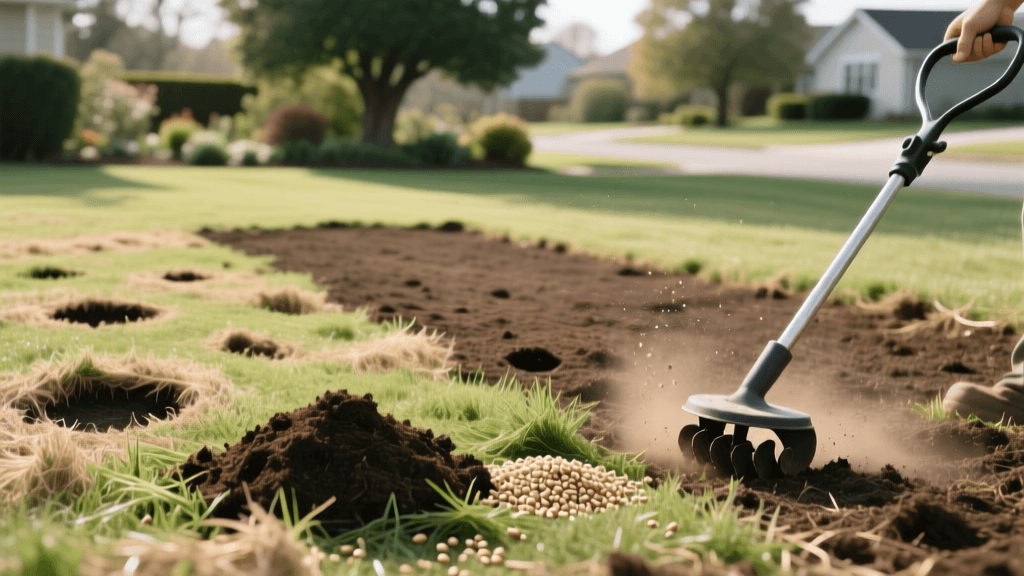
How to Renovate and Revive a Neglected Cool-Season Lawn
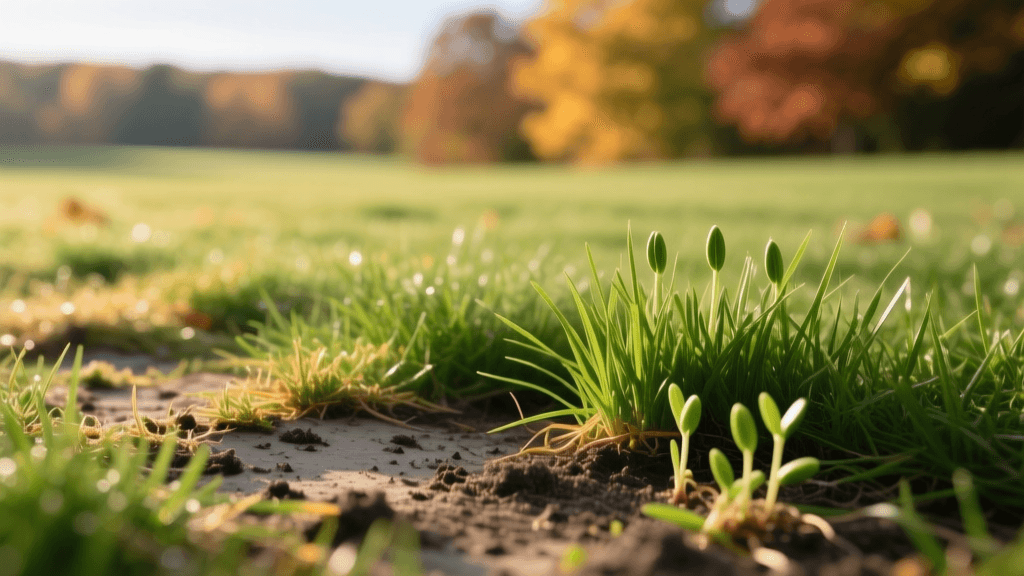
Reviving a cool-season lawn (such as Tall Fescue, Kentucky Bluegrass, or Perennial Ryegrass) that has succumbed to drought, neglect, or heavy weed infestation requires more than just a weekend of mowing. True lawn renovation is a systematic process of soil rehabilitation, weed eradication, and strategic overseeding. If your lawn is thin, brown, and overrun with crabgrass or broadleaf weeds, this comprehensive guide will walk you through the exact steps, costs, and timelines needed to bring it back to life.
Assessing Your Lawn: The 50% Rule
Before purchasing seed and renting equipment, evaluate the current state of your turf. Turfgrass specialists generally apply the '50% Rule' to determine whether a lawn needs renovation or complete replacement. If your lawn still has 50% or more desirable grass cover, overseeding and core aeration will suffice. If desirable grass covers less than 50% of the area, you may need to consider a total kill and re-sodding or complete reseeding. For this guide, we will focus on the renovation and recovery of a lawn that still has a foundational base of cool-season grass but requires aggressive intervention to recover its density and color.
Step-by-Step Cool-Season Lawn Renovation Guide
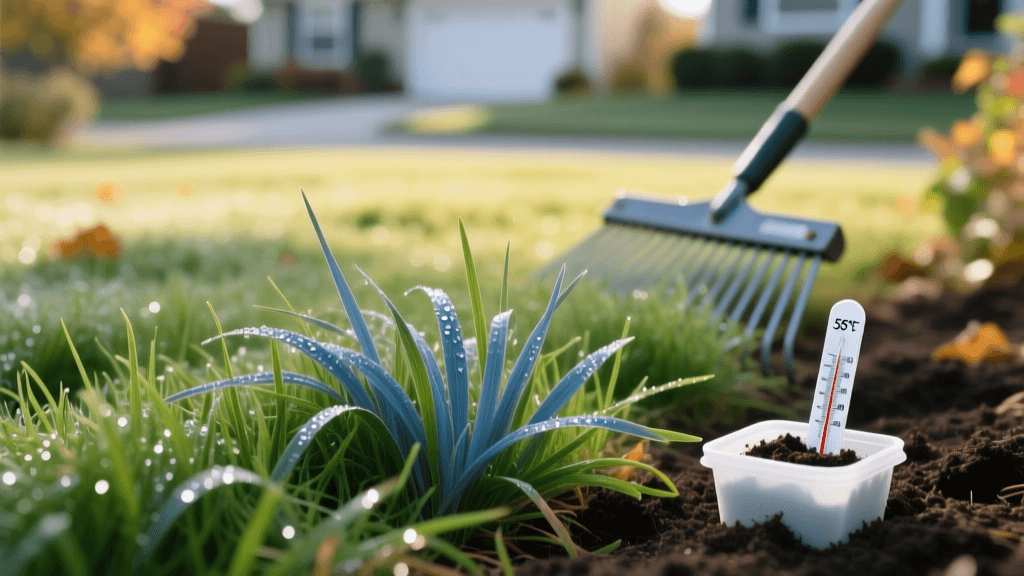
Timing is the most critical factor in cool-season lawn recovery. According to the University of Minnesota Extension, late summer to early fall (mid-August through mid-September) is the absolute best window for renovation. Soil temperatures are still warm enough to promote rapid seed germination, while cooler autumn air reduces heat stress and minimizes weed competition.
1. Eradicate Weeds and Clear Debris (Late August)
You cannot successfully plant new grass into a bed of established weeds. Two weeks before your planned aeration and seeding date, apply a non-selective herbicide like glyphosate to patches of severe weed infestation, or use a selective post-emergent herbicide if the weeds are isolated. For those preferring organic methods, manual dethatching with a heavy garden rake or using a natural herbicidal soap can weaken weed structures. Mow your existing lawn exceptionally short (about 1 to 1.5 inches) and bag the clippings to expose the soil surface and remove thatch buildup.
2. Test and Amend the Soil
Grass cannot recover if the soil chemistry is locked. Purchase a professional soil test kit (such as those offered by Logan Labs or your local university extension office) to measure pH and nutrient deficiencies. Cool-season grasses thrive in a pH range of 6.0 to 7.0. If your soil test reveals a pH below 6.0, apply pelletized limestone at the rate recommended by your test results (typically 50 lbs per 1,000 square feet to raise the pH by half a point). If the pH is above 7.5, elemental sulfur will be required. Additionally, apply a soil conditioner like liquid humic acid or granular gypsum to break up compacted clay soils, allowing new roots to penetrate deeply.
3. Dethatch and Core Aerate (Early September)
Thatch layers thicker than 1/2 inch prevent water, air, and fertilizer from reaching the root zone. Use a power dethatcher (rentable from most home improvement stores for about $80 per day) to rip out dead organic matter. Follow this immediately with core aeration. A core aerator pulls 2-to-3-inch plugs of soil from the ground, relieving compaction and creating perfect micro-environments for seed-to-soil contact. Run the aerator over the lawn in two perpendicular passes to ensure maximum soil fracturing. Leave the soil cores on the lawn; they will break down naturally with your next irrigation and help top-dress the thatch layer.
4. Overseed and Apply Starter Fertilizer
Select a high-quality, weed-free seed blend suited to your specific microclimate. For high-traffic areas and drought resistance, Tall Fescue is an excellent choice. For a denser, darker carpet, a Kentucky Bluegrass blend is ideal. Use a broadcast spreader to apply the seed evenly, splitting your application into two passes (north-south, then east-west) to prevent striping. Immediately after seeding, apply a high-phosphorus starter fertilizer to stimulate rapid root development.
| Grass Type | Renovation Seed Rate (per 1,000 sq ft) | Maintenance Overseed Rate (per 1,000 sq ft) | Recommended Starter Fertilizer |
|---|---|---|---|
| Tall Fescue | 6.0 - 8.0 lbs | 3.0 - 4.0 lbs | Scotts Turf Builder Starter (24-25-4) |
| Kentucky Bluegrass | 2.0 - 3.0 lbs | 1.0 - 1.5 lbs | Jonathan Green Green-Up (12-18-8) |
| Perennial Ryegrass | 5.0 - 7.0 lbs | 2.5 - 3.5 lbs | Lesco Starter Fertilizer (18-24-12) |
5. The Critical 30-Day Watering Schedule
Seed will die if it dries out during the germination phase. For the first 14 to 21 days, you must keep the top inch of soil consistently moist. This requires light, frequent watering—typically 10 to 15 minutes, two to three times per day, depending on sunlight and wind exposure. Once the new grass reaches a height of 2 inches and has been mowed for the first time, transition to deep, infrequent watering. Apply roughly 1 inch of water per week, delivered in one or two heavy sessions, to force the new roots to grow deep into the aeration holes.
Estimated Cost Breakdown for a 5,000 Sq Ft Lawn
Budgeting is an essential part of lawn recovery. Here is a realistic cost estimate for renovating a 5,000 square foot cool-season lawn using premium consumer-grade products and rental equipment:
- Soil Test: $30 - $50
- Core Aerator & Dethatcher Rental (1 Day): $150 - $200
- Premium Tall Fescue Seed (40 lbs): $120 - $160
- Starter Fertilizer (1 bag covering 5k sq ft): $45 - $60
- Top Dressing / Compost (Optional, 1 cubic yard): $50 - $80
- Total Estimated Cost: $395 - $550
While this represents a significant upfront investment, it is vastly more cost-effective than hiring a professional landscaping crew to install new sod, which can easily exceed $2,500 for the same square footage.
Long-Term Recovery and Maintenance
Renovation is only the beginning of your lawn's recovery. To ensure your new turf matures into a thick, resilient carpet, you must adopt a proactive maintenance schedule. Avoid applying broadleaf weed killers until the new grass has been mowed at least three times, as young seedlings are highly susceptible to chemical damage. As noted by the Clemson University Home & Garden Information Center, waiting until the following spring to tackle remaining weed issues with pre-emergent herbicides like prodiamine is often the safest route for newly renovated lawns.
Finally, commit to an annual fall aeration and overseeding routine. Even healthy lawns experience natural thinning over time. By adding a light maintenance dose of seed every autumn, you continuously outcompete weeds, fill in bare spots caused by summer stress, and maintain the lush, vibrant density that makes a cool-season lawn the pride of the neighborhood.