
Landscaping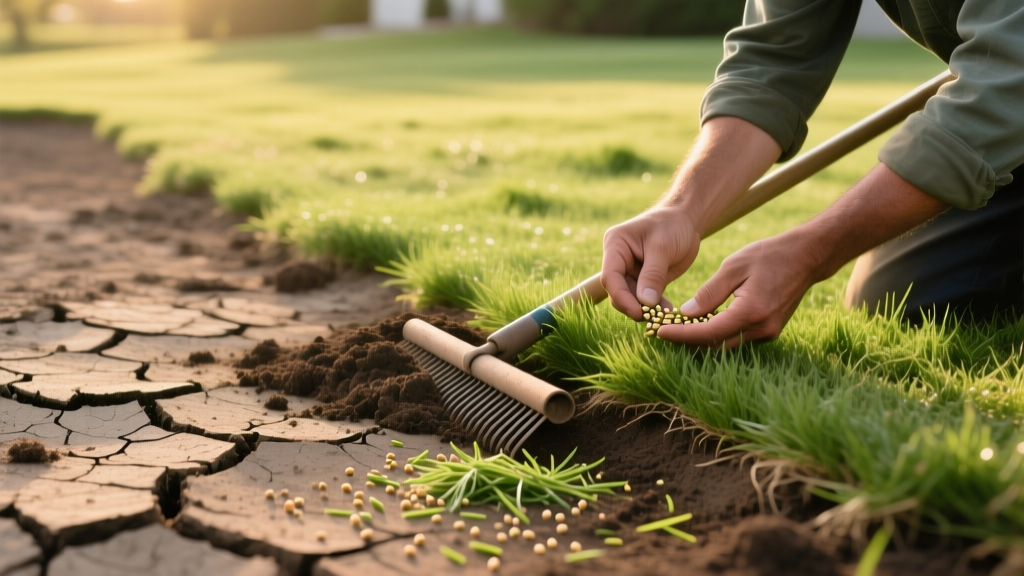
How to Renovate a Severely Damaged Lawn: Expert Steps
Sarah ChenPublished
The Ultimate Guide to Lawn Renovation and Landscape Recovery
When a landscape falls into disrepair due to severe drought, neglect, or heavy foot traffic, simple overseeding is rarely enough to restore its former glory. Lawn renovation is a comprehensive landscaping project that involves completely removing the existing turf, reworking the soil base, and establishing a brand-new lawn. Whether you are integrating new hardscaping features, fixing severe grading issues, or simply trying to revive a dead yard, a full landscape recovery requires strategic planning, precise execution, and patience. In this guide, we will walk you through the exact steps to renovate a severely damaged lawn, ensuring your outdoor space is both beautiful and structurally sound for years to come.
Assessing Your Lawn: The 50% Threshold
Before purchasing seed or renting heavy machinery, you must evaluate the current state of your landscape. Turfgrass experts generally follow the '50% Rule' to determine the best course of action. If your lawn consists of more than 50% bare soil, dead patches, or invasive weeds like crabgrass and quackgrass, a full renovation is required. If the lawn is relatively healthy but just a bit thin, overseeding will suffice.
Comparison: Full Renovation vs. Overseeding
| Feature | Full Lawn Renovation | Overseeding |
|---|---|---|
| Best For | Lawns with >50% weeds/bare spots, poor soil, or grading issues | Lawns with <50% damage, minor thinning, and good soil structure |
| Labor & Time | High (Requires tilling, grading, and weeks of establishment) | Low to Moderate (Aeration and seed spreading) |
| Cost Estimate | $0.50 - $1.50+ per square foot (DIY) | $0.10 - $0.30 per square foot (DIY) |
| Hardscape Integration | Excellent (Allows for regrading and adding drainage/edging) | Poor (Surface-level only) |
Step 1: Total Eradication of Existing Vegetation
A successful landscape recovery starts with a blank canvas. You must eliminate all existing weeds, dead grass, and invasive root systems. The most effective method is applying a non-selective systemic herbicide containing glyphosate. Apply the herbicide on a calm, dry day and wait 10 to 14 days for the vegetation to completely die. For an organic approach, you can use solarization by covering the lawn with clear plastic sheeting for 4 to 6 weeks during the heat of summer, effectively baking the weeds and weed seeds. Once the vegetation is dead, use a sod cutter to remove the dead layer, or a rototiller to break it up and incorporate it into the soil.
Step 2: Soil Testing and Amendment
Healthy turf requires a robust soil foundation. According to the USDA Natural Resources Conservation Service, maintaining optimal soil health is critical for water retention, nutrient cycling, and deep root establishment. Send a soil sample to your local university extension office to determine your pH and N-P-K (Nitrogen, Phosphorus, Potassium) levels. Most cool-season grasses thrive in a pH range of 6.0 to 7.0. If your soil is too acidic, incorporate pelletized lime; if it is too alkaline, apply elemental sulfur. Following the soil test recommendations, spread a 2-inch layer of high-quality organic compost over the entire area and till it into the top 4 to 6 inches of the native soil. This dramatically improves soil structure and drainage.
Step 3: Grading, Drainage, and Hardscape Integration
Lawn renovation is the perfect time to address underlying landscape design and drainage flaws. Standing water can drown new grass seed and erode topsoil. Use a string line and a line level to ensure your yard slopes away from your home's foundation at a minimum grade of 1/4 inch per foot.
If you are integrating hardscaping elements, such as a new paver patio, retaining walls, or French drains, install them before seeding. Hardscape borders, like aluminum or steel landscape edging, should also be secured at this stage to create clean, defined lines between your new turf and garden beds. Proper grading ensures that when heavy rains hit, water flows seamlessly into designated drainage swales or dry creek beds rather than pooling on your newly renovated lawn.
Step 4: Seed Selection and Application
Choosing the right seed is paramount for long-term landscape recovery. For cool-season climates, Tall Fescue is highly recommended due to its deep root system, drought tolerance, and wear resistance. Kentucky Bluegrass is another excellent choice for its lush appearance and rhizomatous spreading habit, which helps fill in bare spots naturally.
Use a broadcast spreader to apply the seed at the manufacturer's recommended rate—typically 8 to 10 pounds per 1,000 square feet for Tall Fescue. To ensure optimal seed-to-soil contact, lightly rake the area or drag a piece of chain-link fence over the seedbed. Finally, apply a starter fertilizer high in phosphorus (such as a 10-18-10 blend) to promote rapid root development, and cover the seed with a thin layer of peat moss or weed-free straw to retain moisture.
Step 5: Precision Watering and Establishment
Newly seeded lawns require meticulous moisture management. The EPA WaterSense program emphasizes that efficient outdoor water use not only conserves resources but also prevents the shallow root growth associated with overwatering. During the first two weeks, water the seedbed lightly 3 to 4 times a day for 5 to 10 minutes to keep the top inch of soil consistently moist.
Once the grass reaches a height of 2 inches, reduce the frequency to once a day but increase the duration to encourage deeper root penetration. By week four, transition to the standard landscaping practice of deep, infrequent watering—providing about 1 to 1.5 inches of water per week. Mow the lawn for the first time only when the grass reaches 3.5 inches, ensuring your mower blades are exceptionally sharp to avoid tearing the tender young blades.
'A successful landscape renovation is not just about planting grass; it is about engineering the soil, managing water flow, and creating a cohesive outdoor environment where turf and hardscape work in harmony.'
Long-Term Landscape Maintenance
Once your newly renovated lawn is established, transitioning to a sustainable maintenance routine will protect your investment. The University of Minnesota Extension recommends leaving grass clippings on the lawn to return valuable nitrogen to the soil, reducing the need for synthetic fertilizers by up to 25%.
Core aerate your lawn annually in the fall to alleviate soil compaction, especially in high-traffic areas near patios and walkways. By treating your lawn as an integral component of your broader landscape design—rather than an afterthought—you ensure a vibrant, resilient outdoor living space that enhances your property's curb appeal and ecological health for decades.

