Pest Control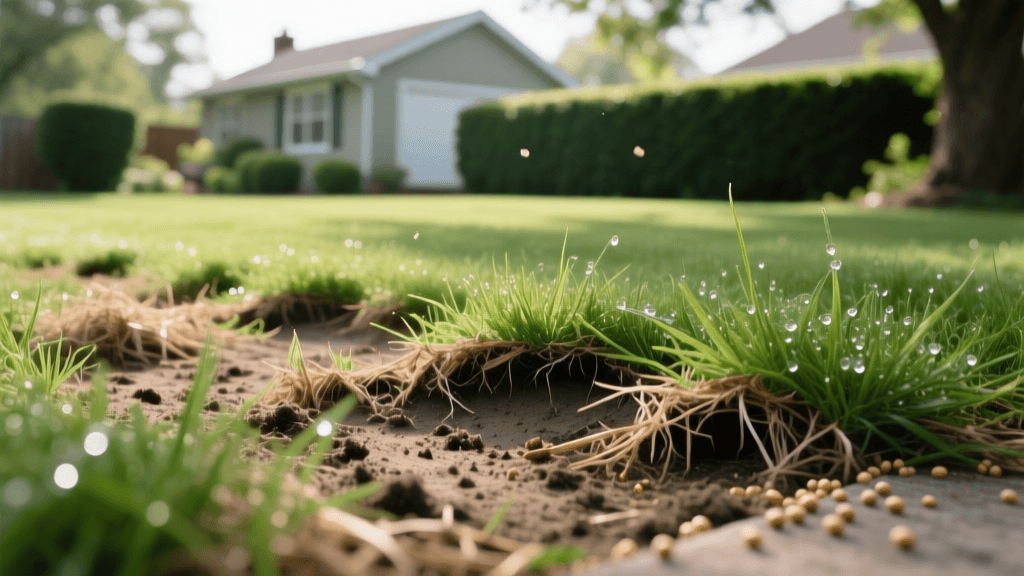
Repairing Lawn Damage After a Severe Grub Infestation
The Devastating Impact of White Grubs on Turfgrass
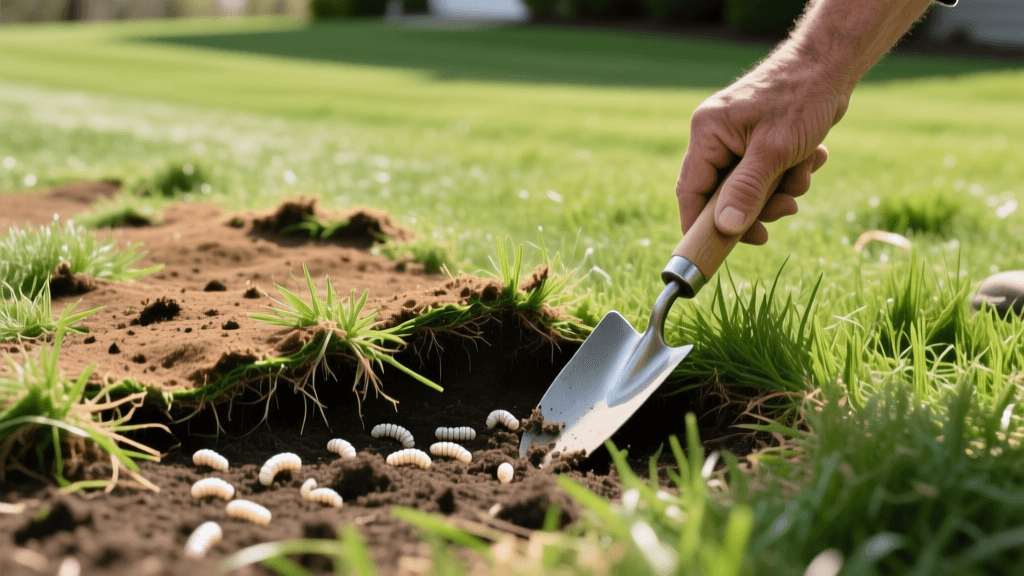
White grubs are the larval stage of various scarab beetles, including Japanese beetles, June bugs, and European chafers. These C-shaped, creamy-white larvae live just beneath the soil surface, where they voraciously feed on the root systems of turfgrass. When a lawn suffers a severe grub infestation, the root system is entirely severed from the soil, depriving the grass of essential water and nutrients. The resulting damage often looks like severe drought stress, but unlike drought, damaged turf will feel spongy underfoot and can be rolled back like a loose carpet.
Beyond the direct feeding damage, grub-infested lawns often suffer catastrophic secondary damage. Wildlife such as skunks, raccoons, crows, and armadillos will actively dig up and tear apart the turf to feast on the protein-rich larvae. If your lawn has been decimated by grubs and subsequently torn up by foraging wildlife, a comprehensive lawn renovation and recovery plan is essential. Integrated Pest Management (IPM) dictates that we must first eliminate the active pest threat before investing time and money into soil preparation and overseeding.
Step 1: Confirming the Infestation and Assessing Damage
Before purchasing seed or renting an aerator, you must confirm that grubs are the culprit and assess whether the population is still active. According to Penn State Extension, the economic threshold for treating grubs is typically between five and ten grubs per square foot, depending on the health of the turf and the specific grub species.
The Tug Test and Square-Foot Dig Test
To evaluate your lawn, perform the 'tug test.' Grab a handful of brown, dying grass and pull gently. If the grass lifts away from the soil with zero resistance and no roots attached, grubs have likely severed the root zone. Next, use a flat-headed shovel to cut three sides of a one-square-foot section of turf, about two to three inches deep, and peel it back like a hinge. Count the number of grubs in the exposed soil and the roots of the lifted sod. Repeat this process in three to four different areas of the lawn, particularly at the margins between brown and green grass, where grubs are actively feeding.
Step 2: Eradicating the Active Grub Population
You cannot successfully renovate a lawn if the pests are still active beneath the soil. If you discover an active infestation in late summer or early fall, you must apply a curative treatment. Preventative treatments (applied in early summer) will not work on large, mature grubs that are currently destroying your roots.
Grub Control Strategy Comparison
| Treatment Type | Active Ingredient / Method | Best Timing | Target Life Stage |
|---|---|---|---|
| Curative Chemical | Trichlorfon (e.g., Dylox) | Late Summer / Early Fall | Large, active larvae |
| Preventative Chemical | Imidacloprid or Chlorantraniliprole | Late Spring / Early Summer | Eggs and young larvae |
| Organic / Biological | Heterorhabditis bacteriophora Nematodes | Late Summer (when soil is moist) | Active larvae (requires strict moisture) |
For immediate curative action, products containing Trichlorfon are highly effective and work within a few days to halt root destruction. If you prefer an organic approach, beneficial nematodes (specifically the Heterorhabditis bacteriophora species) are microscopic worms that seek out and infect grubs. However, nematodes require precise application conditions; the soil must be heavily irrigated before and after application to prevent the nematodes from drying out and dying. The University of Kentucky Entomology department emphasizes that timing and soil moisture are the most critical factors when utilizing biological controls like nematodes.
Pro Tip: Never apply a preventative grub control product (like Imidacloprid) to a lawn that is currently being destroyed by mature grubs. Preventatives target newly hatched, tiny grubs and will not penetrate the cuticle of large, third-instar larvae causing autumn damage.
Step 3: Soil Preparation for Lawn Renovation
Once the grub population has been neutralized and wildlife foraging has ceased, the true work of lawn renovation begins. The soil left behind by grub damage and animal digging is often heavily compacted, uneven, and stripped of organic matter.
- Clear Debris and Dead Turf: Use a heavy-duty lawn rake or a mechanical dethatcher to remove the dead, rootless grass and loose soil mounds left by foraging animals. This exposes the bare soil, which is necessary for seed-to-soil contact.
- Core Aeration: Rent a core aerator and make two passes over the damaged areas in perpendicular directions. This relieves soil compaction, creates channels for water and oxygen, and provides perfect micro-environments for grass seed to germinate.
- Topdressing with Compost: Spread a thin layer (about 1/4 to 1/2 inch) of high-quality, screened organic compost over the bare soil. This levels out the divots left by skunks and raccoons, introduces beneficial soil microbes, and provides a slow-release nutrient base for new seedlings.
Step 4: Overseeding with Grub-Resistant Grass Varieties
When renovating a lawn post-infestation, do not simply replace the grass with the same vulnerable species you had before. Instead, select turfgrass varieties that possess natural defenses against root-feeding pests. According to the University of Minnesota Extension, maintaining a dense, vigorous turf is the best cultural defense against future outbreaks, and certain grasses achieve this more effectively than others.
Look for seed blends containing Tall Fescue or Perennial Ryegrass that are enhanced with endophytes. Endophytes are beneficial, naturally occurring fungi that live symbiotically within the grass plant. While they do not harm the grass, they produce alkaloids that make the foliage and stems highly unpalatable and toxic to surface-feeding insects, and they promote deeper, more robust root systems that can better tolerate minor root pruning by grubs. Apply the seed at the recommended heavy overseeding rate (typically 4 to 6 pounds per 1,000 square feet for tall fescue) using a broadcast spreader, followed by a light raking to ensure the seed settles into the aeration holes and compost layer.
Step 5: Post-Renovation Watering and Maintenance
The success of your lawn renovation hinges entirely on the watering schedule during the first three to four weeks. Grass seed must remain consistently moist to germinate and establish a new root system.
- Weeks 1-2 (Germination): Water the renovated areas lightly two to three times per day for 5 to 10 minutes. The goal is to keep the top inch of soil and the compost layer perpetually damp, but not waterlogged.
- Weeks 3-4 (Establishment): As seedlings emerge and reach a height of two inches, reduce the frequency of watering to once a day, but increase the duration. This encourages the new roots to grow deeper into the soil profile in search of moisture.
- Week 5 and Beyond (Deep Rooting): Transition to a standard deep-and-infrequent watering schedule. Apply about 1 to 1.5 inches of water per week, ideally in one or two heavy sessions. Deep watering promotes deep root growth, making the lawn vastly more resilient to both drought stress and future shallow-root-feeding pests.
Delay mowing until the new grass reaches about 4 inches in height. When you do mow, ensure your mower blades are razor-sharp to prevent tearing the delicate new shoots, and never remove more than the top one-third of the grass blade. Maintaining a taller mowing height (3 to 4 inches) shades the soil, retains moisture, and makes it significantly harder for adult beetles to access the soil surface to lay their eggs in early summer.
Long-Term Prevention: Building a Resilient Lawn
Renovating your lawn is a significant investment of time and resources. To protect this investment, adopt a long-term Integrated Pest Management (IPM) strategy. Monitor your lawn annually in late summer using the square-foot dig test. Maintain proper soil pH (between 6.0 and 7.0) through regular soil testing, as balanced soil chemistry promotes rapid root regeneration even if minor pest feeding occurs. By combining curative treatments when thresholds are exceeded with the strategic planting of endophytic, deep-rooted grass varieties, you can transform a devastated, grub-ridden yard into a thick, resilient, and vibrant landscape.