Pest Control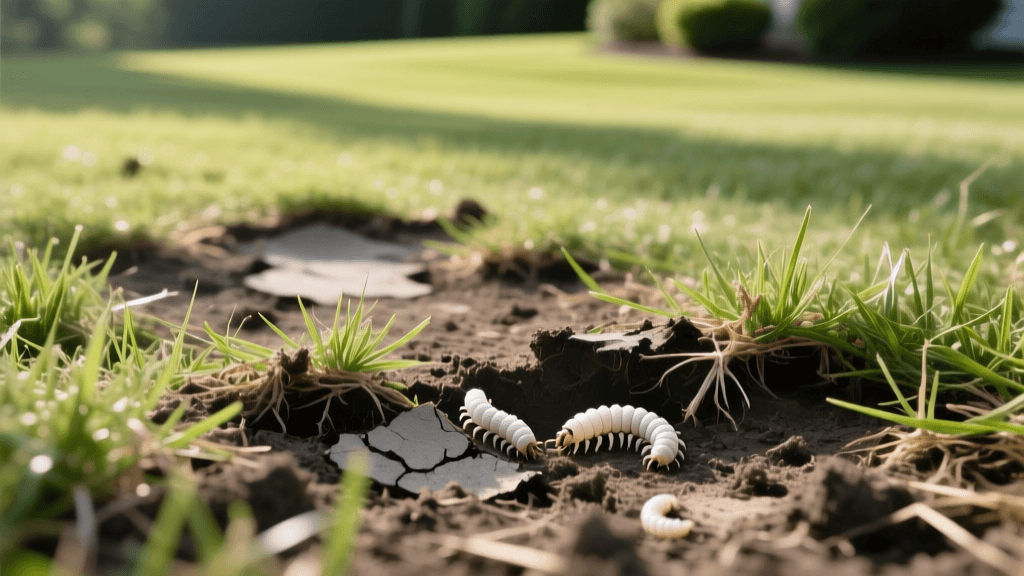
How to Repair and Renovate a Lawn Destroyed by Grubs
The Devastation of White Grubs on Turfgrass
White grubs—the C-shaped larvae of scarab beetles like Japanese beetles, June bugs, and masked chafers—are among the most destructive pests a homeowner can face. By feeding aggressively on grassroots, they sever the turf's connection to water and nutrients, causing large, irregular brown patches. However, the primary feeding damage is often compounded by secondary damage: foraging animals like skunks, raccoons, crows, and moths will literally tear your lawn apart, rolling back the sod like a carpet to feast on the protein-rich grubs beneath. When a lawn reaches this level of devastation, simple overseeding or spot treatments will not suffice. You must implement a comprehensive lawn renovation and recovery plan that addresses both the active pest population and the destroyed soil structure.
Step 1: Confirming Grub Damage vs. Other Issues
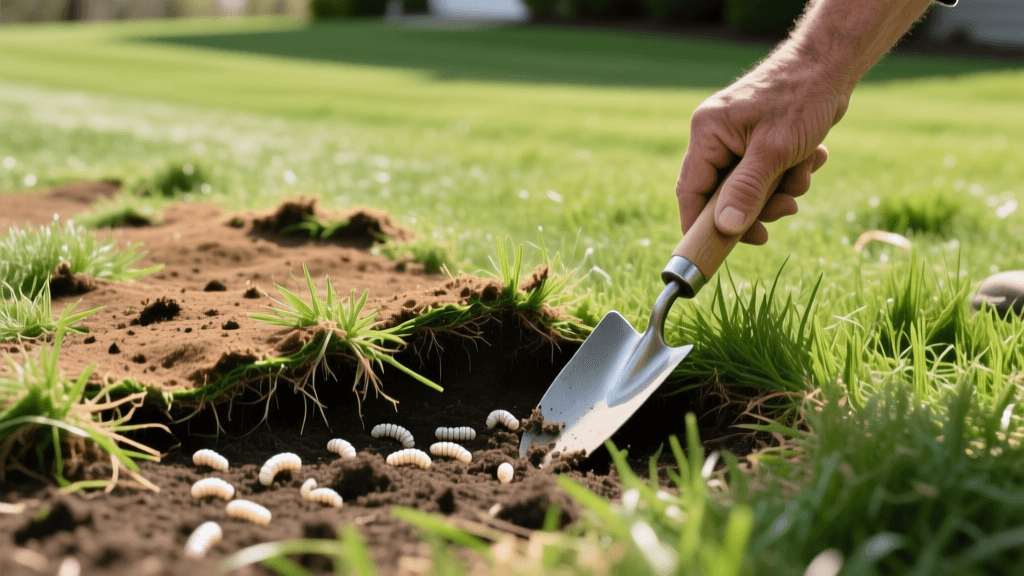
Before purchasing expensive seed and fertilizers, you must confirm that grubs are the culprit. Brown patches can also result from drought stress, fungal diseases like brown patch, or pet urine. To confirm grub activity, perform the 'tug test.' Grab a handful of the dead grass at the edge of a brown patch and pull. If the turf rolls back easily with no root resistance, grubs have likely eaten the root system.
Next, use a flat-edged spade to cut a 12-inch by 12-inch square of sod about two inches deep. Peel it back and count the C-shaped, white grubs in the topsoil. According to Penn State Extension, finding more than 5 to 10 grubs per square foot justifies an immediate curative treatment. If you find fewer, the damage may be primarily from animal foraging rather than the grub population itself, and your recovery strategy should focus more on animal deterrence and soil repair.
Step 2: Eradicating the Active Grub Population
You cannot successfully renovate a lawn if the pests are still active. New seed and tender young roots will immediately become a food source. Because you are in a recovery scenario (typically late summer or early fall when damage becomes visible), preventative chemicals will not work. You need a fast-acting curative insecticide.
The gold standard for curative grub control is Trichlorfon, commonly sold under the brand name Dylox. It penetrates the soil quickly and kills active grubs within 1 to 3 days. It is critical to water in Trichlorfon immediately after application with at least 1/4 to 1/2 inch of irrigation, as the chemical degrades rapidly when exposed to sunlight and high soil pH.
Grub Control Active Ingredients & Timing
| Active Ingredient | Common Brand | Best Application Window | Kill Speed | Residual Control |
|---|---|---|---|---|
| Trichlorfon | Dylox | Late Summer / Early Fall | 1-3 Days | 1-2 Weeks |
| Carbaryl | Sevin | Late Summer | 3-5 Days | 1-2 Weeks |
| Chlorantraniliprole | Acelepryn | Early Spring / Early Summer | 2-3 Weeks | 3-4 Months |
| Imidacloprid | Merit | Early Summer | 1-2 Weeks | 3-4 Months |
Note: Acelepryn and Merit are preventative. They must be applied in early summer before grubs hatch and will not cure an active late-summer infestation during your renovation window.
Step 3: Soil Preparation for Renovation
Once the curative treatment has been applied and you have waited 7 to 10 days to ensure grub mortality, you must address the physical damage to the soil. Animal foraging leaves deep craters and exposed subsoil, which is terrible for seed-to-soil contact.
- Leveling: Use a heavy-duty lawn roller (filled halfway with water) to press flipped sod back into place and smooth out animal diggings. For severe damage, use a landscape rake to redistribute topsoil.
- Dethatching: Grub-damaged lawns often have a layer of dead, detached roots sitting on the soil surface. Rent a power dethatcher to pull up this dead material, ensuring your new seed will actually reach the soil.
- Core Aeration: Run a core aerator over the entire renovated area. This relieves soil compaction caused by heavy foot traffic during the grub treatment process and creates perfect micro-environments for new grass seed to germinate.
Step 4: Reseeding and Overseeding Strategies
Choosing the right grass seed is vital for long-term recovery. The UMass Extension Turf Program notes that certain grass species are more tolerant of root feeding due to their robust root systems and growth habits.
Tall Fescue is highly recommended for grub-prone areas. Its deep, extensive root system can sustain the plant even if some roots are pruned by grubs. Kentucky Bluegrass (KBG) is another excellent choice because it spreads via underground rhizomes, allowing it to naturally fill in gaps if localized grub damage occurs in the future.
For a full lawn renovation, apply Tall Fescue seed at a rate of 8 to 10 lbs per 1,000 square feet. If overseeding an existing thin lawn, reduce the rate to 4 to 5 lbs per 1,000 square feet. Always pair your seeding with a high-phosphorus starter fertilizer (such as a 10-18-10 NPK ratio) applied at roughly 4 lbs per 1,000 square feet to encourage rapid root development.
Step 5: Post-Renovation Maintenance and Prevention
Watering is the most critical factor in the first 30 days of recovery. New grass seed requires constant moisture in the top inch of soil. Water the renovated area lightly 2 to 3 times a day for 10-15 minutes per zone. Once the grass reaches 2 inches in height, gradually taper off the frequency and increase the duration to encourage deep root growth.
To protect your new seed from birds and returning foraging animals, consider applying a liquid castor oil or capsaicin-based animal repellent around the perimeter of the lawn. Alternatively, lay biodegradable jute netting over heavily damaged slopes to hold the seed in place and deter crows.
'While Milky Spore (Paenibacillus popilliae) is a popular organic remedy, it is highly specific to Japanese beetle grubs and can take up to five years to establish in the soil. For a lawn requiring immediate renovation, fast-acting curative chemicals or beneficial nematodes are far more effective.' - Cornell University Integrated Pest Management
For long-term, organic prevention in the years following your renovation, apply beneficial nematodes (Heterorhabditis bacteriophora) in late August. These microscopic worms actively hunt and destroy young grub larvae before they can grow large enough to damage your newly established root system.
Your Grub Recovery & Renovation Timeline
- Day 1: Apply curative grub control (Trichlorfon) and water in immediately with 1/2 inch of irrigation.
- Day 7-10: Verify grub mortality. Begin soil leveling, dethatching, and animal crater repair.
- Day 12: Core aerate the lawn and apply starter fertilizer (10-18-10).
- Day 13: Overseed or lay new sod. Apply a thin layer of peat moss or straw mulch to retain moisture.
- Day 14-28: Maintain a strict, light watering schedule (2-3 times daily) for seed germination.
- Day 30: Perform the first mow (never removing more than 1/3 of the blade) and transition to deep, infrequent watering.
- Following Spring: Apply preventative grub control (Chlorantraniliprole) in May or June to protect your newly renovated investment.