Tree Care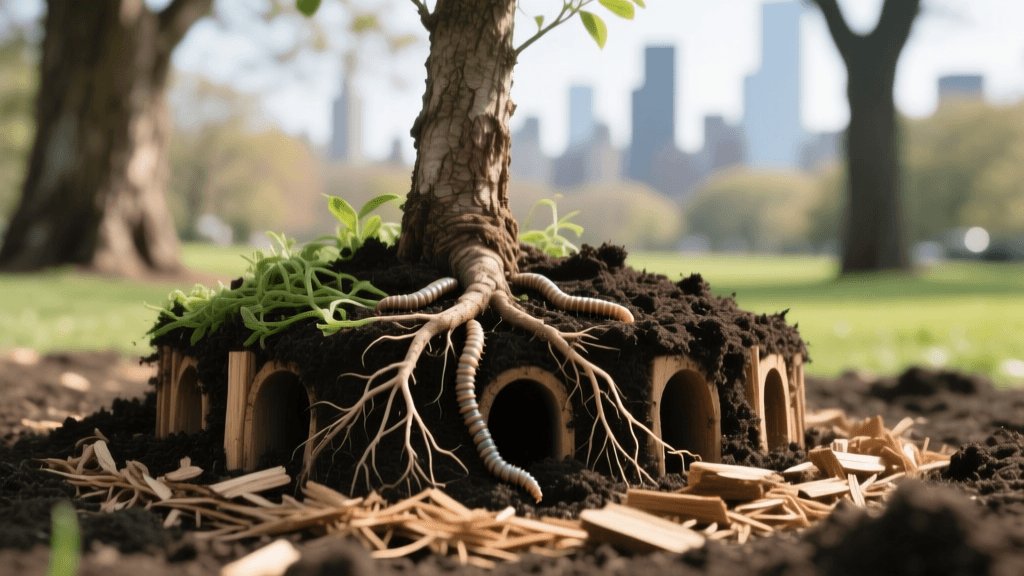
How to Revitalize Compacted Tree Soil Using Compost
The Silent Killer of Urban Trees: Soil Compaction
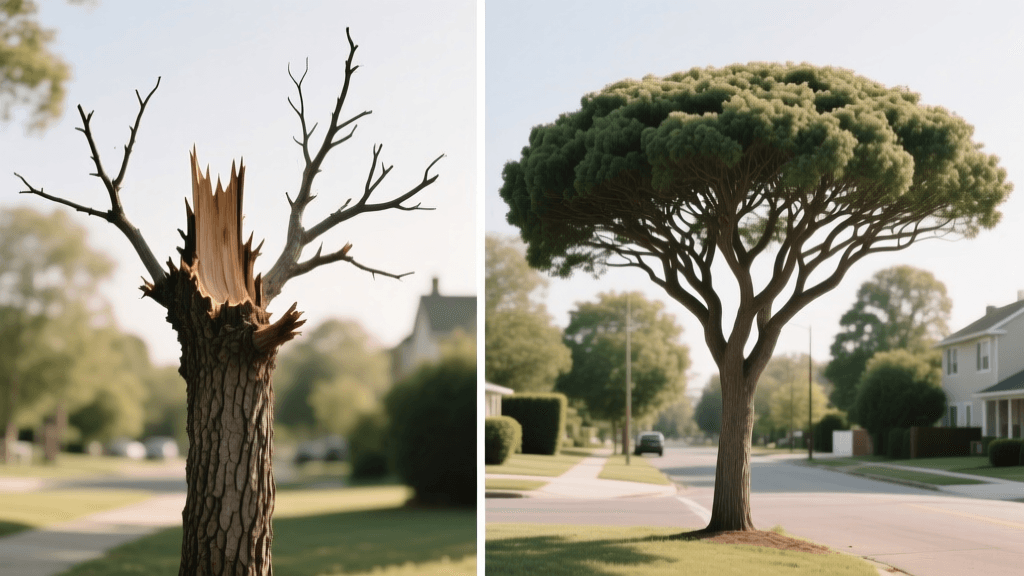
Urban and suburban landscapes present a unique set of challenges for tree health, and the most pervasive of these is soil compaction. When heavy foot traffic, construction equipment, or even repeated mowing compresses the soil, the vital pore spaces that hold oxygen and water are crushed. For a tree, this is akin to suffocating. Roots require oxygen for cellular respiration and nutrient uptake. In severely compacted soils, water pools on the surface or runs off entirely, while the underlying root zone dries out or becomes anaerobic. Over time, this leads to stunted canopy growth, increased susceptibility to pests and diseases, and premature tree decline. However, arborists and soil scientists have long championed a remarkably effective, natural solution: the strategic application of high-quality compost. By understanding the intersection of soil health, composting, and tree biology, homeowners can revitalize compacted tree soils and restore vigorous growth.
How Compost Transforms Compacted Soil
To understand why compost is so effective, we must first look at the soil food web and soil structure. Healthy soil is composed of roughly 50% solid material (minerals and organic matter) and 50% pore space (half water, half air). Compacted soil can see its pore space reduced to less than 20%, severely limiting root expansion. Compost acts as a biological and physical catalyst. Physically, the organic matter in compost binds soil particles together into stable aggregates. This process, known as flocculation, essentially pries compacted clay particles apart, recreating the macro-pores necessary for water infiltration and gas exchange. Biologically, compost introduces billions of beneficial microbes, fungi, and bacteria. These organisms secrete glomalin and other sticky substances that further stabilize soil aggregates. Furthermore, compost significantly increases the soil's Cation Exchange Capacity (CEC), allowing it to hold onto essential nutrients like calcium, magnesium, and potassium, preventing them from leaching away.
1. Surface Application: The Compost "Donut"
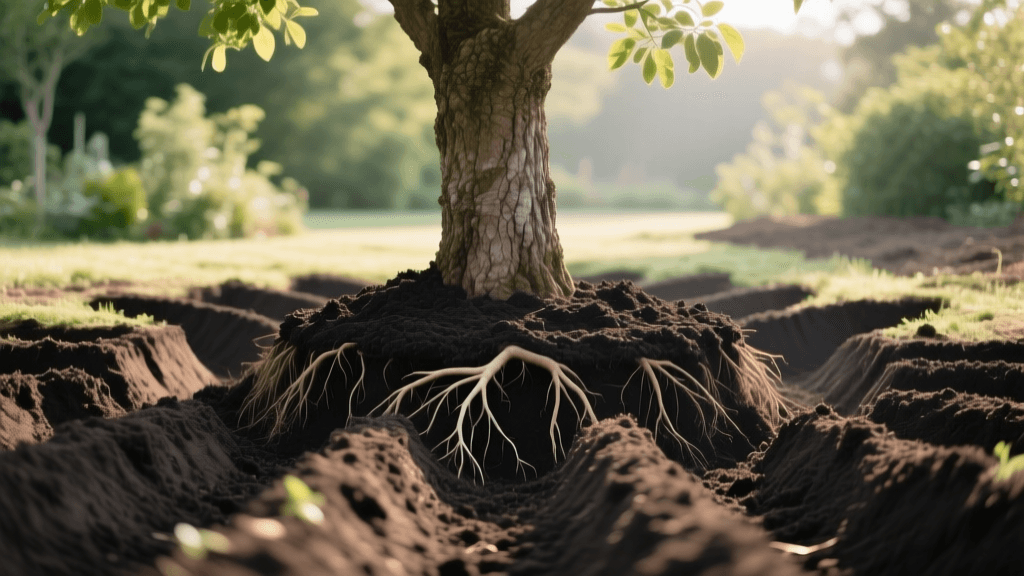
The most accessible method for introducing compost to a tree's root zone is surface application, often referred to as top-dressing or the "compost donut." This technique leverages the natural downward movement of water and the upward foraging of fine feeder roots. To execute this, begin by removing any turfgrass or weeds from the area extending from the trunk to the tree's drip line (the outer edge of the canopy). Apply a layer of high-quality, screened compost roughly half an inch to one inch thick across this entire zone. It is absolutely critical to keep the compost at least three to six inches away from the actual trunk of the tree. Piling organic matter against the bark, often called "volcano mulching," traps moisture against the root flare, inviting fungal pathogens, trunk rot, and secondary root growth that can eventually girdle and kill the tree. After applying the compost, cover it with two to three inches of coarse woody mulch, such as arborist wood chips, to retain moisture and moderate soil temperatures.
2. Vertical Mulching: Bypassing the Hardpan
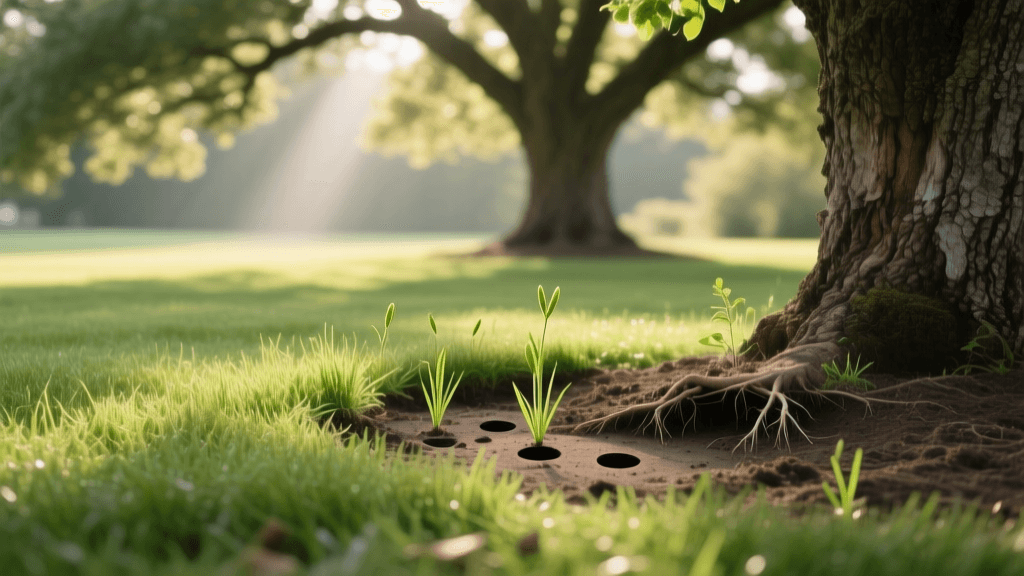
While surface application is excellent for mild compaction and routine maintenance, severely compacted soils—especially those with a dense clay hardpan—require a more aggressive approach. Vertical mulching is a proven arboricultural technique that physically bypasses the compacted surface layer to deliver oxygen, water, and organic matter directly to the deeper root zone. To perform vertical mulching, you will need a power auger with a two-inch to three-inch diameter bit. Starting about two feet away from the trunk, drill holes to a depth of 12 to 18 inches. Space these holes in a grid or radial pattern, approximately two to three feet apart, extending out to and slightly beyond the tree's drip line. Once the holes are drilled, fill them with a mixture of high-quality compost and coarse sand or expanded shale. This creates permanent, highly aerobic columns of rich organic matter. Tree roots will quickly colonize these compost-filled columns, using them as highways to expand through the otherwise impenetrable soil. The cost for this DIY project is relatively low, primarily involving the rental of a power auger (typically $50 to $80 per day) and the purchase of bulk compost.
3. Compost Tea Injections
For an immediate biological boost, many tree care professionals utilize compost tea or liquid compost extracts. Unlike traditional surface composting, which takes months to integrate into the soil profile, compost tea can be injected directly into the root zone using a soil probe or applied as a heavy drench. Compost tea is brewed by steeping high-quality vermicompost or thermophilic compost in aerated water, often with the addition of microbial food sources like kelp or humic acids. This process exponentially multiplies the beneficial aerobic microorganisms. When injected into compacted soils, these microbes immediately begin breaking down thatch, cycling nutrients, and producing the glues that bind soil particles into aggregates. While it does not physically break up hardpan like vertical mulching, compost tea is an exceptional complementary treatment that rapidly restores the biological health of a damaged soil ecosystem.
Comparison of Soil Amendment Techniques
| Technique | Best Use Case | Effort & Cost | Time to See Results |
|---|---|---|---|
| Surface Compost Donut | Mild compaction, routine annual maintenance | Low effort, low cost ($20-$40) | 3 to 6 months |
| Vertical Mulching | Severe compaction, heavy clay hardpans | High effort, moderate cost ($80-$150) | 1 to 3 months |
| Compost Tea Injection | Biological inoculation, quick microbial boost | Moderate effort, moderate cost ($50-$100) | 2 to 4 weeks |
Sourcing High-Quality Compost for Trees
Not all compost is created equal. In fact, using the wrong compost can actively harm your trees. When sourcing compost, always look for products certified by the US Composting Council's Seal of Testing Assurance (STA) program. This certification ensures the compost has been tested for heavy metals, pathogens, and stability. More importantly, urban and suburban gardeners must be highly vigilant about persistent herbicide contamination. Herbicides containing aminopyralid or clopyralid are commonly used on pastures and lawns to kill broadleaf weeds. These chemicals can survive the digestive tracts of livestock and the composting process, remaining active in the soil for years. If applied around trees, contaminated compost can cause severe leaf cupping, stunted growth, and even tree death. Always ask your compost supplier for a copy of their latest STA test results and explicitly ask if the feedstock is free from persistent herbicide residues. According to guidelines published by Clemson University Cooperative Extension, proper sourcing and application of organic amendments are vital to preventing long-term landscape damage.
Timing and Ongoing Maintenance
The timing of your compost application can significantly influence its effectiveness. The best times to apply compost and perform vertical mulching are in the early spring, just before the tree breaks dormancy, or in the early fall, after the summer heat has subsided but before the ground freezes. During these periods, soil temperatures are ideal for microbial activity, and the tree is actively growing new feeder roots. Following the initial application, monitor the soil moisture regularly. Compost acts like a sponge, but it still requires occasional deep watering during prolonged droughts to keep the microbial ecosystem alive. Reapply a thin layer of surface compost every two to three years to maintain the organic matter content of the soil, as microbes continuously consume and break down the organic material. As noted by Penn State Extension, maintaining a consistent layer of organic matter is one of the most effective ways to buffer soil temperatures and conserve moisture year-round.
Conclusion
Revitalizing compacted tree soil is not an overnight process, but it is one of the most impactful investments you can make in the longevity of your landscape. By utilizing surface composting, vertical mulching, and biological amendments, you can transform lifeless, compacted dirt into a thriving, aerated, and nutrient-rich soil food web. Healthy soil grows healthy trees, capable of weathering environmental stress, resisting pests, and providing shade and beauty for generations to come.