
Landscaping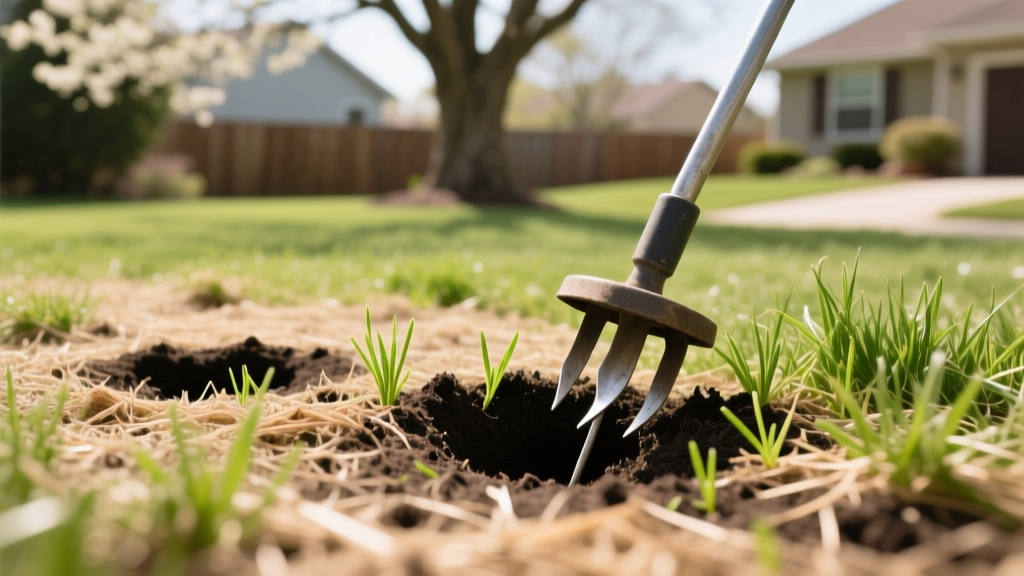
Revive Dead Grass: Core Aeration and Overseeding Recovery Guide
Anna KowalskiPublished
The Foundation of Landscape Design: Lawn Renovation and Recovery
When homeowners think of landscaping, they often envision installing new garden beds, building retaining walls, or designing intricate hardscaping patios. However, the foundational canvas of any successful landscape design is a healthy, vibrant lawn. A severely compacted, thatch-heavy, or dying lawn can ruin the curb appeal of even the most meticulously planned outdoor living spaces. If your turf is thinning, turning brown despite regular watering, or feeling hard underfoot, it is time for a comprehensive lawn renovation.
Lawn recovery is not just about throwing down a bag of grass seed and hoping for the best. True landscape restoration requires addressing the underlying soil biology and structure. In this guide, we will explore the highly effective combination of core aeration and overseeding to bring dead or struggling grass back to life, ensuring your lawn perfectly complements your broader landscaping efforts.
Diagnosing Your Lawn: Does It Need Renovation?
Before renting equipment and buying seed, you must confirm that soil compaction and thatch are the root causes of your lawn's decline. Perform these two simple diagnostic tests:
- The Screwdriver Test (Compaction): Take a standard 6-inch flathead screwdriver and attempt to push it into your lawn's soil. If you cannot easily push it in at least 3 to 4 inches, your soil is severely compacted. Roots cannot penetrate this hardpan layer, leading to shallow root systems and drought stress.
- The Plug Test (Thatch): Use a trowel to cut a small, deep wedge of turf out of the ground. Examine the cross-section. A layer of brown, spongy organic matter between the green grass blades and the dark topsoil is thatch. If this layer is thicker than 0.5 inches, it is blocking water, air, and nutrients from reaching the root zone.
The Science Behind Core Aeration and Overseeding
Core aeration involves using a specialized machine to extract small plugs of soil (typically 2 to 3 inches deep and 0.5 inches wide) from the lawn. According to the University of Minnesota Extension, core aeration is vastly superior to spike aeration because it physically removes soil mass, relieving compaction without further compressing the surrounding earth. The extracted plugs break down on the surface, introducing beneficial microbes back into the thatch layer to accelerate decomposition.
Overseeding is the process of planting new grass seed directly into existing turf without tearing up the soil. When combined with aeration, the seed falls into the aeration holes, creating perfect, protected micro-environments for germination. This introduces modern, disease-resistant, and drought-tolerant grass cultivars into an aging landscape, dramatically improving the overall density and color of the turf.
Step-by-Step Lawn Recovery Plan
Step 1: Mow Low and Dethatch
Begin your renovation by mowing the lawn shorter than usual, around 1.5 inches. Bag the clippings to expose the soil surface. If your thatch layer exceeds 0.5 inches, rent a power dethatcher (also known as a vertical mower) and run it over the lawn in a single direction. Rake up and remove the massive amount of dead organic debris that is pulled to the surface.
Step 2: Core Aeration
Rent a walk-behind core aerator (brands like Ryan Lawnaire or Billy Goat are industry standards). Ensure the soil is moist but not muddy; water the lawn deeply 24 hours before aerating if it is dry. Drive the aerator over the lawn in one direction, then make a second pass perpendicular to the first (creating a crisscross pattern). Aim for 20 to 40 holes per square foot. Pro Tip: Mark your sprinkler heads and shallow utility lines with flags before operating the machine to avoid costly landscape damage.
Step 3: Soil Amendment and Topdressing
With the soil exposed and riddled with holes, it is time to improve the soil structure. Apply a 1/4-inch layer of screened compost or a specialized topdressing mix across the entire lawn. Use a landscaping rake or a push broom to work the compost down into the aeration holes. This adds vital organic matter and improves moisture retention.
Step 4: Overseeding
Use a broadcast or drop spreader to apply high-quality grass seed. For severe lawn recovery, do not skimp on seed quality; look for mixes with zero weed seed and zero fill material. Apply the seed at the 'overseeding' rate recommended on the bag (typically 5 to 8 lbs per 1,000 square feet for cool-season grasses). The seed will naturally fall into the compost-filled aeration holes, ensuring excellent seed-to-soil contact.
Step 5: Starter Fertilizer and Watering
Apply a high-phosphorus starter fertilizer (such as an N-P-K ratio of 18-24-12) to promote rapid root development. Watering is the most critical phase of recovery. You must keep the top inch of soil consistently moist. This usually requires watering 2 to 3 times a day for 10 to 15 minutes per zone for the first two weeks. Once the seedlings reach 2 inches tall, transition to deeper, less frequent watering to encourage deep root growth.
Lawn Renovation Cost and Timeline Breakdown
Budgeting and scheduling are vital components of any landscaping project. Below is a structured breakdown of what to expect when renovating a 5,000-square-foot lawn.
| Renovation Phase | Estimated Cost (per 1,000 sq ft) | Time Required | Best Season for Execution |
|---|---|---|---|
| Equipment Rental (Aerator/Dethatcher) | $15.00 - $25.00 | 4 - 6 Hours | Early Fall or Early Spring |
| Premium Grass Seed | $8.00 - $15.00 | 1 Hour | Early Fall or Early Spring |
| Screened Compost / Topdressing | $20.00 - $35.00 | 3 - 5 Hours | Anytime during growing season |
| Starter Fertilizer | $4.00 - $8.00 | 30 Minutes | Day of Overseeding |
| Total Estimated Material & Rental Cost | $47.00 - $83.00 | 1 to 2 Weekends | Early Fall (Ideal) |
Choosing the Right Grass Seed for Recovery
Selecting the correct seed is paramount for long-term landscape sustainability. Your choice should be dictated by your climate zone and the specific microclimates within your yard (e.g., shade from pergolas or sun exposure near hardscapes).
- Cool-Season Grasses (Northern Climates): Tall Fescue is highly recommended for renovation due to its deep root system and drought tolerance. Kentucky Bluegrass offers a beautiful, dark green aesthetic and spreads via rhizomes to fill in bare spots, but it requires more water. Perennial Ryegrass germinates rapidly, making it an excellent nurse grass in a mix to stabilize soil while slower grasses establish.
- Warm-Season Grasses (Southern Climates): Bermuda grass and Zoysia are aggressive spreaders that recover well from aeration. However, warm-season lawns are often renovated via sod or sprigs rather than seed, though seeded Bermuda varieties are available for large-scale recovery projects.
Common Landscaping Mistakes to Avoid During Recovery
Even experienced DIY landscapers can derail a lawn renovation project by falling victim to common pitfalls:
- Using a Spike Aerator: Spike aerators simply punch holes into the ground, which actually increases compaction along the sides of the holes. Always use a core aerator that removes physical soil plugs.
- Applying Weed and Feed: Pre-emergent herbicides (often found in 'Weed and Feed' products) will prevent your new grass seed from germinating. Never apply pre-emergents within 6 to 8 weeks of overseeding.
- Overwatering to the Point of Runoff: While the seed must stay moist, creating puddles will wash the seed away or drown the delicate new roots, inviting fungal diseases like Pythium blight.
Long-Term Landscape Integration and Sustainability
A recovered lawn does more than just look beautiful; it plays a critical role in the environmental health of your property. The Environmental Protection Agency (EPA) notes that maintaining a healthy, thick lawn through proper cultural practices like aeration naturally crowds out weeds and reduces the need for chemical pesticides and herbicides. Furthermore, a dense turf acts as a natural filter, trapping dust and absorbing runoff from nearby hardscaping surfaces like driveways and patios, preventing soil erosion and protecting local waterways.
As your newly overseeded lawn thickens, it will provide a lush, green contrast to your garden beds, making the colors of your perennials and the textures of your ornamental grasses pop. By investing the time and effort into core aeration and overseeding, you are not just fixing dead grass—you are restoring the ecological balance and aesthetic harmony of your entire landscape.
Conclusion
Lawn renovation is a highly rewarding landscaping project that yields dramatic results. By diagnosing compaction, executing a precise core aeration, and overseeding with premium cultivars, you can transform a tired, dying yard into a resilient, vibrant outdoor space. Stick to the timeline, manage your watering diligently, and watch as your landscape's foundation is completely reborn.

