Home & Garden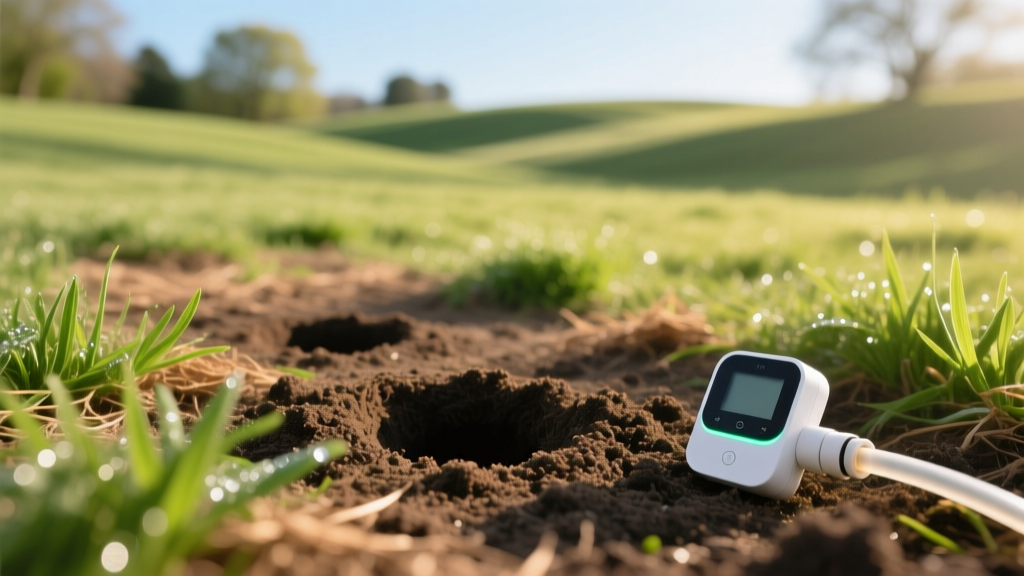
Revive Drought-Damaged Lawns Using Smart Irrigation Tech
Emily WatsonPublished
Assessing the Damage: Is Your Lawn Dormant or Dead?
When prolonged heat and water restrictions take their toll, your once-lush landscape can quickly turn into a patchwork of brittle, brown grass. Before investing time and money into lawn renovation, it is crucial to determine whether your turf is merely dormant or completely dead. Cool-season grasses like Kentucky bluegrass and perennial ryegrass naturally enter dormancy during severe drought to protect their crowns, while warm-season grasses like Bermudagrass can survive months without water.
To perform the tug test, grab a handful of brown grass and pull gently. If the grass pulls up easily with no resistance, the roots have perished, and the turf is dead. If it resists and holds firmly to the soil, the root system is likely still alive and dormant. Next, inspect the crown (the base of the grass blade where it meets the soil). A healthy, dormant crown will feel firm and appear white or pale green inside. If the crown is mushy, brown, or completely desiccated, that section of the lawn will require complete renovation and overseeding.
The Foundation: Core Aeration and Soil Amendments
Drought-stressed lawns often suffer from severely compacted soil, which prevents whatever moisture is available from penetrating the root zone. Core aeration is the process of removing small plugs of soil (typically 2 to 3 inches deep) to alleviate compaction, improve gas exchange, and create channels for water and nutrients. For best results, rent a heavy-duty core aerator or hire a professional lawn care service, which typically costs between $75 and $150 for an average-sized yard.
Immediately following aeration, applying eco-friendly soil amendments can dramatically accelerate recovery by improving the soil's water-holding capacity. The USDA Natural Resources Conservation Service (NRCS) emphasizes that maximizing organic matter and keeping the soil covered are foundational principles of soil health management.
Comparison of Eco-Friendly Soil Amendments
| Amendment | Primary Benefit | Application Rate | Estimated Cost (per 1,000 sq ft) |
|---|---|---|---|
| Screened Compost | Increases microbial activity and moisture retention | 1/4 to 1/2 inch topdressing | $25 - $40 |
| Biochar | Acts as a permanent sponge for water and nutrients | 5% by volume mixed into topsoil | $30 - $50 |
| Liquid Humic Acid | Stimulates root growth and chelates soil nutrients | 2 oz per gallon of water (spray) | $10 - $15 |
| Yucca Extract | Acts as a natural wetting agent to break surface tension | 1 oz per gallon of water (spray) | $5 - $10 |
Overseeding for Climate Resilience
If your tug test revealed dead patches, overseeding is mandatory. When renovating a drought-damaged lawn, it is an excellent opportunity to transition to more climate-resilient, water-efficient grass varieties. Turf-type tall fescue (TTTF) is highly recommended for transitional and cool-season zones due to its deep root system, which can reach up to 3 feet in well-prepared soil. For warm-season zones, consider drought-tolerant cultivars of Zoysia or Bermudagrass.
According to turfgrass experts at the University of Minnesota Extension, proper seed-to-soil contact is the most critical factor in successful overseeding. After aerating and topdressing with compost, use a broadcast spreader to apply seed at a rate of 5 to 8 pounds per 1,000 square feet for tall fescue. Rake the area lightly with a leaf rake to ensure the seed settles into the aeration holes, and apply a starter fertilizer high in phosphorus (e.g., 10-18-10) to promote rapid root establishment.
Smart Irrigation: The Tech Behind Efficient Recovery
Watering a recovering lawn requires precision. Overwatering can lead to shallow roots and fungal diseases, while underwatering will kill fragile new seedlings. This is where smart home integration transforms lawn care. Upgrading to a smart irrigation controller replaces outdated timer-based watering with data-driven precision.
Smart controllers utilize local weather data, evapotranspiration (ET) rates, and soil type parameters to adjust watering schedules automatically. According to the Environmental Protection Agency (EPA), WaterSense labeled smart irrigation controllers can save the average home nearly 7,600 gallons of water annually while keeping landscapes healthier. Leading models like the Rachio 3 or Hunter Hydrawise connect to your home Wi-Fi and integrate with hyper-local weather stations to skip watering before rain events and increase runtime during heatwaves.
For the ultimate recovery setup, pair your smart controller with wireless soil moisture sensors. These probes are buried in the root zone (about 4 inches deep) and communicate directly with the controller, ensuring the system only waters when the volumetric water content drops below a specific threshold. This prevents the costly mistake of watering based on a schedule rather than actual soil conditions.
Mowing and Maintenance During Recovery
How you mow during the recovery phase is just as important as how you water. Never scalp a recovering lawn. Adhere strictly to the one-third rule: never remove more than one-third of the grass blade in a single mowing session. For tall fescue, maintain a mowing height of 3.5 to 4 inches. Taller grass shades the soil, drastically reducing evaporation and keeping the root zone cooler. Always use a mulching mower to return nutrient-rich clippings to the soil, which act as a natural, slow-release fertilizer and an additional layer of moisture-retaining mulch.
Your 6-Week Lawn Recovery Action Plan
Follow this structured timeline to bring your lawn back from the brink of destruction:
- Week 1: Assessment and Aeration. Perform the tug test. Mow the existing lawn slightly lower than normal to expose the soil. Rent a core aerator and make two passes over the lawn in perpendicular directions.
- Week 2: Amendment and Overseeding. Topdress with 1/4 inch of screened compost. Spread your drought-tolerant seed and apply a starter fertilizer. Water lightly 2 to 3 times a day for 10 minutes to keep the top inch of soil constantly moist.
- Week 3: Germination and Smart Tech Setup. Install your smart irrigation controller and soil moisture sensors. As seeds germinate, reduce watering frequency to once daily, but increase the duration to encourage deeper root growth.
- Week 4: First Mow and Weed Control. Once the new grass reaches 4.5 inches, mow it down to 3.5 inches using a sharp mulching blade. Avoid chemical herbicides during this fragile stage; pull any competing weeds by hand.
- Week 5: Deep Watering Transition. Program your smart controller to water deeply and infrequently (e.g., 1 inch of water split across two mornings per week). This forces the new roots to chase the moisture deeper into the soil profile.
- Week 6: Evaluation and Maintenance. Assess the thickness of the turf. Apply a slow-release, organic nitrogen fertilizer to sustain the deep green color and prepare the lawn for the upcoming seasonal temperature shifts.
By combining traditional soil science with modern smart home irrigation technology, you can transform a brittle, drought-damaged yard into a resilient, water-efficient outdoor living space that thrives for years to come.
