Gardening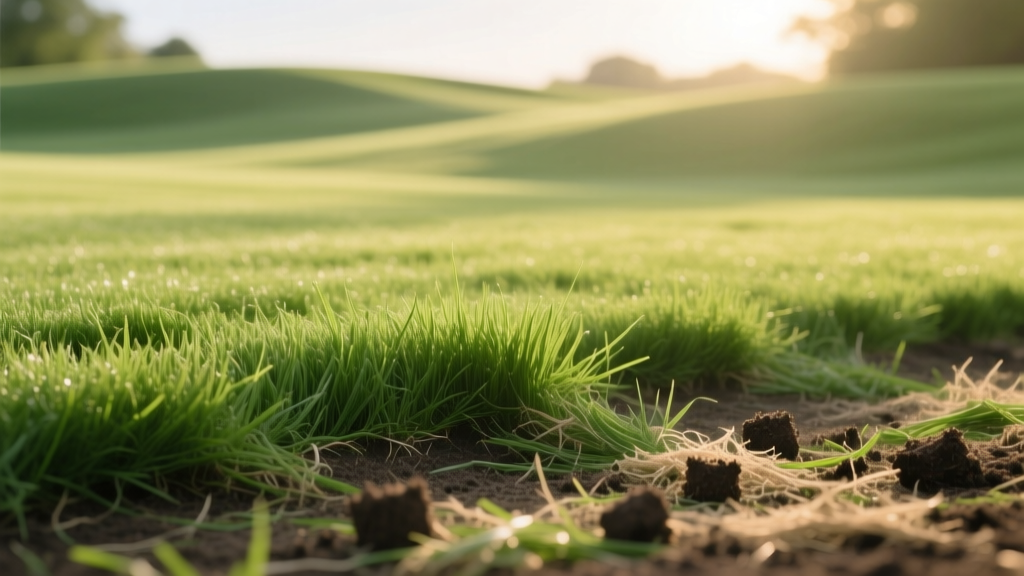
Revive Your Lawn: Aeration, Dethatching, and Overseeding Guide
Lisa ThompsonPublished
The 50 Percent Rule: Assessing Your Lawn for Renovation
Every homeowner dreams of a lush, carpet-like lawn, but years of foot traffic, extreme weather, and neglect can leave your turf thin, patchy, and overrun with weeds. Before you decide to completely tear out your existing grass and start from scratch, consider the 50 Percent Rule. According to turfgrass experts, if your lawn consists of at least 50 percent healthy, desirable grass, a full-scale renovation using dethatching, core aeration, and overseeding is far more cost-effective and environmentally friendly than total replacement. Lawn renovation breathes new life into tired soil, introduces modern, disease-resistant grass cultivars, and restores the dense canopy needed to naturally choke out weeds.
However, successful lawn recovery requires precise timing. For cool-season grasses like Kentucky Bluegrass, Tall Fescue, and Perennial Ryegrass, early fall (late August to mid-September) is the ideal window. The soil is still warm enough to encourage rapid seed germination, while the cooler air temperatures reduce heat stress on young seedlings. For warm-season grasses like Bermuda or Zoysia, late spring to early summer is the optimal time for renovation. This comprehensive guide will walk you through the exact steps, measurements, and product requirements to transform a damaged lawn into a thriving landscape.
Step 1: Soil Testing and Preparation
Before you rent heavy equipment or purchase expensive grass seed, you must understand the chemical foundation of your lawn. Grass struggles to absorb nutrients if the soil pH is unbalanced. Most turfgrasses thrive in a slightly acidic to neutral pH range of 6.0 to 7.0. Purchase a mail-in soil test kit from a local university extension office or a reputable garden center. The results will dictate whether you need to apply pelletized lime to raise the pH or elemental sulfur to lower it.
Additionally, the soil test will reveal your baseline N-P-K (Nitrogen, Phosphorus, Potassium) levels. During the renovation process, phosphorus is critical because it drives root development in new seedlings. If your soil test indicates a phosphorus deficiency, you will need a specialized starter fertilizer, as many states restrict the use of phosphorus in standard lawn fertilizers unless a soil test proves it is necessary for establishment. The University of Minnesota Extension highly recommends soil testing as the mandatory first step in any lawn recovery project to prevent fertilizer waste and environmental runoff.
Step 2: Dethatching to Remove the Barrier
Thatch is a tightly woven layer of living and dead grass stems, roots, and debris that accumulates between the soil surface and the green grass blades. While a thin layer of thatch (less than half an inch) provides insulation and moisture retention, a thick thatch layer acts like a waterproof barrier. It prevents water, oxygen, and nutrients from reaching the root zone, and it creates a shallow environment where grass roots grow into the thatch rather than the soil, making them highly susceptible to drought and winter kill.
To check your thatch level, use a trowel to cut a small, wedge-shaped core out of your lawn. Measure the brown, spongy layer above the soil. If it exceeds 0.5 inches, dethatching is required. For small lawns, a manual thatching rake with sharp, curved tines will suffice. For larger properties, rent a power dethatcher (also known as a vertical mower) from a local equipment rental center. Set the blades to cut about a quarter-inch into the soil surface. Run the machine over the lawn in two perpendicular directions to ensure maximum extraction. Rake up and remove the massive amount of dead organic matter that is pulled to the surface. This debris can be added to your compost pile, provided it is free of weeds and chemical herbicides.
Step 3: Core Aeration for Deep Root Growth
Soil compaction is the silent killer of suburban lawns. Heavy clay soils, combined with regular mowing and foot traffic, compress the soil particles, squeezing out the microscopic air pockets that roots need to survive. Core aeration is the mechanical process of removing small plugs of soil and thatch from the lawn to alleviate this compaction. Unlike spike aeration, which simply punches holes and can actually worsen compaction by pressing soil outward, core aeration physically removes the mass, allowing the surrounding soil to expand and breathe.
Rent a walk-behind core aerator and ensure the tines are set to pull plugs that are 2 to 3 inches deep and spaced 2 to 4 inches apart. For heavily compacted areas, make two passes in different directions. Leave the extracted soil plugs on the lawn; they will break down naturally over the next few weeks, depositing beneficial soil microbes back into the thatch layer to accelerate decomposition. The Environmental Protection Agency (EPA) notes that proper aeration reduces the need for chemical interventions by promoting a naturally robust root system that outcompetes weeds and resists pests.
| Aeration Method | How It Works | Pros | Cons |
|---|---|---|---|
| Core Aeration | Removes 2 to 3 inch soil plugs from the ground | Relieves deep compaction, improves air and water flow | Labor intensive, leaves soil plugs on the lawn |
| Spike Aeration | Pokes holes into the soil using solid tines | Quick process, no cleanup required | Can worsen compaction by pressing soil outward |
| Liquid Aeration | Applies surfactants to loosen soil structure | Easy hose-end application, covers large areas fast | Less effective on heavily compacted clay soils |
According to the Rutgers Turfgrass Program, core aeration combined with fall overseeding is the most effective cultural practice for recovering cool-season lawns from summer stress and compaction, as the aeration holes provide perfect micro-environments for seed-to-soil contact.
Step 4: Overseeding for Thick, Lush Turf
Overseeding is the process of planting new grass seed directly into existing turf without tearing up the soil. The aeration holes and dethatched surface provide the perfect seedbed, protecting the seeds from birds and wind while ensuring direct contact with the soil. When selecting seed, avoid cheap, generic mixes that contain high percentages of annual ryegrass or weed seeds. Invest in premium, certified seed blends tailored to your specific light conditions and climate.
- Kentucky Bluegrass: Excellent for full sun and high traffic. Overseeding rate: 2 to 3 lbs per 1,000 square feet.
- Tall Fescue: Deep-rooted, drought-tolerant, and great for transition zones. Overseeding rate: 6 to 8 lbs per 1,000 square feet.
- Fine Fescue: Ideal for shady areas where other grasses fail. Overseeding rate: 4 to 5 lbs per 1,000 square feet.
Use a broadcast spreader to apply the seed evenly, splitting the total amount in half and walking in perpendicular directions to avoid streaking. After seeding, drag a piece of chain-link fence or a stiff push broom over the lawn to work the seeds down into the aeration holes.
Step 5: Starter Fertilizer and Topdressing
Immediately after overseeding, apply a high-quality starter fertilizer. Look for an N-P-K ratio where the middle number (Phosphorus) is prominent, such as 10-18-10 or 12-24-12. Phosphorus is essential for the rapid establishment of the embryonic root system. Apply the fertilizer at the rate specified on the bag, typically around 3 to 4 lbs per 1,000 square feet.
For an extra layer of protection and moisture retention, consider topdressing the lawn with a thin layer of compost or a specialized peat moss product. Apply no more than a quarter-inch of compost across the surface. This layer acts as a mulch, keeping the delicate seeds moist during the critical germination phase while providing a slow release of organic nutrients. Be careful not to apply the topdressing too thickly, as smothering the existing grass blades will block sunlight and kill the mature turf you are trying to save.
Step 6: Post-Renovation Watering and Mowing Schedule
Watering is the single most critical factor in the success or failure of your lawn renovation. Grass seed must remain consistently moist until it germinates and establishes a root system. If the seed dries out even once during the first two weeks, the embryo will die, and your investment will be lost.
- Weeks 1 and 2 (Germination): Water lightly 2 to 3 times per day for about 5 to 10 minutes per zone. The goal is to keep the top inch of soil damp, not soggy. Adjust based on rainfall and evaporation rates.
- Weeks 3 and 4 (Establishment): As seedlings emerge and grow to about an inch tall, reduce the frequency to once a day, but increase the duration to 15 to 20 minutes. This encourages the new roots to grow deeper into the soil profile.
- Weeks 5 and Beyond (Maturation): Transition to a standard deep-watering schedule of 1 to 1.5 inches of water per week, applied in one or two heavy sessions to promote drought tolerance.
Delay mowing until the new grass reaches a height of 3.5 to 4 inches. When you do mow, ensure your mower blade is razor-sharp to prevent tearing the tender young grass blades. Set the deck to cut no lower than 2.5 to 3 inches. Taller grass shades the soil, retains moisture, and prevents weed seeds from receiving the sunlight they need to germinate. Avoid using any broadleaf weed killers or pre-emergent crabgrass preventers for at least 60 days after overseeding, as these chemicals cannot distinguish between weed seeds and your expensive new grass seed.
Long-Term Lawn Recovery and Maintenance
Lawn renovation is a powerful reset button, but it is not a permanent cure for poor maintenance habits. To protect your investment and keep your lawn thick and resilient, adopt a proactive annual maintenance schedule. Plan to core aerate and overseed your cool-season lawn every fall, even if the lawn looks relatively healthy. This practice continuously introduces fresh, vigorous grass plants to replace the older ones that naturally die off over time. By combining proper soil chemistry, mechanical aeration, and consistent moisture management, you will cultivate a dense, vibrant lawn that naturally resists weeds, diseases, and environmental stress for years to come.
