Gardening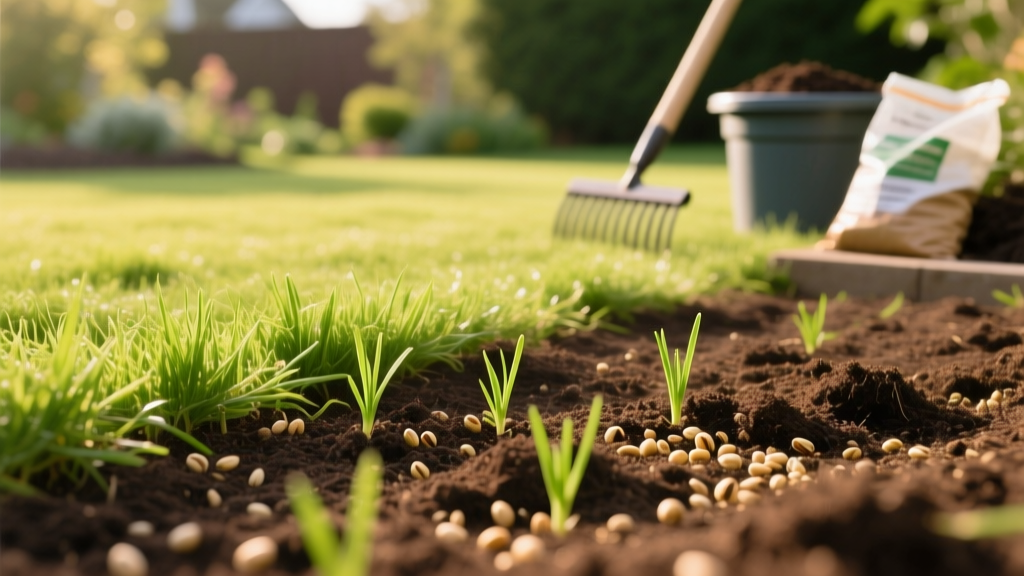
Revive Dead Grass: Compost Topdressing and Overseeding Guide
Lisa ThompsonPublished
Introduction: Treating Your Lawn as a Living Garden Ecosystem
Homeowners often treat their lawns as static, synthetic carpets rather than dynamic, living garden ecosystems. When turfgrass suffers from severe heat stress, soil compaction, fungal diseases, or heavy foot traffic, the instinct is often to reach for quick-fix synthetic fertilizers or chemical interventions. However, as any seasoned gardener knows, true plant health begins beneath the surface. Lawn renovation and recovery require the same foundational gardening principles used in vegetable and flower beds: meticulous soil preparation, the introduction of organic matter, and strategic planting.
Reviving a dead or severely thinning lawn is entirely possible without tearing up the entire yard and starting from scratch. By combining core aeration, compost topdressing, and strategic overseeding, you can rebuild the soil microbiome and cultivate a thick, resilient turf. This comprehensive guide bridges the gap between traditional lawn care and advanced gardening techniques, providing you with actionable steps to renovate your landscape from the ground up.
Assessing Soil Compaction and Thatch Buildup
Before introducing new seed or organic amendments, you must diagnose the underlying barriers to turfgrass recovery. The most common culprit in failing lawns is soil compaction. Over time, rain, irrigation, and foot traffic compress the soil particles, eliminating the pore spaces necessary for oxygen, water, and root penetration. A secondary issue is thatch—a dense layer of dead and living shoots, stems, and roots that accumulates between the soil surface and the green vegetation.
To test for compaction, perform the screwdriver test: push a standard six-inch screwdriver into the soil. If you cannot easily push it in to the handle, your soil is heavily compacted. According to turfgrass experts at the University of Minnesota Extension, relieving this compaction through physical disruption is a mandatory first step in any lawn recovery project, as water and nutrients simply cannot reach the root zone in hardened soil.
The Science of Compost Topdressing for Lawn Recovery
In the gardening world, compost is revered as black gold, yet it remains underutilized in lawn care. Compost topdressing involves spreading a thin layer of organic matter over the turf. This practice does far more than just add nutrients; it fundamentally alters the soil architecture. The United States Environmental Protection Agency (EPA) highlights that compost enriches soils by improving their structure, reducing the need for chemical fertilizers, and promoting a healthy microbial ecosystem that suppresses soil-borne plant diseases.
When applied to a lawn, compost acts as a slow-release fertilizer, a moisture-retention sponge, and a biological inoculant. The beneficial bacteria and fungi introduced through high-quality compost break down existing thatch, convert locked-up soil nutrients into bioavailable forms, and create a welcoming seedbed for new grass varieties.
Selecting the Right Compost for Turfgrass
Not all compost is created equal. For lawn topdressing, you must use finely screened compost with a particle size no larger than 1/4 inch. Avoid composts that are heavy in un-decomposed wood chips or bark, as these materials have a high carbon-to-nitrogen ratio and will tie up soil nitrogen as they continue to break down, starving your recovering grass. Look for OMRI-listed (Organic Materials Review Institute) compost or a premium blend of leaf mold and aged manure that has been properly hot-composted to eliminate weed seeds and pathogens.
Step-by-Step Lawn Renovation and Recovery Plan
Timing is critical for lawn renovation. The optimal window for cool-season grasses (like fescue and Kentucky bluegrass) is early fall, when soil temperatures are still warm enough to encourage germination, but air temperatures are cooling, reducing heat stress and weed competition. For warm-season grasses (like Bermuda and Zoysia), late spring to early summer is the ideal recovery period.
Step 1: Core Aeration and Dethatching
Rent a gas-powered core aerator from a local hardware store. Avoid spike aerators, which merely punch holes and can worsen compaction by compressing the soil laterally. Run the core aerator over the lawn in two perpendicular directions to ensure maximum soil disruption. Leave the extracted soil plugs on the lawn; they will break down naturally over the next few weeks and help inoculate the surface with beneficial microbes. If your thatch layer exceeds half an inch, rent a power dethatcher and run it over the lawn prior to aeration, raking away the debris.
Step 2: Applying the Compost Topdressing
Calculate the volume of compost needed. For a standard application of 1/4 inch deep, you will need approximately 0.75 cubic yards of compost per 1,000 square feet of lawn. Distribute the compost evenly across the lawn using a flat-backed landscaping rake or a specialized topdressing spreader. The goal is to fill the aeration holes with compost and create a thin, even blanket over the existing grass. Ensure the grass blades are not entirely buried; they need sunlight to continue photosynthesizing while the new seed germinates.
Step 3: Overseeding with Resilient Varieties
Once the compost is in place, immediately broadcast your grass seed. Use a high-quality, weed-free seed mix suited to your specific climate zone and sun exposure. For high-traffic recovery areas, look for turf-type tall fescues, which boast deep root systems and excellent drought tolerance. Apply seed at a rate of 5 to 8 pounds per 1,000 square feet for overseeding. Lightly rake the seed into the top layer of compost to ensure seed-to-soil contact, which is vital for moisture absorption and germination.
Botanical Alternatives: Integrating Micro-Clover and Deep-Rooted Fescues
From a holistic gardening perspective, a monoculture of traditional turfgrass is highly susceptible to environmental stress. Modern lawn renovation increasingly incorporates companion planting techniques borrowed from the vegetable garden. Integrating micro-clover (Trifolium repens var. Pipolina) into your overseeding mix is a highly effective recovery strategy. Micro-clover is a legume that fixes atmospheric nitrogen, naturally fertilizing the surrounding grass and reducing the need for external inputs. It stays low to the ground, tolerates mowing, and remains green during summer droughts when traditional grasses go dormant.
Additionally, blending in deep-rooted native fescues or fine fescues can dramatically improve the lawn's ability to mine water and nutrients from deep within the subsoil. This botanical diversity creates a resilient, polyculture lawn that mimics natural ecosystems, making it far more resistant to pests, diseases, and climate fluctuations.
Lawn Renovation Timeline and Seasonal Maintenance
Recovery is not an overnight process. It requires a structured approach to watering, mowing, and ongoing soil management. Below is a recommended timeline for post-renovation care.
| Timeframe | Action Required | Purpose and Expected Outcome |
|---|---|---|
| Days 1-14 | Light, frequent watering (2-3 times daily) | Keeps the compost and seed consistently moist to trigger and sustain germination. |
| Days 15-30 | Reduce watering frequency, increase depth | Encourages new seedlings to push roots deep into the compost-filled aeration holes. |
| Day 30+ | First mowing (set blade to 3 inches minimum) | Tall mowing shades the soil, retains moisture, and outcompetes emerging weed seeds. |
| Months 2-6 | Apply organic liquid kelp or compost tea | Provides micronutrients and stimulates microbial activity without burning young grass. |
| Month 12 | Repeat core aeration and light topdressing | Maintains soil structure and continues the long-term process of building topsoil. |
Cost Breakdown for DIY Lawn Renovation
Investing in soil health yields long-term dividends by reducing water usage and chemical dependencies. Below is an estimated cost breakdown for renovating a 2,000-square-foot lawn using the compost topdressing and overseeding method.
| Material / Equipment | Quantity Needed | Estimated Cost (USD) |
|---|---|---|
| Core Aerator Rental (Half Day) | 1 Rental | $65 - $90 |
| Screened Organic Compost | 1.5 Cubic Yards | $60 - $100 |
| Premium Turf-Type Tall Fescue Seed | 15 lbs | $70 - $95 |
| Starter Fertilizer (Organic/Bone Meal) | 1 Bag (covers 2k sq ft) | $25 - $40 |
| Total Estimated DIY Cost | $220 - $325 |
Long-Term Soil Health and Garden Integration
Ultimately, lawn renovation is an exercise in ecological restoration. By treating your turf with the same care and soil-building techniques used in your vegetable and flower gardens, you create a cohesive, thriving landscape. The Royal Horticultural Society (RHS) emphasizes that regular aeration and the addition of organic matter are the cornerstones of sustainable lawn management, drastically improving drainage and drought resilience.
As your compost topdressing integrates into the soil profile over the coming months, you will notice a profound shift in the vitality of your lawn. The grass will develop a deeper, more robust root system, the soil will become darker and more friable, and the turf will naturally resist the pressures of heat and drought. By embracing these gardening-centric renovation techniques, you are not just growing grass; you are cultivating a vibrant, living foundation for your entire outdoor space.
