Gardening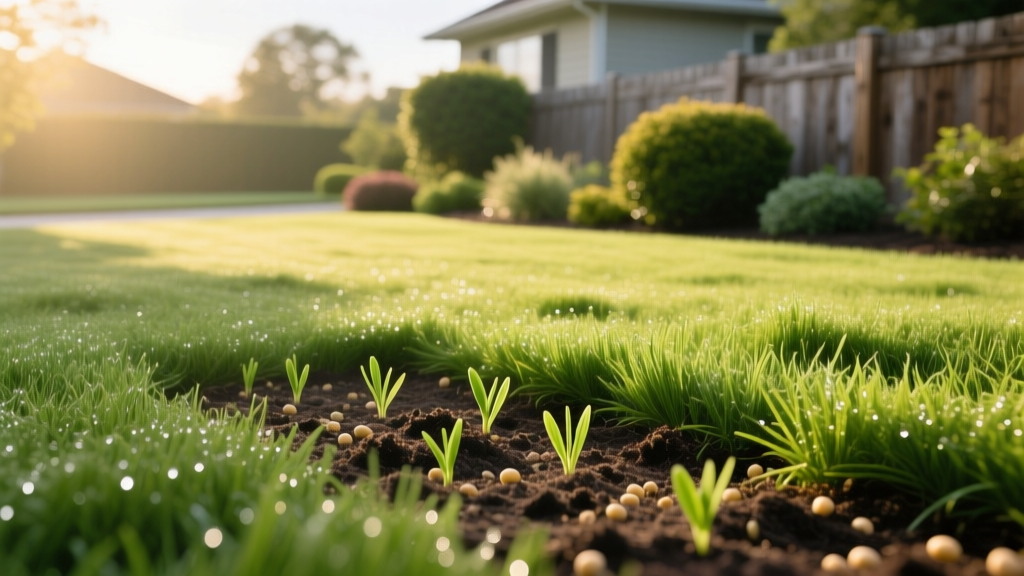
Revive Your Lawn: Aeration and Overseeding Recovery Guide
Mike RodriguezPublished
Assessing Lawn Damage and Soil Health
A lush, vibrant lawn is the cornerstone of any well-designed garden landscape. However, years of foot traffic, environmental stress, and improper maintenance can leave your turf thin, patchy, and overrun with weeds. Lawn renovation and recovery is not merely about tossing a handful of grass seed over brown patches; it is a systematic horticultural process that requires soil preparation, strategic timing, and precise aftercare. Whether you are integrating a new garden bed or simply restoring the green canvas that frames your flower borders, mastering lawn recovery is essential for any home gardener.
Before purchasing a single bag of seed, you must understand the foundation of your landscape: the soil. Grass thrives in soil with a pH between 6.0 and 7.0. If your soil is too acidic or alkaline, nutrients become locked up and unavailable to the grassroots. Purchase a comprehensive soil test kit from your local university extension office, typically costing between $15 and $30. The results will provide exact measurements for lime (to raise pH) or elemental sulfur (to lower pH) applications. According to turfgrass researchers, amending the soil based on a laboratory analysis is the single most cost-effective step in lawn renovation. Skipping this step often leads to wasted seed and fertilizer, as the chemical imbalance will prevent new grass from establishing a robust root system.
Core Aeration: Breaking Up Compaction
Soil compaction is the silent killer of turfgrass. Over time, rain, irrigation, and foot traffic compress the soil particles, squeezing out the oxygen and water necessary for root expansion. To combat this, core aeration is mandatory. Unlike spike aerators, which simply punch holes and can worsen compaction along the hole walls, a core aerator physically extracts 2-to-3-inch plugs of soil from the ground. The University of Minnesota Extension highly recommends core aeration to alleviate compaction and improve water infiltration.
Renting a walk-behind core aerator from a local equipment rental center typically costs between $80 and $100 for a half-day. For best results, run the aerator over your lawn in two perpendicular directions to ensure maximum soil disruption. Leave the extracted soil plugs on the lawn; they will break down over the next few weeks, returning valuable microbes and organic matter to the surface.
Soil Amendment and Topdressing
Once the lawn is aerated, it is time to topdress and overseed. Topdressing involves spreading a thin layer (about 1/4 inch) of finely screened compost or a specialized topsoil-compost blend across the turf. This organic matter fills the aeration holes, creating perfect micro-environments for seed germination. A cubic yard of premium screened compost costs around $30 to $50 and will cover approximately 1,000 square feet at a 1/4-inch depth. Rake the compost lightly to ensure it settles into the aeration cores and creates a level surface for the incoming seed.
Selecting the Right Seed and Overseeding
When selecting grass seed, always choose a high-quality mix with zero weed seed content and less than 0.1% inert matter. Avoid cheap 'contractor' mixes that rely heavily on annual ryegrass as a filler. For cool-season lawns, a blend of Kentucky Bluegrass, Perennial Ryegrass, and Fine Fescue offers excellent disease resistance and drought tolerance. For warm-season zones, consider vegetative plugs or sprigs of Bermuda or Zoysia grass, though seed blends of improved Bermuda varieties are also available.
Penn State Extension emphasizes that achieving direct seed-to-soil contact is the most critical factor for successful germination. Use a broadcast spreader to apply the seed at the exact rate specified on the label, and then lightly drag a piece of chain-link fence or a stiff garden rake over the area to work the seed into the compost-filled aeration holes.
Post-Renovation Watering and Maintenance Schedule
Proper hydration is the linchpin of lawn recovery. Newly sown grass seed must never be allowed to dry out, nor should it sit in standing water. For the first 14 to 21 days, set your irrigation system to water the lawn lightly two to three times a day. The goal is to keep the top inch of soil consistently moist. As the seedlings emerge and reach a height of one inch, gradually reduce the frequency of watering while increasing the duration. This encourages the young roots to chase the moisture deeper into the soil profile.
To conserve water and align with sustainable gardening practices, the EPA WaterSense program advises watering in the early morning hours to minimize evaporation and reduce the risk of fungal diseases. Once the new grass reaches about 3.5 inches, it is ready for its first mowing. Ensure your mower blades are razor-sharp to avoid tearing the tender new blades, and never remove more than the top third of the grass blade in a single pass.
Lawn Renovation Timing and Seeding Rates
| Grass Type | Climate Zone | Best Renovation Season | Seeding Rate (per 1,000 sq ft) | Germination Time |
|---|---|---|---|---|
| Kentucky Bluegrass | Cool-Season | Early Fall | 2 - 3 lbs | 14 - 30 days |
| Tall Fescue | Transition/Cool | Early Fall | 6 - 8 lbs | 7 - 14 days |
| Perennial Ryegrass | Cool-Season | Early Fall/Spring | 4 - 6 lbs | 5 - 10 days |
| Bermudagrass | Warm-Season | Late Spring/Early Summer | 1 - 2 lbs | 10 - 14 days |
| Zoysiagrass | Warm-Season | Late Spring | Plugs/Sprigs preferred | 14 - 21 days (seed) |
Conclusion: Long-Term Lawn Health
Incorporating these lawn renovation techniques not only revitalizes your turf but also creates a healthier ecosystem within your garden. A dense, vigorously growing lawn naturally outcompetes weeds, reduces soil erosion, and provides a beautiful, uniform backdrop that makes your flower beds, vegetable patches, and ornamental shrubs truly pop. While the physical labor of aeration and the patience required for germination can be demanding, the long-term rewards of a resilient, deep-rooted lawn are well worth the investment. Remember to maintain your recovered lawn with regular, deep waterings and annual applications of organic fertilizers to ensure it remains a vibrant, enduring component of your home landscape for years to come.
