Home & Garden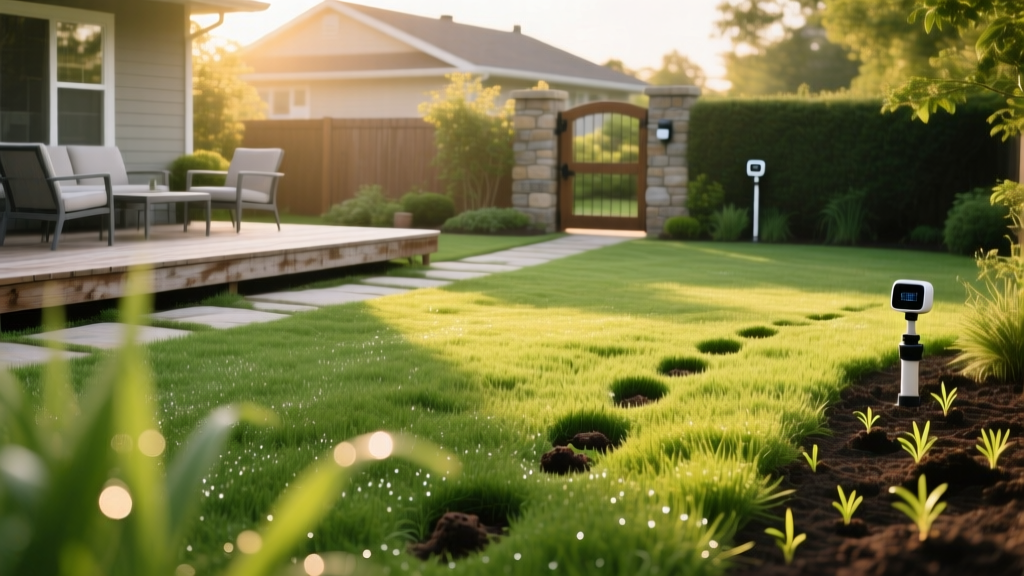
Revive Summer Lawns: Overseeding and Smart Irrigation Guide
David ParkPublished
The Hidden Cost of Outdoor Entertaining: Soil Compaction
When we think of our outdoor living spaces, we often focus on the aesthetics of patio furniture, the functionality of an outdoor kitchen, or the ambiance of smart landscape lighting. However, the foundation of any beautiful outdoor living area is the lawn that surrounds it. Summer months take a severe toll on turfgrass. Heavy foot traffic from outdoor entertaining, the stationary weight of heavy modular outdoor furniture, and intense summer heat combine to create severely compacted soil and brown, thinning patches. As we transition into the cooler months, lawn renovation and recovery become essential seasonal home maintenance tasks to bridge the gap between your indoor comfort and outdoor oasis.
Soil compaction is the silent killer of high-traffic lawns. When soil particles are pressed tightly together, pore space is eliminated. This prevents oxygen, water, and vital nutrients from reaching the root zone. If you notice water pooling on the surface of your lawn after a light rain, or if your grass is thinning out specifically in the pathways between your patio and your garden-to-table vegetable beds, compaction is likely the culprit.
Step 1: Core Aeration to Relieve Compaction
Before you can successfully overseed or fertilize, you must address the physical structure of the soil. Core aeration is the process of removing small plugs of soil and thatch from the lawn, creating channels for air, water, and nutrients to penetrate deeply. According to turfgrass experts at NC State University TurfFiles, core aeration is one of the most beneficial cultural practices you can perform to alleviate soil compaction and improve overall turf health.
Many homeowners mistakenly opt for spike aeration, which simply pokes holes into the ground using solid tines. While this is better than nothing, spike aeration can actually worsen compaction by further compressing the soil laterally around the hole. Core aeration, on the other hand, physically removes a plug of soil (typically 2 to 3 inches long and 0.5 to 0.75 inches in diameter). This extraction relieves the physical pressure in the soil profile, allowing the surrounding earth to expand into the empty void. The extracted soil cores should be left on the surface of the lawn; they will break down naturally over the next few weeks, depositing beneficial microorganisms back into the thatch layer and accelerating its decomposition.
For the DIY homeowner, renting a walk-behind core aerator from a local hardware store typically costs between $80 and $150 for a four-hour rental. If your lawn is heavily integrated with smart home irrigation lines or delicate garden-to-table raised beds, be sure to call your local utility marking service (like 811 in the US) and manually flag any shallow irrigation heads or landscape lighting wires before aerating.
The Screwdriver Test
Not sure if your lawn needs aeration? Perform the screwdriver test. Take a standard 6-inch screwdriver and try to push it into the soil in a high-traffic area near your outdoor seating. If you cannot easily push it in at least 3 to 4 inches deep, your soil is severely compacted and requires immediate core aeration.
Step 2: Overseeding High-Traffic Zones
Once the lawn is aerated, the soil is perfectly prepped for overseeding. Overseeding introduces new, vigorous grass seedlings into the existing turf, thickening the lawn and crowding out potential weeds. When selecting a seed for high-traffic outdoor living zones, durability is just as important as aesthetics. Look for certified seed blends that guarantee zero weed seeds and high germination rates.
Seed-to-soil contact is the absolute golden rule of overseeding. If grass seed is left resting on top of dry thatch or existing leaves, it will germinate briefly and then die as soon as its shallow initial roots fail to find moisture. After broadcasting your seed, use a stiff push broom or a specialized lawn leveling rake to gently drag the seed into the aeration holes and the grooves of the soil. For larger properties, dragging a piece of chain-link fence or a specialized turf mat behind a riding mower can effectively work the seed into the soil canopy while simultaneously breaking up the aerated soil cores to top-dress the lawn.
Apply a high-quality starter fertilizer (typically a 10-18-10 NPK ratio) at the time of seeding to promote rapid root development. Use a broadcast spreader to ensure even coverage, applying seed at the rate recommended on the bag—usually around 5 to 8 pounds per 1,000 square feet for Tall Fescue.
Grass Seed Types for High-Traffic Recovery
| Grass Type | Climate Zone | Traffic Tolerance | Germination Time |
|---|---|---|---|
| Tall Fescue | Cool/Transition | High | 7-14 Days |
| Kentucky Bluegrass | Cool | Moderate-High | 14-30 Days |
| Bermudagrass | Warm | Very High | 10-21 Days |
| Zoysiagrass | Warm/Transition | High | 14-28 Days |
Step 3: Smart Irrigation Integration for Precision Recovery
The most critical factor in lawn renovation is moisture management. New grass seed must remain consistently moist—but not waterlogged—until germination occurs. This often requires watering the lawn lightly two to three times a day for the first two weeks. Manually managing this schedule is tedious and wasteful, which is where smart home integration shines.
Upgrading to a smart irrigation controller allows you to automate the delicate watering requirements of lawn recovery. Smart controllers connect to your home Wi-Fi and use local weather data to adjust watering schedules automatically. According to the EPA WaterSense program, smart irrigation controllers can save the average home nearly 7,600 gallons of water annually while ensuring your landscape gets exactly the moisture it needs.
Modern smart controllers also integrate seamlessly with other smart home ecosystems, allowing you to monitor your landscape's water usage directly from your smartphone or tablet. Many models support add-on accessories like rain sensors and freeze sensors. A freeze sensor is particularly vital during late fall lawn recovery; it automatically halts your irrigation system if temperatures drop near freezing, preventing dangerous ice buildup on your lawn and hardscapes.
For the ultimate precision in lawn recovery, pair your smart controller with wireless soil moisture sensors. These sensors are buried in the root zone of your newly seeded areas and communicate directly with the controller. If the soil retains enough moisture from a morning dew or a light rain shower, the sensor overrides the scheduled watering, preventing seed rot and fungal diseases. This level of energy-efficient landscaping and water conservation perfectly aligns modern smart home technology with sustainable garden care.
Post-Renovation Maintenance Schedule
After the seed has germinated and the new grass begins to establish, your maintenance routine must adapt to protect the tender seedlings.
- Mowing: Wait until the new grass reaches at least 3.5 inches in height before the first mow. Set your mower deck to 2.5 or 3 inches. Never remove more than one-third of the grass blade in a single mowing session.
- Fertilization: Apply a slow-release, nitrogen-rich fertilizer about 4 to 6 weeks after germination to fuel the deep root growth required before winter dormancy.
- Weed Control: Avoid applying broadleaf herbicides until the new grass has been mowed at least three times. Early herbicide application can severely stunt or kill young turfgrass seedlings.
- Traffic Management: Keep outdoor furniture, pets, and heavy foot traffic off the newly seeded areas for at least 4 to 6 weeks. Consider using temporary decorative pathway stones or stepping stones to direct foot traffic away from recovering zones.
Pro Tip: Rake up fallen autumn leaves frequently during the recovery period. A thick layer of leaves will block sunlight and trap excess moisture, creating a breeding ground for snow mold and suffocating your newly germinated grass seed.
Conclusion: Bridging the Indoor-Outdoor Connection
A beautifully renovated lawn does more than just improve your curb appeal; it extends your usable living space, providing a lush, vibrant carpet that complements your outdoor decor and garden-to-table lifestyle. By addressing soil compaction through core aeration, selecting durable turfgrass varieties, and leveraging smart irrigation technology for precise moisture management, you can successfully recover from summer damage. According to the EPA's outdoor irrigation guidelines, combining efficient watering practices with proper turf maintenance ensures a resilient lawn that can withstand the rigors of outdoor entertaining for years to come. Embrace these seasonal home maintenance strategies, and watch your outdoor oasis thrive.
