Lawn Care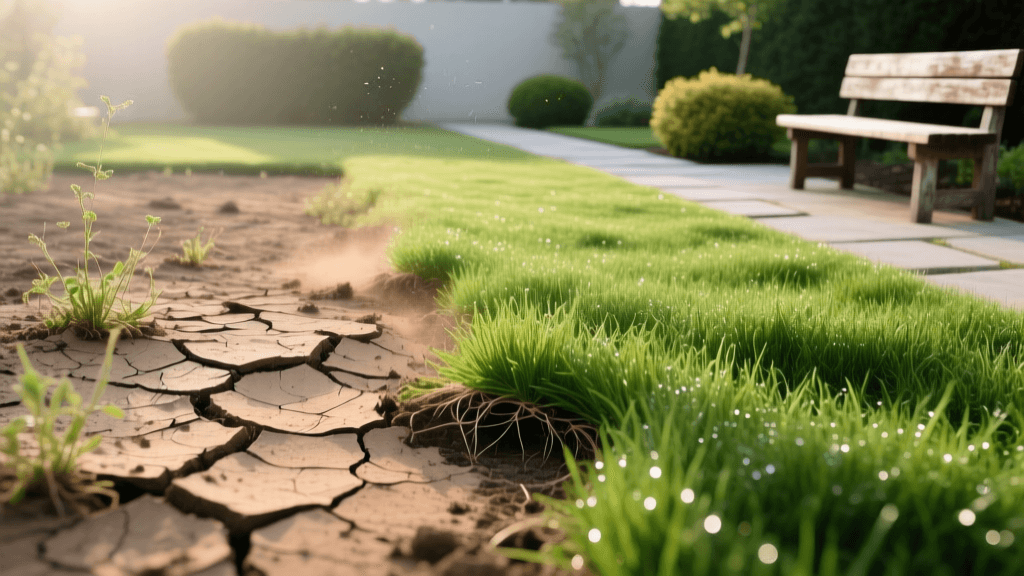
Reviving Dead Clay Lawns: A Before and After Transformation
The 'Before' State: A Compacted Clay Nightmare
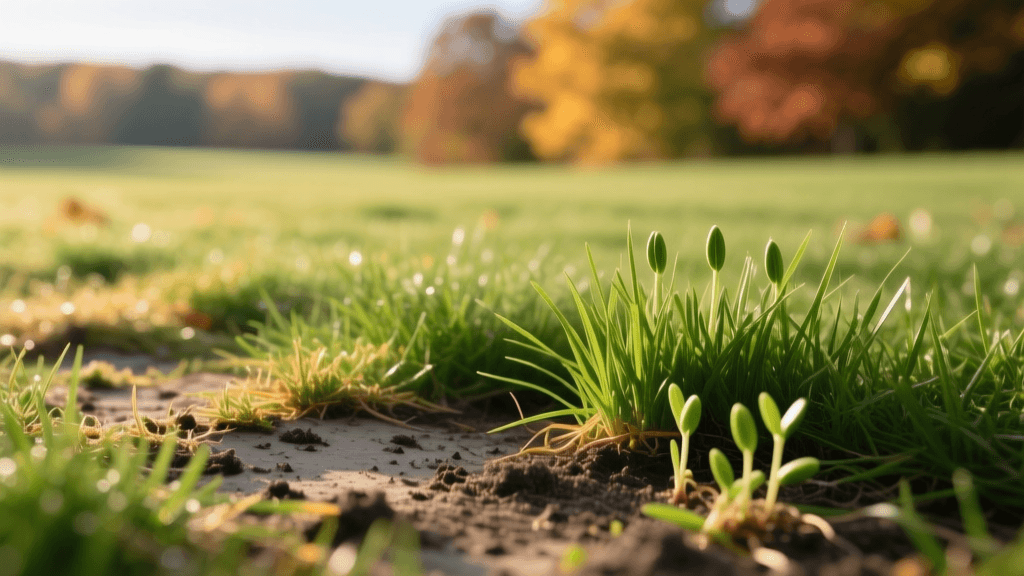
Picture this: it is mid-August, and your backyard looks more like a barren construction site than a place for recreation. The soil is heavy, red clay that bakes into concrete during the summer and turns into a slippery mud pit after a light rain. Water pools on the surface rather than soaking in. Patches of crabgrass, prostrate spurge, and bare dirt dominate the landscape. When you try to push a spade into the ground, it barely penetrates the top inch. This is the classic 'before' state of a neglected, heavily compacted clay lawn.
Many homeowners attempt to fix this by simply throwing down grass seed and fertilizer every spring, only to watch the new grass wither and die by July. The underlying issue is not just a lack of seed; it is a severe lack of soil structure, organic matter, and oxygen. To achieve a true 'after' transformation—a thick, dark green, drought-tolerant carpet of grass—you must completely overhaul the soil ecosystem. In this guide, we will walk through a complete before-and-after renovation of a 5,000-square-foot clay lawn using core aeration, deep compost topdressing, and Turf-Type Tall Fescue (TTTF).
Phase 1: The Assessment and the 'Kill'
Before you can build a lush lawn, you must clear the canvas. According to the University of Minnesota Extension, if your lawn consists of more than 50% weeds or bare dirt, a complete renovation is vastly superior to simple overseeding. Trying to compete with established weeds is a losing battle.
Timing and Herbicide Application
The ideal time to begin a cool-season lawn renovation is mid-to-late August. This timing allows the new grass to establish deep roots before the first hard freeze while avoiding the brutal heat of summer. For our 5,000 sq. ft. transformation, we started on August 15th.
- Step 1: Apply a non-selective herbicide containing 41% glyphosate to the entire lawn area. This will kill existing weeds and poor-quality grass down to the root.
- Step 2: Wait 14 days. Do not rush this step. The existing vegetation must be completely brown and dead. If any green patches remain, spot-treat them and wait another week.
- Step 3: Mow the dead vegetation as short as your mower will allow (around 1.5 inches) and bag the clippings to expose the soil surface.
Phase 2: Core Aeration and Compost Topdressing (The Magic Step)
This is where the true transformation begins. Clay particles are microscopic and bind tightly together, squeezing out the oxygen and water that grass roots desperately need. The University of Wisconsin-Madison Extension emphasizes that core aeration is the most effective mechanical method to relieve soil compaction, improve water infiltration, and enhance fertilizer uptake in heavy soils.
Renting the Right Equipment
Do not use cheap, manual aerator shoes or tow-behind spike aerators; spikes merely punch holes and can actually increase compaction on the sides of the hole. You need a heavy, gas-powered core aerator that pulls actual plugs of soil out of the ground. Rent one from a local hardware store for a day (Cost: approximately $85).
- Water the lawn deeply two days before aerating to soften the clay. If the soil is too dry, the aerator tines will not penetrate.
- Run the aerator over the lawn in two perpendicular directions (a grid pattern) to ensure maximum hole density. Aim for 20 to 40 holes per square foot.
- Leave the extracted soil plugs on the lawn; they will break down and wash back into the holes during the next rain.
The Secret Weapon: Compost Topdressing
Aeration alone is great, but aeration followed by compost topdressing is transformative. We ordered 4 cubic yards of screened municipal leaf compost (Cost: $160 delivered). Using a landscaping rake and a push broom, we spread a 1/2-inch layer of compost over the entire 5,000 sq. ft. area, aggressively working it down into the aeration holes. This immediately introduces millions of beneficial microbes and vital organic matter directly into the clay root zone.
Phase 3: Seeding and Starter Fertilizer
With the soil prepped, it is time to introduce the new grass. For heavy clay soils in the transition zone and northern climates, Turf-Type Tall Fescue (TTTF) is the undisputed champion. The NC State TurfFiles database notes that modern TTTF cultivars feature deep, extensive root systems that excel at breaking up clay and provide exceptional drought and heat tolerance compared to Kentucky Bluegrass or Perennial Ryegrass.
Product Selection and Application Rates
- Seed: We chose a premium TTTF blend (Jonathan Green Black Beauty Ultra). For a complete renovation, the application rate is 8 to 10 lbs per 1,000 sq. ft. We applied 45 lbs of seed across the 5,000 sq. ft. lawn using a broadcast spreader, splitting the application into two perpendicular passes for even coverage.
- Fertilizer: New seedlings need immediate phosphorus for root development. We applied Scotts Turf Builder Starter Food (24-25-4) at the rate specified on the bag for new seeding.
- Seed Cover: To retain moisture and protect the seed from birds, we applied a very thin layer (about 1/8 inch) of Canadian Sphagnum Peat Moss over the seed. Avoid using straw, which often contains weed seeds and can mat down heavily when wet.
Renovation Timeline and Cost Breakdown
Below is the exact budget and timeline for this 5,000 sq. ft. before-and-after clay lawn transformation.
| Phase / Item | Details / Product | Estimated Cost | Timing |
|---|---|---|---|
| Weed Eradication | Glyphosate (41%) concentrate | $25 | Aug 15 |
| Soil Aeration | Gas Core Aerator (1-day rental) | $85 | Aug 29 |
| Soil Amendment | 4 Cubic Yards Screened Compost | $160 | Aug 29 |
| Grass Seed | 45 lbs Premium TTTF Blend | $180 | Aug 30 |
| Starter Fertilizer | High-Phosphorus Starter (24-25-4) | $60 | Aug 30 |
| Seed Cover | 3 Bales Sphagnum Peat Moss | $45 | Aug 30 |
| Total Project Cost | Complete Soil & Turf Overhaul | $555 | 15-Day Span |
Phase 4: The 'After' State and Ongoing Maintenance
The difference between a failed renovation and a stunning 'after' transformation lies entirely in the first 30 days of watering. Grass seed must remain consistently moist to germinate. If the seed dries out even once during the germination window, the sprout will die.
The Germination Watering Schedule
- Weeks 1-3: Water lightly 3 to 4 times a day for 5-10 minutes per zone. The goal is to keep the top 1/2 inch of soil and peat moss damp, not soaking wet. Overwatering will cause seed rot and wash away your topdressing.
- Weeks 4-6: As the grass reaches 2 inches tall and roots establish, reduce watering frequency to once a day, but increase the duration to 20 minutes to encourage deeper root growth into the compost-filled aeration holes.
- Week 8 and Beyond: Transition to a deep, infrequent watering schedule (1 to 1.5 inches of water per week, applied in 1 or 2 sessions).
The First Mow and the Final Result
Wait to mow until the new Tall Fescue reaches about 3.5 to 4 inches in height. Ensure your mower blade is razor-sharp; a dull blade will tear the tender new seedlings right out of the loose compost. Set your mower deck to 3 inches and remove no more than the top 1/3 of the blade.
By late October, the 'after' state was fully realized. The once-barren, puddling clay pit was now a dense, vibrant, dark-green carpet. The deep compost topdressing had permanently altered the topsoil structure, allowing water to infiltrate rapidly rather than running off into the street. The TTTF roots were already pushing deep into the fractured clay, building a lawn that would survive the following summer's drought with minimal supplemental irrigation. By investing in soil structure rather than just throwing seed at a problem, the transformation from dead dirt to a premium lawn was complete.
Common Mistakes to Avoid During Your Transformation
Pro Tip: Never skip the soil test. While compost is universally beneficial, your clay soil may have extreme pH imbalances or lack specific micronutrients. A $30 soil test from a lab like Logan Labs or your local university extension will tell you exactly if you need to apply pelletized lime or sulfur alongside your compost to unlock the full potential of your new lawn.
- Skipping the 'Kill' Phase: If you overseed directly into existing weeds without killing them first, the aggressive weeds will easily outcompete the slow-growing Tall Fescue seedlings for sunlight and nutrients.
- Using Cheap Topsoil: Bagged 'topsoil' from big-box stores is often just sandy fill dirt. Always source screened compost or a specialized lawn topdressing mix rich in organic matter.
- Mowing Too Early: Mowing before the roots have firmly anchored into the compost layer will rip the new grass out by the roots, ruining weeks of careful watering.
Transforming a compacted clay lawn is not an overnight fix, but the before-and-after results of proper aeration, compost amendment, and premium seeding will elevate your property value and provide a beautiful, usable outdoor space for decades to come.