Home & Garden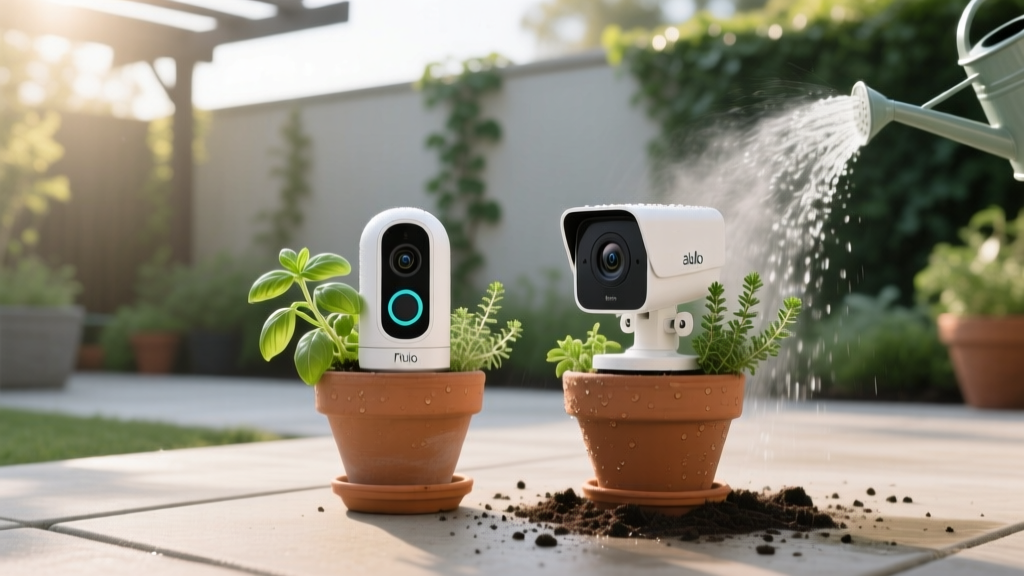
Ring vs Arlo Weatherproof Cameras for Container Gardens 2026
Anna KowalskiPublished
The Intersection of Smart Security and Container Gardening
Container and pot gardening has evolved dramatically from simple terracotta pots on a windowsill to sophisticated, smart-integrated patio ecosystems. As we navigate the 2026 growing season, urban and suburban gardeners are cultivating everything from heirloom tomatoes to dwarf citrus trees in large raised planters, modular fiberglass pots, and balcony rail boxes. However, with high-value container gardens and the expensive outdoor equipment that supports them—such as smart drip irrigation systems, automated grow lights, and rare plant specimens—security is a growing concern. Whether you are protecting a prized Japanese maple from thieves or monitoring your patio setup for package deliveries, outdoor security cameras are essential. But the garden environment is uniquely harsh on electronics, requiring a careful approach to device selection and placement.
Understanding Weatherproofing: IP Ratings in the Garden
When selecting a camera for your patio or balcony garden, standard outdoor ratings are often insufficient. The garden environment introduces variables that standard eaves-mounted cameras never face: acidic fertilizer splashes, high-pressure hose sprays, mud splatter from heavy rains, and constant high humidity. To understand durability, we must look at Ingress Protection (IP) ratings. The National Institute of Standards and Technology (NIST) emphasizes that IoT devices deployed in outdoor environments must meet rigorous environmental standards to prevent premature hardware failure.
An IP65 rating means the camera is protected against low-pressure water jets from any direction. This is perfectly fine for a camera mounted ten feet up under a covered pergola. However, for cameras mounted at pot-level or integrated into planter boxes, an IP66 rating (protection against high-pressure, heavy seas or powerful jets) is vastly superior. When you are washing down your patio or accidentally spraying the camera while watering your hydrangeas, IP66 ensures survival against the elements.
Ring vs. Arlo: 2026 Flagship Camera Comparison
In 2026, the market leaders for consumer outdoor security remain Ring and Arlo. Both have released updated, highly weather-resistant models tailored for modern smart home ecosystems. Let us compare the Ring Spotlight Cam Pro and the Arlo Pro 5S 2K specifically through the lens of a container gardener.
| Feature | Ring Spotlight Cam Pro | Arlo Pro 5S 2K |
|---|---|---|
| Weatherproof Rating | IP65 (Dust tight, low-pressure jets) | IP66 (Dust tight, high-pressure jets) |
| Field of View | 140° Diagonal | 160° Diagonal |
| Night Vision | Color Night Vision with Spotlight | Color Night Vision (Enhanced Low Light) |
| AI Detection | 3D Motion Detection (Radar-assisted) | Advanced AI (Humans, Animals, Vehicles) |
| Smart Home Protocol | Works with Alexa, Matter-supported | Works with Alexa, Google, Matter-supported |
| Estimated 2026 Price | $229.99 | $199.99 |
The Ring Spotlight Cam Pro features 3D Motion Detection, which uses radar to track movement across your patio. This is incredibly useful for large container garden layouts where wind-blown ornamental grasses might trigger standard optical sensors. Ring's IP65 rating is adequate for covered patios, but requires careful placement away from direct hose spray and heavy soil splashback.
Conversely, the Arlo Pro 5S 2K boasts a 160-degree field of view, allowing a single camera to monitor an entire wall of vertical planter pockets or a wide array of raised cedar beds. Arlo's superior color night vision is a boon for gardeners who enjoy evening patio hours or want to monitor nocturnal wildlife interacting with their night-blooming jasmine without washing out the image with a harsh spotlight.
Strategic Mounting: Integrating Cameras with Planters and Trellises
A major challenge in garden security is maintaining the aesthetic of your outdoor oasis. Exposed wires and stark white plastic cameras can clash with the natural beauty of a lush container garden. In 2026, the trend is stealth integration. One highly effective technique is utilizing large, custom-built cedar planter boxes as mounting posts. By embedding a camera mount into the thick wooden corner post of a raised bed, the camera sits at the perfect height to monitor the garden path while remaining shielded from overhead rain.
For balcony gardeners using trellises for climbing plants like clematis or morning glories, mounting the camera on the upper crossbeam provides a top-down view of the pots below. However, vine creep is a genuine threat to camera functionality. As noted by horticultural experts at Penn State Extension, vigorous container plants require regular maintenance and pruning. You must routinely trim back foliage that attempts to wrap around the camera housing, as leaves resting against the lens will trigger constant false motion alerts and ruin night vision by reflecting infrared light back into the sensor.
Watering Routines, Fertilizers, and Camera Longevity
How you water your container garden directly impacts the lifespan of your security equipment. Overhead watering with a traditional spray nozzle is the enemy of outdoor electronics. Even with an IP66 rating, repeated blasts of hard water will leave mineral deposits on the camera lens, clouding the 2K resolution and rendering the footage useless. To combat this, transition your container garden to a smart drip irrigation system. Drip lines deliver water directly to the soil base of your potted plants, eliminating splashback and keeping the ambient humidity around the camera lower.
Beyond water, container gardeners frequently use liquid fertilizers, fish emulsion, and compost teas. These organic and synthetic compounds can be highly corrosive to plastics and metals. If you are mixing fertilizers near your camera mounting station, ensure that aerosolized nutrients do not settle on the camera housing. Over time, acidic fertilizers can degrade the rubber weather-seals that protect the internal battery and motherboard. Wiping down the camera housing with a damp cloth after heavy fertilization days is a simple maintenance step that extends the life of your investment.
AI Detection: Porch Pirates vs. Garden Pests
Container gardens attract wildlife. Raccoons digging for grubs in your potting soil, deer nibbling on your patio hostas, and neighborhood cats using your raised beds as litter boxes are common frustrations. Modern AI detection in 2026 cameras allows you to filter these events seamlessly. Arlo's advanced AI can differentiate between animals, vehicles, and humans. You can set up Activity Zones that cover your prized bonsai collection, receiving an alert only if a human enters that specific zone, while ignoring the squirrel running across the planter rim.
Ring's Bird's Eye View provides a top-down map of your patio, allowing you to see exactly where a delivery driver walked in relation to your fragile terracotta pots, ensuring they didn't accidentally knock over your prized arrangements while dropping off a package. This spatial awareness is critical for gardeners who use their patio space for both living and delicate horticulture.
Smart Home Integration and Privacy
The true power of a 2026 smart garden lies in integration via the Matter protocol. You can link your outdoor camera to your smart irrigation valves and lighting. For example, if the camera detects human motion in the garden bed at 2:00 AM, it can trigger your smart patio floodlights and temporarily pause the scheduled drip irrigation to avoid watering a potential intruder—or a very confused deer. This level of automation bridges the gap between home security and landscape management.
However, with increased connectivity comes the need for vigilance regarding data privacy. The Federal Trade Commission strongly recommends securing all smart home devices with unique passwords, enabling two-factor authentication, and ensuring your home Wi-Fi network is segregated for IoT devices. By placing your garden cameras on a dedicated guest network, you protect your primary home computers from potential vulnerabilities while keeping a watchful, weatherproof eye over your beautiful, thriving container garden.
