Lawn Care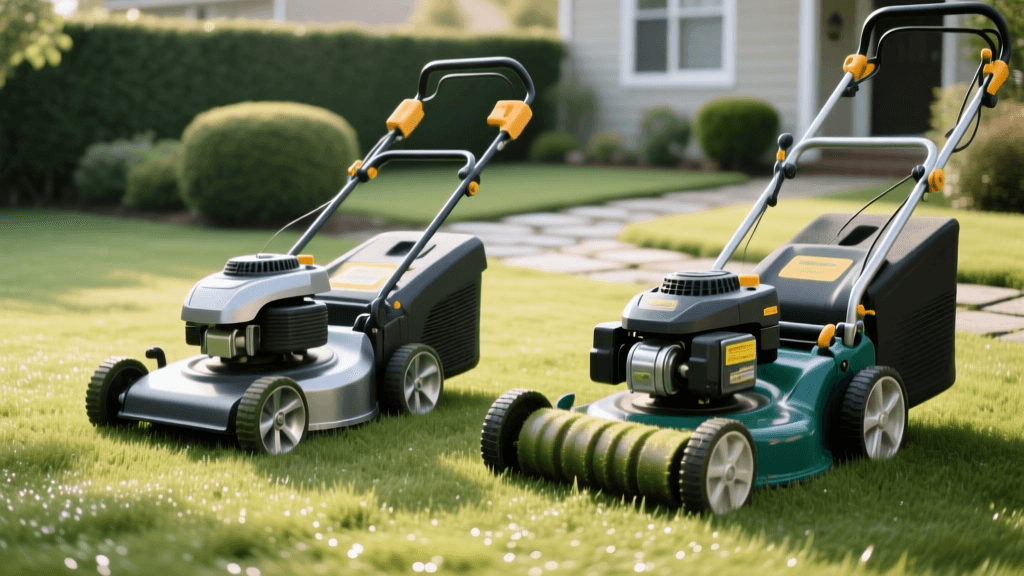
Rotary vs. Reel Mowers: The Ultimate Equipment Guide
Introduction to Lawn Mowing Equipment
Selecting the proper mowing equipment is arguably the most critical decision a homeowner or turf manager will make for their lawn care routine. Mowing is not merely about reducing the height of the grass; it is a fundamental horticultural practice that directly influences root depth, drought tolerance, weed suppression, and overall turf density. According to turfgrass scientists, the type of cut delivered by your mower can either promote vigorous growth or leave the grass vulnerable to disease and environmental stress. When navigating the aisles of a garden center or browsing online equipment guides, the debate almost always narrows down to two primary categories: rotary mowers and reel mowers. Both designs have distinct mechanical advantages, ideal use cases, and specific maintenance requirements. This comprehensive tools and equipment guide will break down the engineering, practical applications, and long-term costs of rotary versus reel mowers, ensuring you invest in the exact machinery your lawn needs to thrive.
Understanding Rotary Mowers
Rotary mowers dominate the residential lawn care market, accounting for the vast majority of mowers found in suburban garages. The mechanics of a rotary mower are relatively straightforward: a single, horizontally oriented blade spins at high speeds (typically between 2,800 and 3,200 RPM) beneath a protective deck. As the blade spins, it creates an aerodynamic lift or vacuum effect that stands the grass blades upright before slicing them off. This high-impact cutting method is highly effective for tackling overgrown lawns, uneven terrain, and thick, broadleaf weeds that might jam other types of equipment.
Pros and Cons of Rotary Mowers
The primary advantage of the rotary mower is its versatility and forgiveness. If your yard has slight undulations, exposed tree roots, or scattered debris like small twigs and acorns, a rotary mower will generally handle these obstacles without sustaining severe damage. Furthermore, the high-velocity airflow generated by the blade makes rotary mowers exceptional for bagging clippings or mulching them finely back into the turf canopy. However, the high-speed impact cut can sometimes bruise or tear the grass tips, especially if the blade is dull. This tearing leaves a ragged edge that turns brown and increases the lawn susceptibility to fungal pathogens.
Understanding Reel Mowers
Reel mowers operate on a completely different mechanical principle. Instead of a single high-speed horizontal blade, a reel mower features a cylinder (the reel) containing multiple helical blades that spin vertically against a fixed horizontal blade known as the bedknife. This interaction creates a precise scissor-cutting action. As the mower is pushed forward, the grass is caught between the spinning reel blades and the stationary bedknife, shearing it cleanly. This design is the gold standard for professional sports fields, golf courses, and meticulously maintained ornamental lawns.
Pros and Cons of Reel Mowers
The scissor-cut of a reel mower leaves a pristine, sealed edge on the grass blade, which retains moisture better and heals rapidly, drastically reducing the risk of turf diseases. Reel mowers are also significantly quieter and, in their manual push forms, entirely emission-free. On the downside, reel mowers are highly unforgiving of uneven terrain. If the ground is bumpy, the reel will scalp the high spots and miss the low spots entirely. They also struggle with tall, overgrown grass and thick weeds, which can wrap around the cylinder and stall the machine.
Feature Comparison Chart
| Feature | Rotary Mower | Reel Mower |
|---|---|---|
| Cutting Action | High-speed horizontal impact | Vertical scissor-cut |
| Ideal Grass Height | 1.5 to 4.0 inches | 0.125 to 1.5 inches |
| Terrain Tolerance | High (handles bumps and slopes) | Low (requires flat, even surfaces) |
| Clipping Management | Excellent bagging and mulching | Poor bagging; drops clippings directly |
| Maintenance Focus | Blade sharpening and balancing | Bedknife adjustment and backlapping |
| Average Residential Cost | $250 - $800 | $120 (manual) - $1,500 (motorized) |
Matching the Mower to Your Grass Type
The most critical factor in choosing between a rotary and a reel mower is the specific species of turfgrass you are growing. According to research and guidelines published by Penn State Extension, maintaining the correct mowing height for your specific grass type is essential for promoting deep root systems and shading out weed seeds.
Best Grasses for Rotary Mowers
Rotary mowers are engineered to cut at higher settings, typically ranging from 1.5 inches to over 4.0 inches. This makes them the mandatory choice for cool-season grasses like Tall Fescue, Kentucky Bluegrass, and Perennial Ryegrass, which thrive when kept at 2.5 to 3.5 inches. They are also ideal for warm-season grasses that prefer higher cuts, such as St. Augustinegrass and Bahiagrass. The lift generated by the rotary blade is necessary to cut through the thick, spongy stolons and broad blades characteristic of these species.
Best Grasses for Reel Mowers
Reel mowers excel at low mowing heights, often cutting as low as 0.125 inches (an eighth of an inch). This makes them the superior equipment choice for warm-season grasses that spread via rhizomes and stolons and tolerate aggressive, low mowing. Bermudagrass, Zoysiagrass, and Seashore Paspalum are prime candidates for reel mowers. In fact, to achieve the dense, carpet-like appearance that hybrid Bermudagrass is famous for, a reel mower is practically a requirement. The Environmental Protection Agency (EPA) also highlights that maintaining healthy, dense turf through proper cultural practices like precise mowing reduces the need for chemical herbicides and fertilizers, a goal easily achieved with the superior cut of a reel mower on appropriate grass types.
Maintenance and Upkeep Requirements
Owning the right equipment is only half the battle; maintaining it is where many homeowners falter. The maintenance routines for rotary and reel mowers require different tools, skills, and time commitments.
Rotary Mower Maintenance
The primary maintenance task for a rotary mower is blade care. Because the blade relies on impact and suction, a dull blade will tear the grass and strain the mower engine. Homeowners should inspect the blade monthly and sharpen it using a metal file or bench grinder, maintaining the original 30 to 45-degree bevel angle. Crucially, the blade must be balanced after sharpening to prevent severe vibrations that can destroy the mower crankshaft bearings. Balancing is easily done using a simple cone-shaped blade balancer available at any hardware store for under ten dollars.
Reel Mower Maintenance
Reel mower maintenance is more technical but less physically demanding. The cutting action relies on the precise contact between the spinning reel and the bedknife. Over time, this contact degrades. Instead of removing the blades to grind them, reel mowers are maintained through a process called backlapping. This involves applying a specialized abrasive valve-grinding compound to the blades and spinning the reel backward (using a drill or a manual crank). The friction between the reel and the bedknife hones both surfaces simultaneously, restoring the razor-sharp scissor action. While backlapping can be done at home, it requires patience and a careful touch to avoid damaging the cylinder.
Environmental Impact and Noise Considerations
For eco-conscious gardeners, the environmental footprint of lawn equipment is a growing concern. Traditional gas-powered rotary mowers are notorious for their emissions and noise pollution. While modern engines have improved, they still contribute significantly to localized smog and carbon footprints. Battery-electric rotary mowers have bridged this gap, offering the high-lift cutting power of a rotary design with zero direct emissions and vastly reduced decibel levels.
Manual push reel mowers, on the other hand, represent the pinnacle of sustainable lawn care. They require no electricity, produce zero emissions, and operate at a whisper-quiet volume, allowing you to mow early in the morning or late in the evening without violating local noise ordinances or disturbing neighbors. For small, flat urban lawns under 2,500 square feet, a manual reel mower is an unparalleled, eco-friendly investment.
Cost Analysis and Budgeting
When budgeting for lawn care tools, it is important to look beyond the initial purchase price and consider the total cost of ownership. A standard gas-powered rotary mower from a reputable brand will typically cost between $350 and $600. Annual maintenance, including oil changes, air filters, spark plugs, and fuel, adds roughly $40 to $60 per year.
A high-quality manual push reel mower costs between $120 and $200 upfront, with virtually zero ongoing operational costs. However, if you require a motorized reel mower for a larger property with Bermudagrass, the price jumps significantly. Residential motorized reel mowers generally range from $1,200 to $2,000. Furthermore, professional sharpening or bedknife replacement for motorized reels can cost upwards of $150 per service, making them a premium investment reserved for turfgrass enthusiasts and professionals.
Final Verdict: Which Mower Should You Buy?
The decision between a rotary and a reel mower ultimately hinges on your grass species, yard topography, and personal lawn care philosophy. If you are managing a cool-season lawn like Tall Fescue or Kentucky Bluegrass, or if your yard features slopes, tree roots, and uneven terrain, a high-quality rotary mower—preferably a modern lithium-ion battery model—is your best and most practical choice. It offers the lift, mulching capability, and terrain forgiveness required to keep these grasses healthy and attractive.
Conversely, if you are cultivating a premium warm-season lawn of hybrid Bermudagrass or Zoysiagrass on a flat, meticulously prepared surface, and you desire a golf-course-quality carpet cut, a reel mower is mandatory. The scissor-cut will maximize turf density, improve drought resistance, and elevate the aesthetic of your landscape to a professional standard. By aligning your equipment purchase with the specific biological needs of your turfgrass, you ensure a healthier, more resilient lawn for years to come.