Home & Garden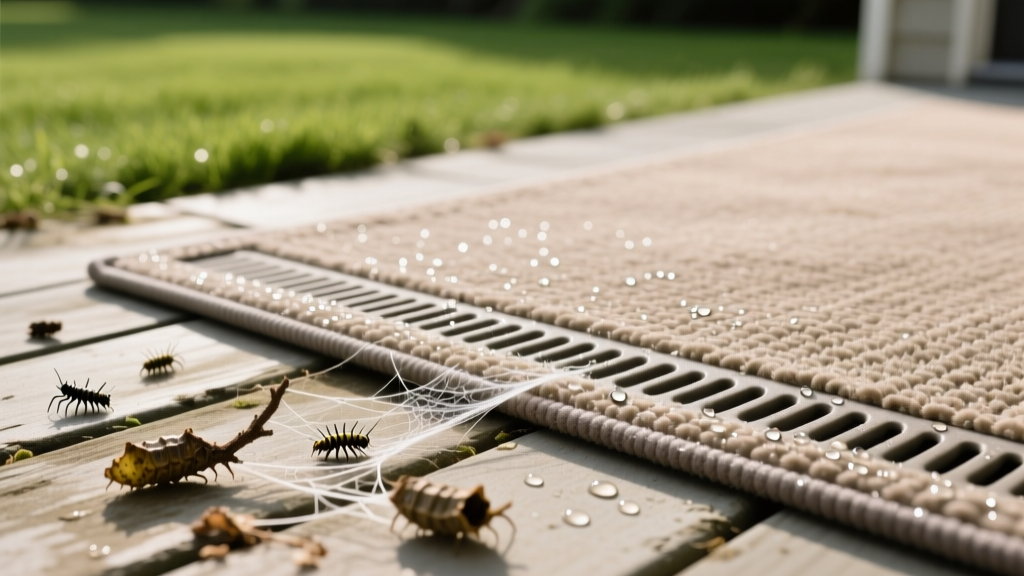
Best Outdoor Rug Pads for Drainage and Webworms 2026
Sarah ChenPublished
The Intersection of Patio Decor and Canopy Pests
As homeowners continue to blur the lines between indoor comfort and outdoor living in 2026, the patio has become a true extension of the home. Lush outdoor rugs are a staple of this design trend, anchoring seating areas and adding warmth to hardscapes. However, if your outdoor oasis is situated beneath the canopy of pecan, cherry, mulberry, or ash trees, you are likely familiar with one of nature's most prolific mess-makers: the fall webworm (Hyphantria cunea).
While tree webworm control usually focuses on the health of the canopy, the fallout from these pests directly impacts your ground-level decor. Webworms drop massive amounts of frass (excrement), decaying leaf litter, and sticky silk threads. When this debris lands on an outdoor rug without proper drainage, it mixes with rain and irrigation to form an acidic, staining sludge. Choosing the right outdoor rug pad for drainage on concrete versus a wood deck surface is no longer just about comfort; it is a critical component of integrated pest management and patio preservation.
Understanding the Fall Webworm Threat to Outdoor Rugs
According to Penn State Extension, fall webworms are notorious for constructing large, unsightly silk tents over the branches of deciduous trees in late summer and early fall. While the caterpillars themselves remain in the canopy, gravity pulls their waste down to your patio.
Webworm frass is highly acidic and rich in tannins from the digested leaves. When trapped beneath a solid, non-breathable rug pad, this frass creates a dark, damp environment that breeds mold and permanently stains both the rug fibers and the surface beneath it. Furthermore, the silk threads act like a net, catching additional dirt and pollen, which clogs the weave of your outdoor rug. In 2026, the most effective way to combat this ground-level mess is by utilizing high-clearance, antimicrobial rug pads that allow for rapid drainage and easy power-washing.
Concrete Patios vs. Wood Decks: The Drainage Dilemma
The surface beneath your rug dictates the type of pad you need, especially when dealing with organic pest debris.
Concrete Surfaces
Concrete is porous and highly susceptible to acid etching and tannin staining from webworm frass. If you use a solid rubber or felt pad on concrete, moisture and frass become trapped, essentially creating a slow-acting acid bath that will eat into your patio sealer and leave dark, organic stains. For concrete, you need a pad with deep drainage channels that elevate the rug at least 1/4 inch off the ground, allowing you to flush the webworm debris away with a garden hose without lifting the entire rug.
Wood and Composite Decks
Wood decks (and modern composite alternatives like Trex or TimberTech) face a different threat: rot and mildew. Trapped moisture from a poorly draining rug pad will cause pressure-treated pine to warp and rot. While composite decking resists rot, it is highly prone to surface mold when covered by damp, debris-laden rugs. However, you cannot use aggressive, hard plastic grid pads on composite or wood decks, as the friction and hard edges will scratch the finish. You need a pad that offers airflow but features a soft, non-abrasive underside.
Evaluating 2026 Rug Pad Materials for Webworm Zones
The outdoor rug pad market has evolved significantly to address moisture and organic debris management. Here is how the top materials perform in tree webworm zones this year.
1. PVC and Vinyl Grid Pads
PVC grid pads are the undisputed champions for concrete patios situated under webworm-infested trees. The open-grid design allows frass and rainwater to pass straight through. In 2026, many premium PVC pads feature antimicrobial coatings that inhibit mold growth, which is essential when dealing with the organic matter left behind by caterpillars. They are lightweight, making it easy to roll back the rug and blast the concrete with a power washer to remove sticky silk and frass.
2. Recycled Rubber with Drainage Holes
New formulations of recycled rubber pads now feature perforated drainage holes and raised nubs. These are excellent for wood decks because the rubber is soft enough not to scratch the wood or composite finish, while the raised nubs promote airflow. However, rubber can sometimes trap fine webworm frass in its pores, requiring more frequent manual scrubbing compared to smooth PVC.
3. Polyester and Vinyl Felt
While felt pads provide excellent cushioning and protect delicate deck surfaces from scratching, they are the worst choice for webworm zones. Felt acts like a sponge, absorbing the acidic frass sludge and holding moisture directly against your deck. Avoid felt pads entirely if your patio is beneath a host tree.
Material Comparison Chart for Webworm Debris Management
| Pad Material | Best Surface | Webworm Debris Drainage | Mold Resistance | 2026 Avg Cost (5x8) |
|---|---|---|---|---|
| PVC Open Grid | Concrete / Stone | Excellent (Flushable) | High (Antimicrobial) | $45 - $65 |
| Perforated Rubber | Wood / Composite Decks | Good (Requires lifting) | Medium | $70 - $95 |
| Polyester Felt | Indoor / Covered Porches | Poor (Traps sludge) | Low (Absorbs moisture) | $50 - $80 |
| Woven Polypropylene | Concrete / Decks | Moderate | Medium-High | $35 - $55 |
Step-by-Step Cleanup and Canopy Control
Managing the patio floor is only half the battle. To truly protect your outdoor living space, you must pair the right rug pad with proactive tree webworm control and a strict cleaning routine.
1. Canopy Treatment with Bt
The most effective, eco-friendly way to stop webworm frass from reaching your rug is to treat the tree canopy early. According to the University of Minnesota Extension, applying Bacillus thuringiensis var. kurstaki (Bt) is highly effective against young webworm caterpillars. Bt is a naturally occurring soil bacterium that targets the digestive system of caterpillars but is completely safe for humans, pets, and beneficial pollinators. Spray the canopy in early summer when the webs are still small and the caterpillars are young. Once the caterpillars die, the frass fallout will cease, keeping your rug pad clean.
2. The Weekly Hose-Down Routine
If you are using a PVC grid pad on concrete, you do not need to move the rug every time it rains. Simply use a garden hose with a high-pressure nozzle to spray water directly through the rug weave. The water will push the loose webworm silk and frass through the grid channels and off the edge of the concrete.
3. Monthly Deep Cleaning for Decks
If you are using a perforated rubber pad on a composite or wood deck, you must lift the rug once a month during peak webworm season (August through October). Sweep the deck to remove dry frass and leaf litter, then wash the rug pad with a mild, oxygen-based bleach solution. This breaks down the tannins in the webworm waste and prevents dark organic stains from setting into your decking material.
Pre-Treatment: Sealing Your Concrete
If your concrete patio is unsealed, no rug pad will save it from the acidic staining of webworm frass. Before laying down your outdoor rug and PVC grid pad, apply a high-quality, penetrating silane-siloxane concrete sealer. Unlike topical sealers that create a glossy, slippery film, penetrating sealers react chemically with the concrete to form a hydrophobic barrier beneath the surface. This prevents the acidic webworm sludge from penetrating the pores of the concrete, allowing you to easily rinse it away through your rug pad's drainage channels.
Final Thoughts on Integrated Patio Management
In 2026, creating a beautiful outdoor living space requires looking up as well as looking down. Tree webworms are a natural part of the ecosystem, and while they rarely cause long-term harm to mature trees, their messy fallout can wreak havoc on expensive outdoor decor. By understanding the unique drainage requirements of your specific patio surface—opting for elevated PVC grids on concrete and soft, perforated rubber on wood decks—you can enjoy a lush, comfortable outdoor rug without falling victim to mold, rot, and frass stains. Pair this smart hardscape strategy with targeted Bt canopy treatments, and your patio will remain a pristine sanctuary from the ground up.
